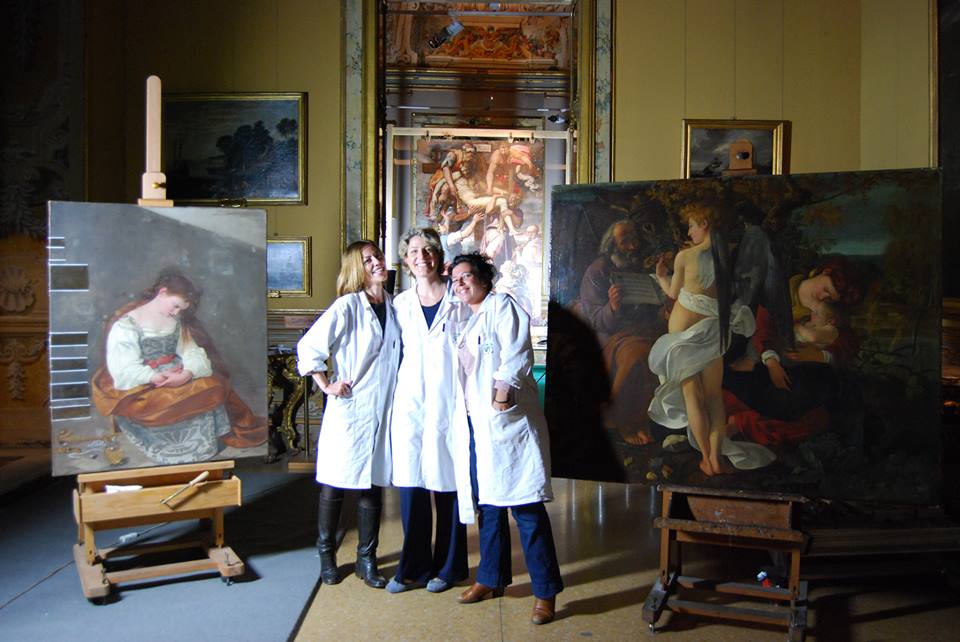
Presented in January 2019, the Verderame association demonstrates a model for sustaining Italian art conservation through private investment. Founded in Rome in 2012 by Giulia Silvia Ghia—a graduate in art history from the Istituto Centrale del Restauro—the organization connects individual donors, companies, and foundations with artworks requiring restoration and conservation support.
Verderame emerged within a specific legislative context. The 2011 Salva Italia decree introduced tax deductions for cultural donations, while the 2014 law introducing Art Bonus created a 65 percent tax credit for patronage of cultural heritage, subsequently made permanent by the 2016 stability law. By 2012, Italy’s art restoration sector faced a critical shortage: large restoration projects had become rare, superintendencies reduced investment, and routine maintenance had ceased. Intervention occurred only when works were severely damaged.
Early Projects and Expansion
Verderame’s inaugural project involved public restoration of two works at Palazzo Doria Pamphilj: Caravaggio’s Magdalen and Giorgio Vasari’s Deposition, funded by the Italian tobacco federation. Subsequent projects expanded the donor base to include banking foundations, cooperative credit institutions, and Spanish distributor Logista Italia. A 2014-2015 initiative in Pescocostanzo restored three works in the Church of Gesù e Maria, including Massimo Stanzione’s Virgin with Lapis Lazuli Mantle, raising 90,000 euros from banking foundations and Italian emigrants in Australia.
Ongoing and Future Initiatives
Current projects include restoration of Gian Domenico Cerrini’s Assumption of the Virgin (1600s) in the Church of Santa Maria in Vallicella, funded by 29,000 euros from the Italian tobacco federation, and Giandomenico Romanelli’s altarpiece in San Giacomo alla Lungara, funded by 20,000 euros from Logista. The latter incorporates inmates from Regina Coeli prison into the restoration process to foster appreciation of art and vocational training. Two additional major projects under development include Pietro da Cortona’s 15-canvas Cycle of Human Salvation (created for the 1700 Jubilee) and his 4-by-9-meter altarpiece at Sant’Ivo alla Sapienza, the sole decorative element in Borromini’s church.
The organization typically requires approximately two years from identifying a work and securing financing to beginning restoration. A recent expansion includes establishing International Friends Verderame in the United States, targeting American donors who benefit from 100 percent tax deductions on donations under U.S. tax law.
Explore more: 509 heritage places in Roma
Frequently asked questions
What is the Art Bonus tax credit?
Art Bonus is a 65 percent tax credit introduced by Italian law in 2014 to support patronage of cultural heritage, made permanent by the 2016 stability law.
How does Verderame identify and fund restoration projects?
The organization identifies artworks requiring restoration, locates financiers through direct outreach and its platform, obtains necessary authorizations, and oversees a restoration process typically lasting about two years.
Who funds Verderame’s restoration projects?
Funding comes from individual donors, banking foundations, cooperative banks, corporate sponsors like Logista Italia and the Italian tobacco federation, and citizens abroad.