
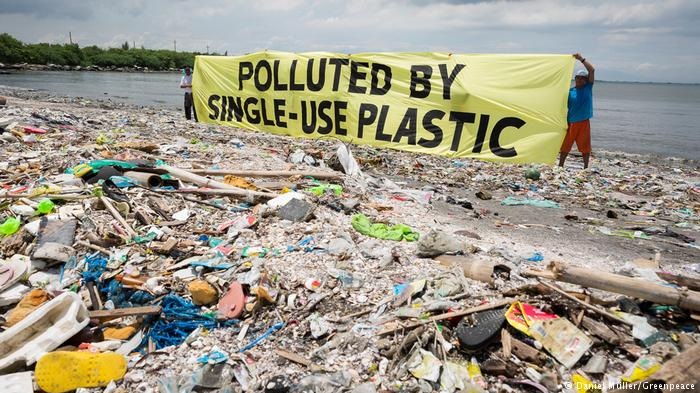
The European Parliament voted in November 2018 to ban certain single-use plastic products across Europe starting in 2021. The measure received 571 votes in favor, 53 against, and 34 abstentions from members of Parliament, who confirmed support for the European Commission’s proposal and expanded the banned list.
Products targeted by the ban
Beginning in 2021, the sale of single-use plastic items including cutlery, cotton swabs, plates, straws, drink stirrers, and balloon sticks will be prohibited across Europe. The Parliament also added oxo-degradable plastics such as bags and packaging, as well as expanded polystyrene food containers to the restricted list. These products represent 70 percent of all marine waste found on European beaches.
The Parliament will now enter negotiations with the European Council once member states establish their common position on the directive.
Reduction targets and extended measures
Over 80 percent of marine waste consists of plastic according to the European Commission. Member states must reduce consumption of single-use plastics for which no alternatives currently exist—such as takeaway hamburger boxes and food containers for fruit, vegetables, desserts, and ice cream—by 25 percent by 2025.
Beverage bottles must be collected separately and recycled at a rate of 90 percent by 2025. Cigarette filters, which are the second most common single-use plastic item found in marine waste, face specific targets: a 50 percent reduction by 2025 and an 80 percent reduction by 2030. A single cigarette butt can contaminate between 500 and 1,000 liters of water and takes up to twelve years to disintegrate.
Abandoned or lost fishing gear—nets, fishing line, and rope—represents 27 percent of waste found on European beaches. Member states must ensure at least 50 percent of such equipment is collected annually, with a minimum recycling target of 15 percent by 2025.
Producer responsibility
Tobacco manufacturers will bear the costs of collecting waste from their products, including transport, treatment, and cleanup. Producers of plastic fishing gear must also contribute to meeting recycling targets. Member states are required to develop national plans promoting reusable products, reuse, and recycling.
Frequently asked questions
Which products will be banned from 2021?
Single-use plastic items including cutlery, straws, plates, cotton swabs, drink stirrers, balloon sticks, oxo-degradable plastics, and expanded polystyrene food containers will be prohibited.
What are the recycling targets for beverages?
Beverage bottles must be collected separately and recycled at 90 percent by 2025.
Who pays for collecting fishing gear and cigarette waste?
Producers of tobacco products and plastic fishing equipment must bear the costs of waste collection, transport, treatment, and contribute to recycling targets.
