
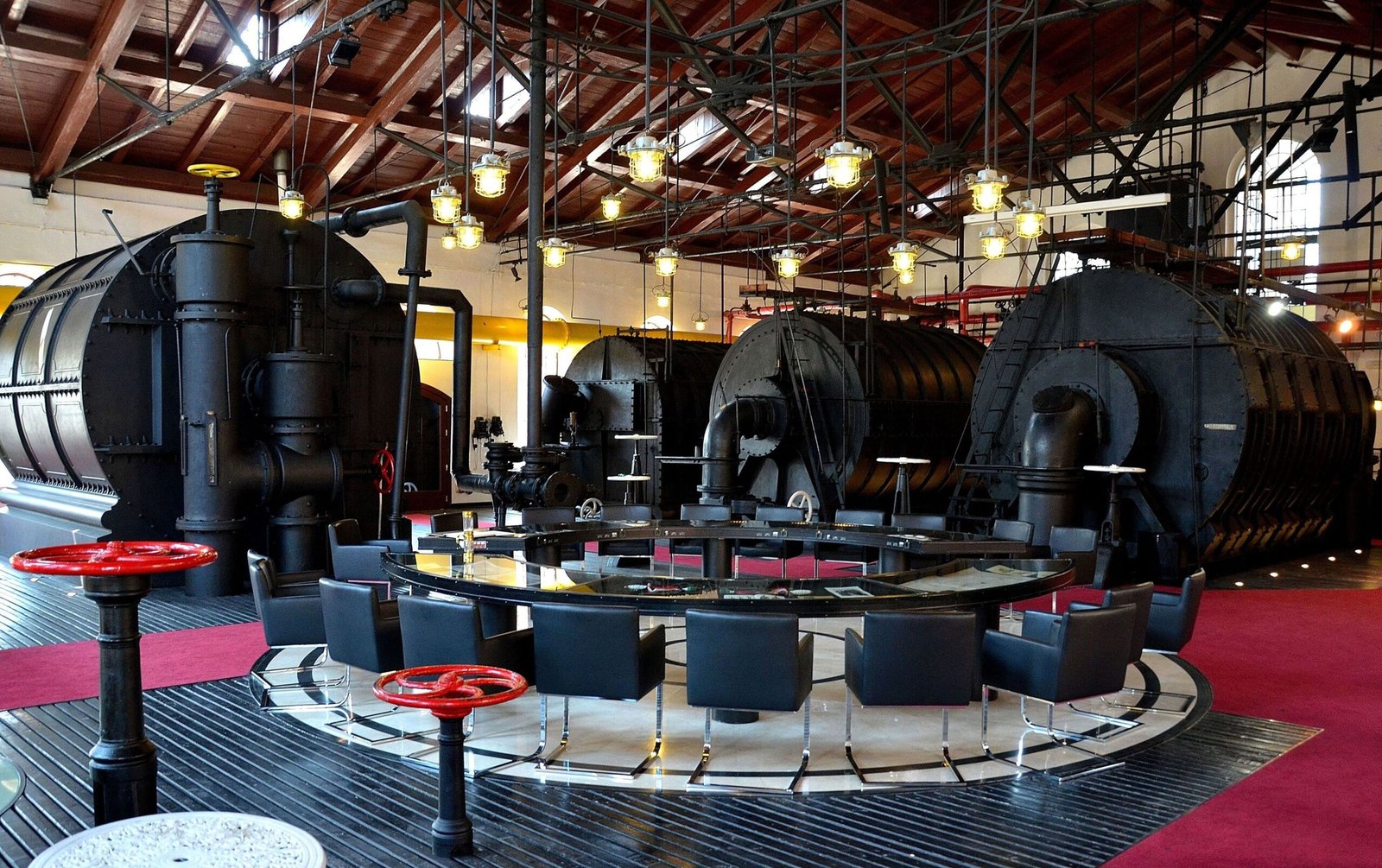
Housed in a former gas factory, this museum preserves the industrial heritage of Warsaw’s 19th-century energy infrastructure through machinery, lighting fixtures, and archival documents.
At a glance
The Warsaw Gasworks Museum occupies the complex of the Wola Gas Factory, a purpose-built industrial site from the 1880s. The museum opened to the public in 1977, transforming a working utility plant into a repository of Warsaw’s technological past.
History
The Wola Gas Factory was constructed between 1886 and 1888 to serve Warsaw’s growing demand for gas lighting and heating. The facility operated as a functional gasworks for nearly a century before its conversion into a museum, preserving an important chapter of the city’s industrial development.
What you see
The museum displays production and metering machinery that once powered Warsaw’s gas supply. Visitors encounter gas lamps spanning the 19th and 20th centuries, arranged to illustrate the evolution of domestic and street lighting technology. The building itself reflects late 19th-century industrial architecture.
Cultural significance
The museum documents a critical but often-overlooked aspect of urban development: the infrastructure that enabled modern city life. The Warsaw Gas Company’s history, recorded in the museum’s archival collection, reveals how gas systems shaped Warsaw’s growth and domestic practices before electrification.
Key facts
- Location: Warsaw, Poland
- Original construction: 1886–1888
- Museum opened: 1977
- Coordinates: 52.22805556, 20.96472222
Practical information & getting there
The museum is located in the Wola district of Warsaw. For current opening hours, admission fees, and guided tour availability, consult the museum’s official website or contact Warsaw’s tourism information services.
Sources & resources
Find it on the map
See this place and what’s around it →📷 Become a Cultural Heritage Online photographer
Share your photos of places: they stay published under your name as the author. The more they're seen, the more you get noticed — and soon a contest will reward the most appreciated photos.
Log in or sign up free to add a photoIs this page about you?
This page is read by travellers and heritage enthusiasts who find it on Google. Tell us how you are connected to this place and we will take it from there.