
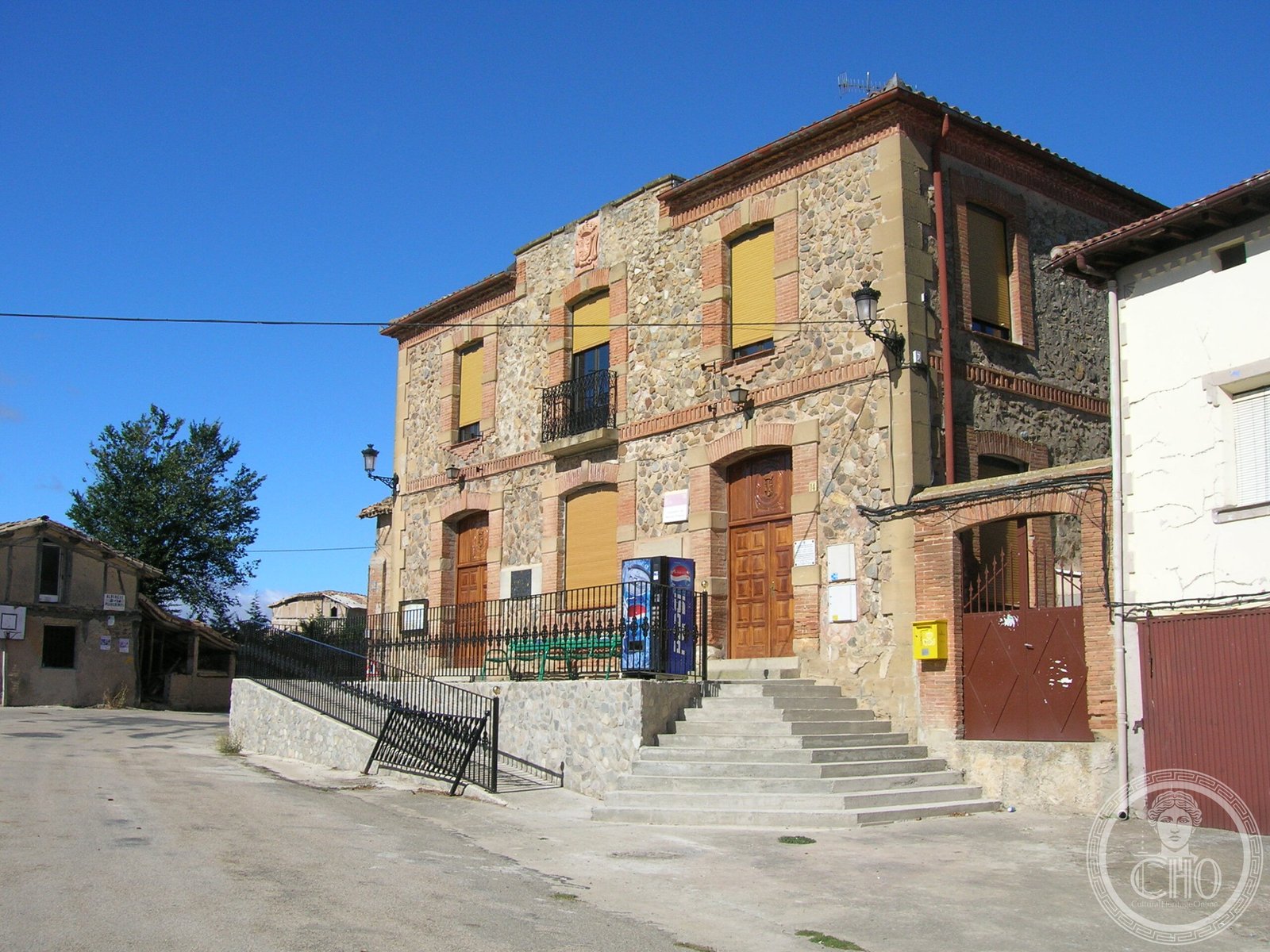
A small Castilian municipality best known as the birthplace of Saint Dominic de la Calzada, the 11th-century hermit and road-builder who became venerated across medieval Christendom.
At a glance
Viloria de Rioja is a quiet rural municipality in the province of Burgos, in the autonomous community of Castile and León. Today it is home to fewer than fifty inhabitants, yet its modest size belies its historical significance in the story of the Camino de Santiago pilgrimage route.
History
Saint Dominic de la Calzada was born in this village in 1019. He devoted his life to improving conditions for pilgrims traveling the road to Santiago de Compostela, constructing bridges and clearing pathways through difficult terrain. His works earned him sainthood and made Viloria de Rioja a place of pilgrimage itself.
Cultural significance
The village’s primary claim to historical importance rests on its connection to Saint Dominic, whose efforts to support pilgrims profoundly shaped medieval travel and infrastructure in northern Spain. His legacy remains integral to understanding the development of the Camino de Santiago.
Key facts
- Location: Province of Burgos, Castile and León, Spain
- Coordinates: 42.43°N, 3.10°W
- Population (2014): 41 inhabitants
- Historical significance: Birthplace of Saint Dominic de la Calzada (born 1019)
Practical information & getting there
Viloria de Rioja is accessible by road from Burgos. As a very small municipality, visitor facilities are minimal; nearby towns offer more services. The village lies along pilgrimage routes associated with the Camino de Santiago.
Sources & resources
Find it on the map
See this place and what’s around it →📷 Become a Cultural Heritage Online photographer
Share your photos of places: they stay published under your name as the author. The more they're seen, the more you get noticed — and soon a contest will reward the most appreciated photos.
Log in or sign up free to add a photoIs this page about you?
This page is read by travellers and heritage enthusiasts who find it on Google. Tell us how you are connected to this place and we will take it from there.