
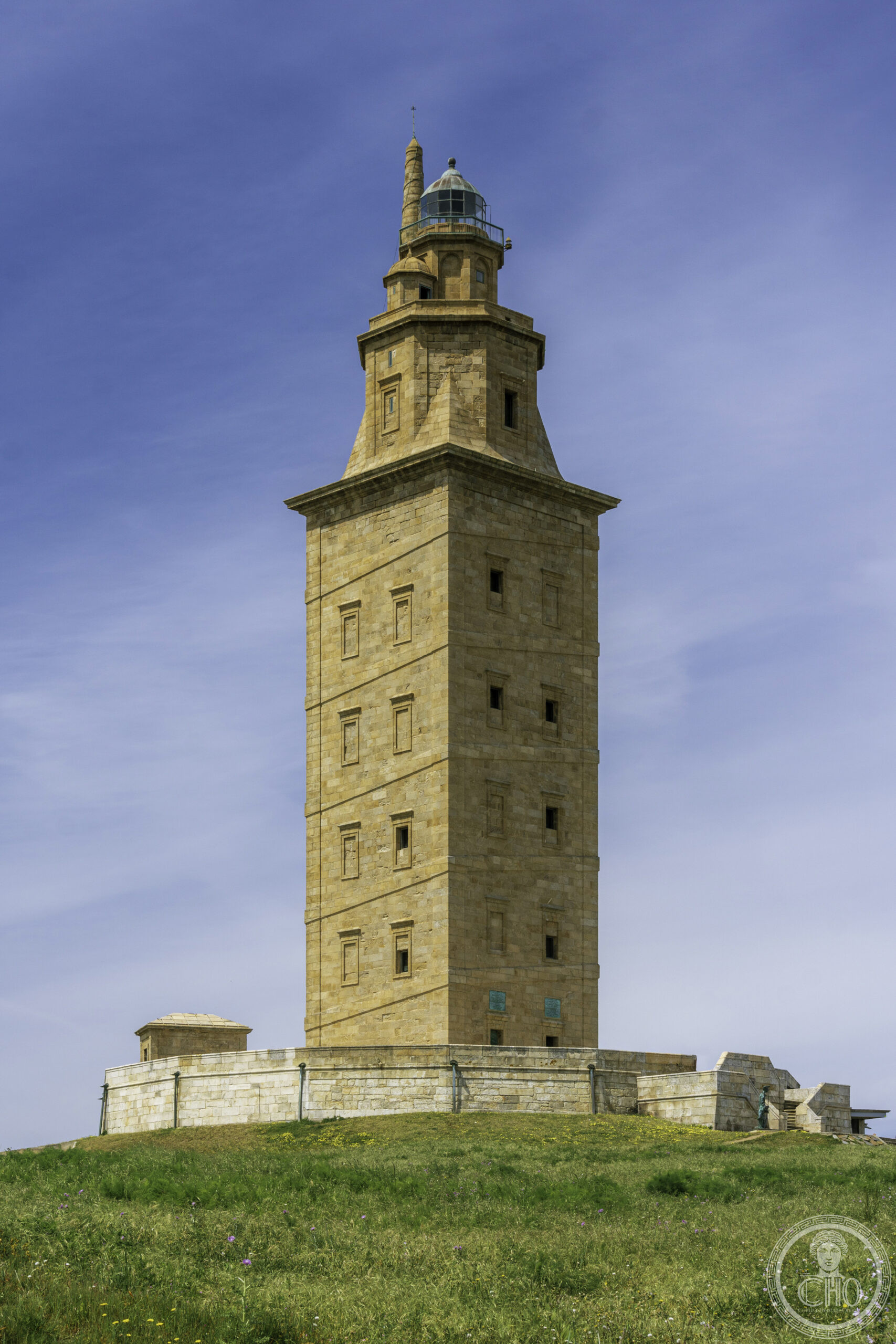
The oldest known extant Roman lighthouse stands on the Galician coast, its 55-metre silhouette a testament to nearly two millennia of seafaring tradition and imperial engineering.
At a glance
This Roman lighthouse, built in the 1st century, rises 55 metres above a peninsula 2.4 km northwest of A Coruña’s centre. Its name derives from Farum Brigantium, the Latin designation that endured until the 20th century. The tower overlooks Spain’s North Atlantic coast and remains the second-tallest lighthouse in the country.
History
Construction dates to the Roman era, making this the oldest known surviving lighthouse in the world. Its Latin name, Farum Brigantium, echoes the Greek Pharos—a reference to the legendary Lighthouse of Alexandria. The tower underwent significant renovation in 1791, allowing it to continue its maritime function into the modern age and beyond.
What you see
The structure rises to 55 metres, dominating the rocky peninsula with classical Roman proportions. Contemporary additions include a sculpture garden on the grounds, displaying works by Pablo Serrano and Francisco Leiro that complement the austere dignity of the ancient tower itself.
Cultural significance
As Spain’s oldest Roman monument still in use, the Tower of Hercules bridges ancient and modern maritime history. Its designation as a National Monument reflects its archaeological importance and symbolic role in Galician heritage. UNESCO recognition underscores its universal value as an outstanding example of Roman engineering.
Key facts
- Country: Spain
- Location: A Coruña, Galicia (2.4 km from city centre)
- Coordinates: 43.38583333, -8.40638889
- Height: 55 metres (180 feet)
- Built: 1st century
- Renovated: 1791
- Status: National Monument of Spain
- UNESCO World Heritage Site: 27 June 2009
Practical information & getting there
The lighthouse is accessible by road from A Coruña centre. The surrounding grounds include the sculpture garden and visitor facilities. Check local tourism resources for current opening hours and admission details.
Sources & resources
Find it on the map
See this place and what’s around it →📷 Become a Cultural Heritage Online photographer
Share your photos of places: they stay published under your name as the author. The more they're seen, the more you get noticed — and soon a contest will reward the most appreciated photos.
Log in or sign up free to add a photo