
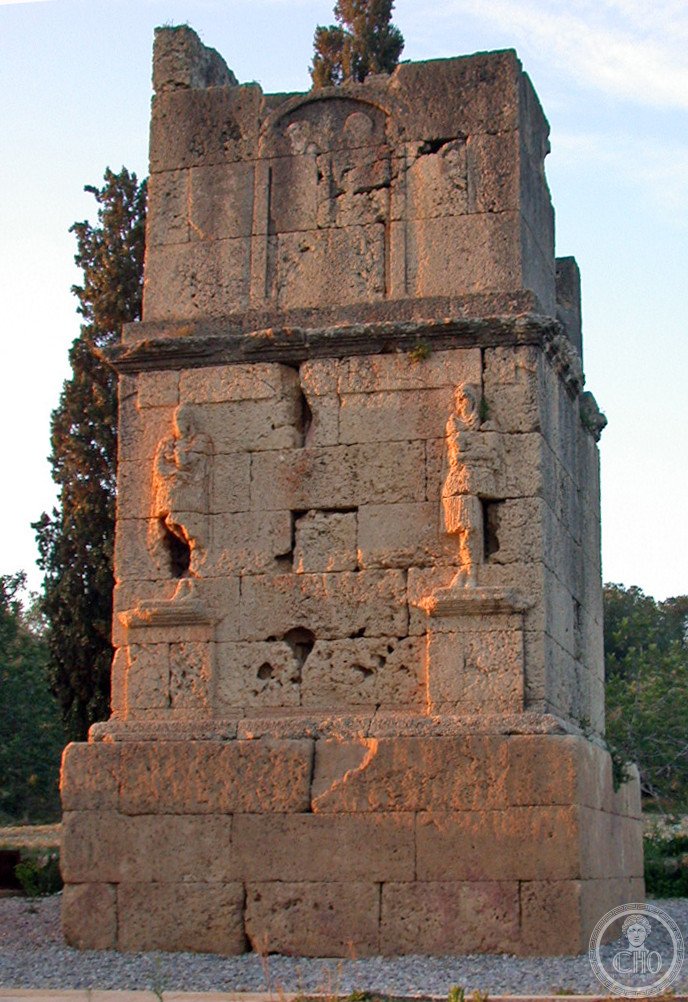
A Roman funerary tower standing on the outskirts of ancient Tarraco, this stone monument honours the dead and testifies to the engineering ambitions of imperial Rome.
At a glance
Torre dels Escipions is a Roman funerary tower built on the edge of Tarraco, the ancient city now known as Tarragona. It forms part of the Archaeological Ensemble of Tarraco, a UNESCO World Heritage Site. The tower exemplifies Roman funerary architecture and the urban planning practices of provincial settlements.
History
The tower was constructed during the Roman period as a burial monument for prominent individuals. It stands as evidence of Tarraco’s importance as a Roman city and reflects the customs of honouring the dead through monumental architecture. The structure has survived millennia to remain a significant archaeological landmark.
What you see
The tower is a funerary structure of Roman construction, recognizable as a tower form typical of Roman burial monuments found in provincial territories. Its design and placement on the city’s outskirts reflect Roman funerary practices, where tombs were commonly positioned along roads leading away from urban centres.
Cultural significance
Torre dels Escipions represents the cultural and architectural heritage of Roman Tarraco, one of the most important cities in the Iberian Peninsula under Roman rule. As part of the Archaeological Ensemble of Tarraco, it contributes to our understanding of Roman provincial life, death practices, and urban organization. The monument underscores the reach and sophistication of Roman civilization in Hispania.
Key facts
- Country: Spain
- City: Tarragona (ancient Tarraco)
- Coordinates: 41.1313, 1.3164
- UNESCO World Heritage Site: Yes (part of Archaeological Ensemble of Tarraco)
- Type: Roman funerary tower
Practical information & getting there
Torre dels Escipions is located on the outskirts of Tarragona and forms part of the broader Archaeological Ensemble of Tarraco. Access and visiting conditions may vary; consult local tourism resources or the Tarragona city website for current information on hours and guided visits.
Sources & resources
Find it on the map
See this place and what’s around it →📷 Become a Cultural Heritage Online photographer
Share your photos of places: they stay published under your name as the author. The more they're seen, the more you get noticed — and soon a contest will reward the most appreciated photos.
Log in or sign up free to add a photoIs this page about you?
This page is read by travellers and heritage enthusiasts who find it on Google. Tell us how you are connected to this place and we will take it from there.