
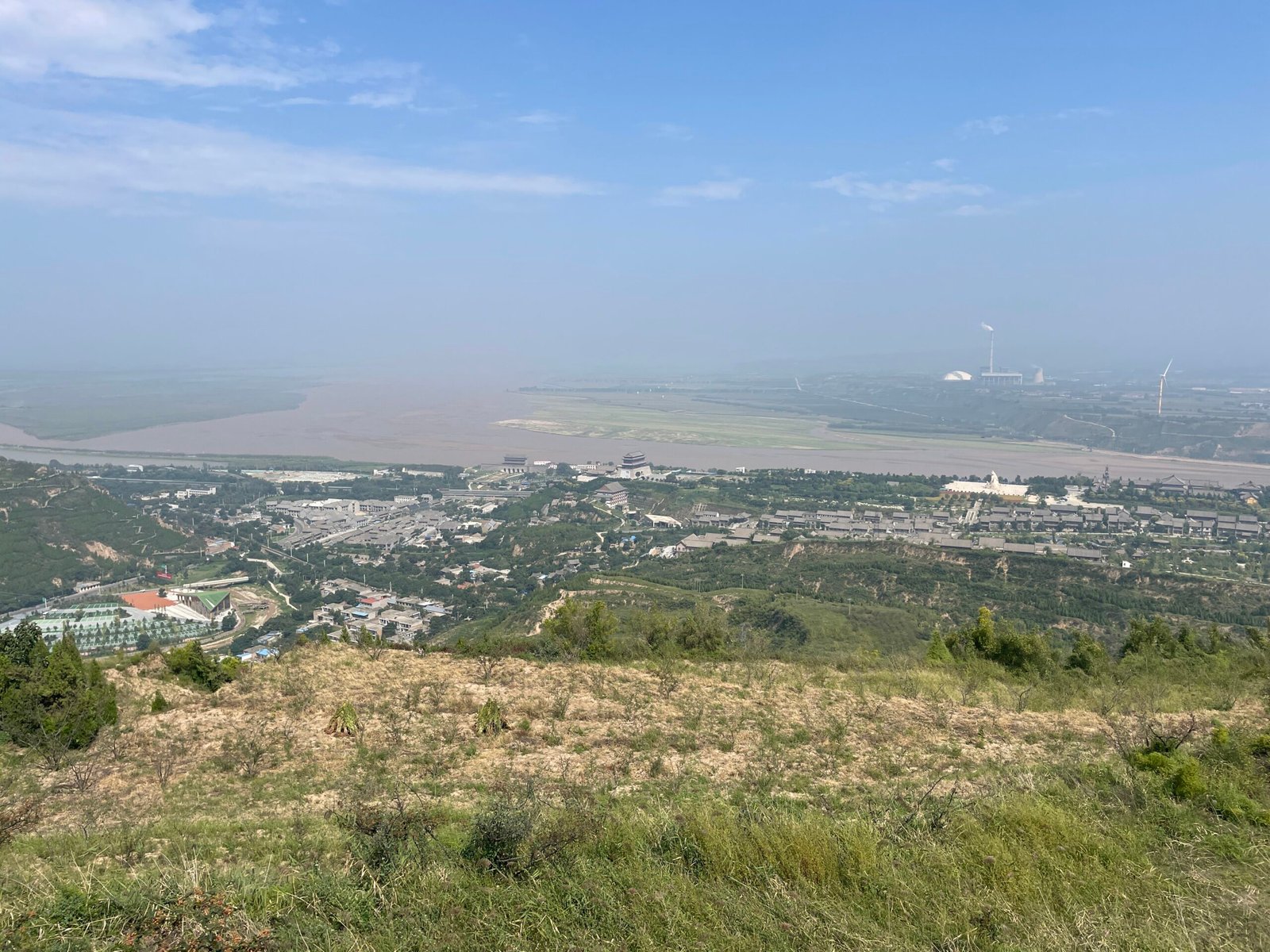
A strategic mountain fortress that guarded the Guanzhong region and Xi’an from northern invasion, Tong Pass controlled the confluence of two of China’s most significant rivers before its demolition in the twentieth century.
At a glance
Tong Pass was a fortified mountain pass sited south of the Wei and Yellow Rivers’ confluence. It served as a critical military chokepoint protecting Xi’an and the fertile Guanzhong Plain from threats originating in the North China Plain.
History
Built in 196 AD by Cao Cao during the late Eastern Han dynasty, Tong Pass became a permanent fortification controlling movement between north and south. The pass remained strategically vital for centuries, and eventually served as the administrative seat of Tongguan County. Its long history as a defensive stronghold ended in the 1950s when the structure was demolished to accommodate the Sanmenxia Dam and its reservoir.
What you see
No physical remains of Tong Pass exist today. The fortress was dismantled entirely during the 1950s as modern infrastructure transformed the landscape.
Cultural significance
Tong Pass exemplifies the military engineering that protected China’s heartland. Its location at the confluence of two major rivers made it indispensable for controlling trade and preventing invasion, embodying centuries of strategic thinking about territorial defense.
Key facts
- Location: Tongguan County, Weinan, Shaanxi, China
- Coordinates: 34.606°N, 110.286°E
- Founded: 196 AD by Cao Cao
- Status: Demolished 1950s
Practical information & getting there
Tong Pass no longer exists as a visitable site. The Sanmenxia Dam now occupies the location. Visitors interested in the region’s history can explore nearby Weinan and its museums documenting the Eastern Han period and Cao Cao’s military campaigns.
Sources & resources
Find it on the map
See this place and what’s around it →📷 Become a Cultural Heritage Online photographer
Share your photos of places: they stay published under your name as the author. The more they're seen, the more you get noticed — and soon a contest will reward the most appreciated photos.
Log in or sign up free to add a photoIs this page about you?
This page is read by travellers and heritage enthusiasts who find it on Google. Tell us how you are connected to this place and we will take it from there.