
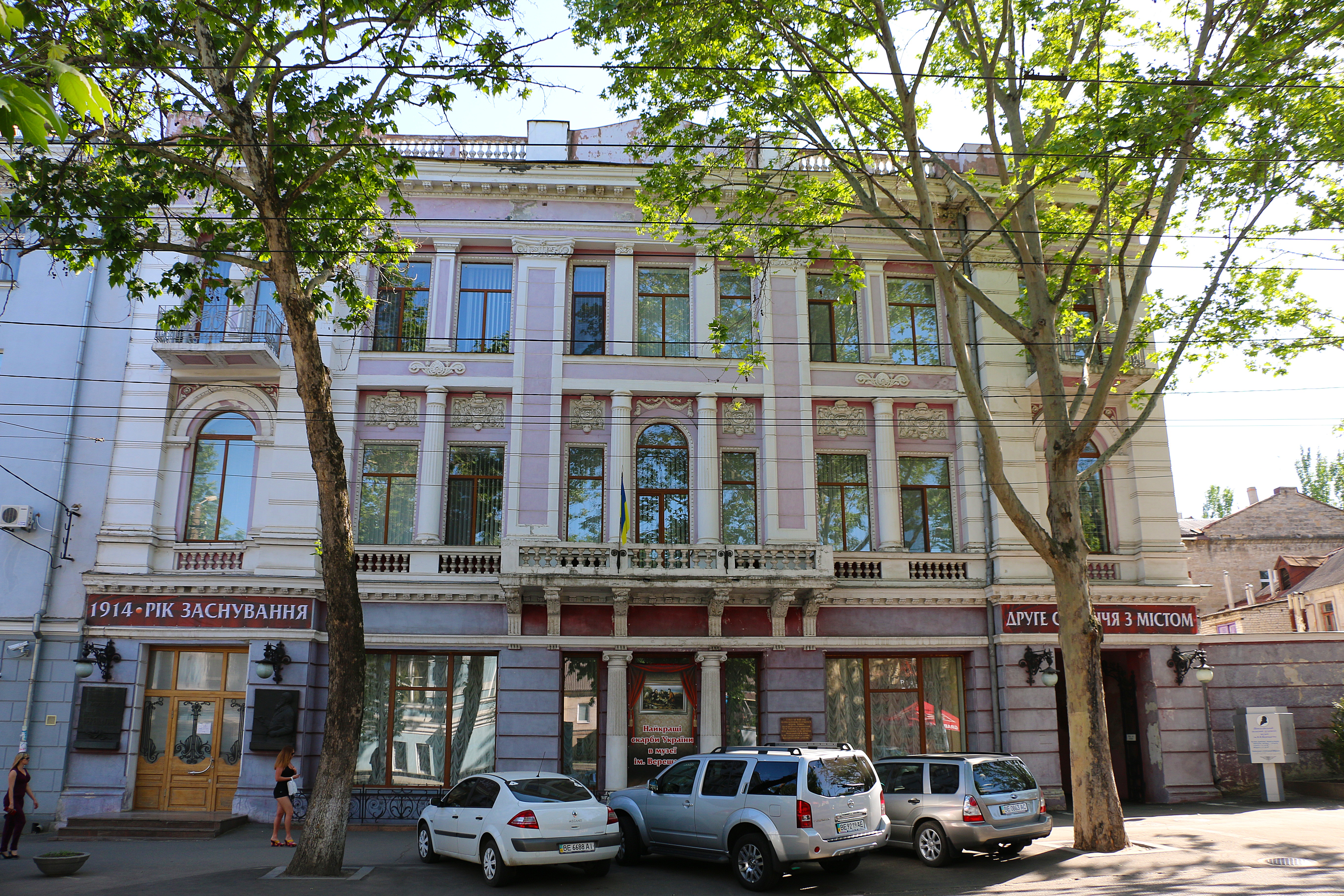
Ukraine’s principal art institution in Mykolaiv celebrates visual culture across centuries and mediums, named after the influential Russian painter.
At a glance
The V. V. Vereshchagin Mykolaiv Art Museum serves as the regional art museum for Ukraine’s Mykolaiv Oblast. Its collection encompasses diverse works spanning painting, sculpture, and decorative arts. The museum functions as a cultural anchor for the southern Ukrainian city.
History
The museum is named in honour of Vasily Vereshchagin, the 19th-century Russian painter known for his monumental historical and military scenes. This naming reflects the institution’s connection to broader Eastern European artistic traditions and the legacy of realist painting.
What you see
Detailed architectural information about the building is not available from current sources. The museum houses exhibition galleries displaying works from its permanent collection and rotating displays.
Cultural significance
The museum preserves and presents visual heritage significant to Mykolaiv and the wider region. As the oblast’s primary art institution, it provides access to Ukrainian and international artistic works, supporting cultural engagement and artistic education in southern Ukraine.
Key facts
- Country: Ukraine
- City: Mykolaiv
- Coordinates: 46.973215, 31.986008
- Named after: Vasily Vereshchagin, 19th-century Russian painter
Practical information & getting there
The museum is located in Mykolaiv in southern Ukraine. For current visiting hours, admission details, and guided tours, consult the museum directly or local tourism resources in Mykolaiv.
Sources & resources
Find it on the map
See this place and what’s around it →📷 Become a Cultural Heritage Online photographer
Share your photos of places: they stay published under your name as the author. The more they're seen, the more you get noticed — and soon a contest will reward the most appreciated photos.
Log in or sign up free to add a photoIs this page about you?
This page is read by travellers and heritage enthusiasts who find it on Google. Tell us how you are connected to this place and we will take it from there.