

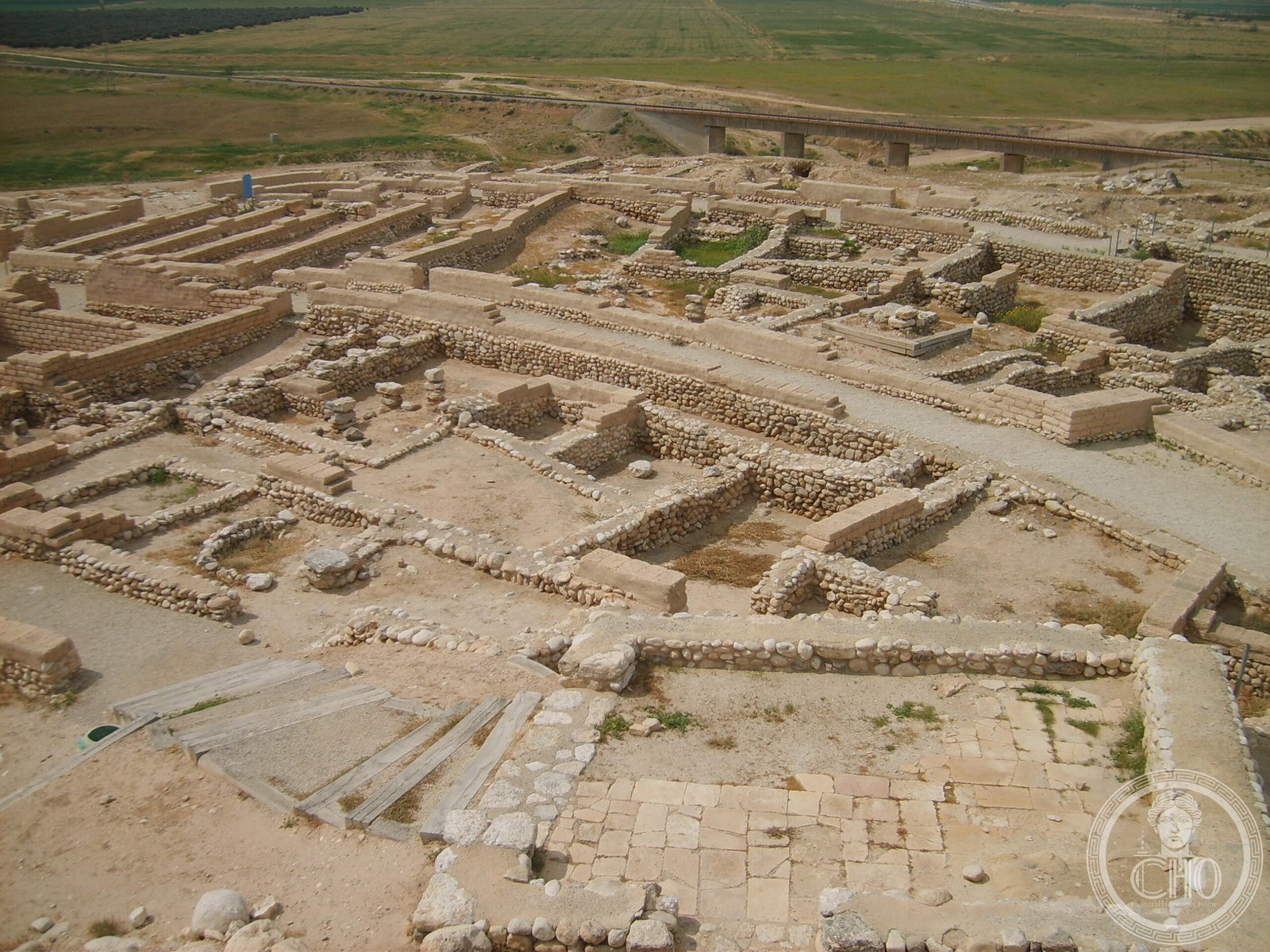
An archaeological site in southern Israel preserving layers of ancient settlement, identified with the biblical town of Beer-sheba and now accessible as a national park.
At a glance
Tel Be’er Sheva is an archaeological mound in Israel’s Southern District, located east of modern Beersheba. The site has been systematically excavated and preserved, offering insights into ancient urban life in the Levant through its stratified remains.
History
Scholars identify Tel Be’er Sheva with the ancient biblical town of Beer-sheba, a significant settlement in the Negev region. The site’s multiple occupation layers chronicle human habitation and settlement patterns across centuries, making it an important record of regional development.
What you see
The tell (artificial mound) reveals the physical evidence of successive settlements built atop earlier remains. Visitors encounter exposed architectural features, domestic structures, and installations that illustrate how ancient communities organized their urban spaces and adapted to their environment.
Cultural significance
Tel Be’er Sheva holds importance for understanding biblical geography and ancient Levantine urbanism. The site bridges archaeological evidence with textual tradition, contributing to scholarly knowledge of Iron Age settlement patterns and the development of the Beer-sheba valley region.
Key facts
- Country: Israel
- Region: Southern District
- Coordinates: 31.24°N, 34.84°E
- Status: Tel Be’er Sheva National Park
Practical information & getting there
The site is accessible to visitors through Tel Be’er Sheva National Park. It lies east of modern Beersheba and west of the Bedouin town of Tel Sheva. Check local tourism resources for current opening hours and visitor facilities.
Sources & resources
- Tel Be’er Sheva (Wikipedia)
- Cultural Heritage Online
Find it on the map
See this place and what’s around it →📷 Become a Cultural Heritage Online photographer
Share your photos of places: they stay published under your name as the author. The more they're seen, the more you get noticed — and soon a contest will reward the most appreciated photos.
Log in or sign up free to add a photoIs this page about you?
This page is read by travellers and heritage enthusiasts who find it on Google. Tell us how you are connected to this place and we will take it from there.