

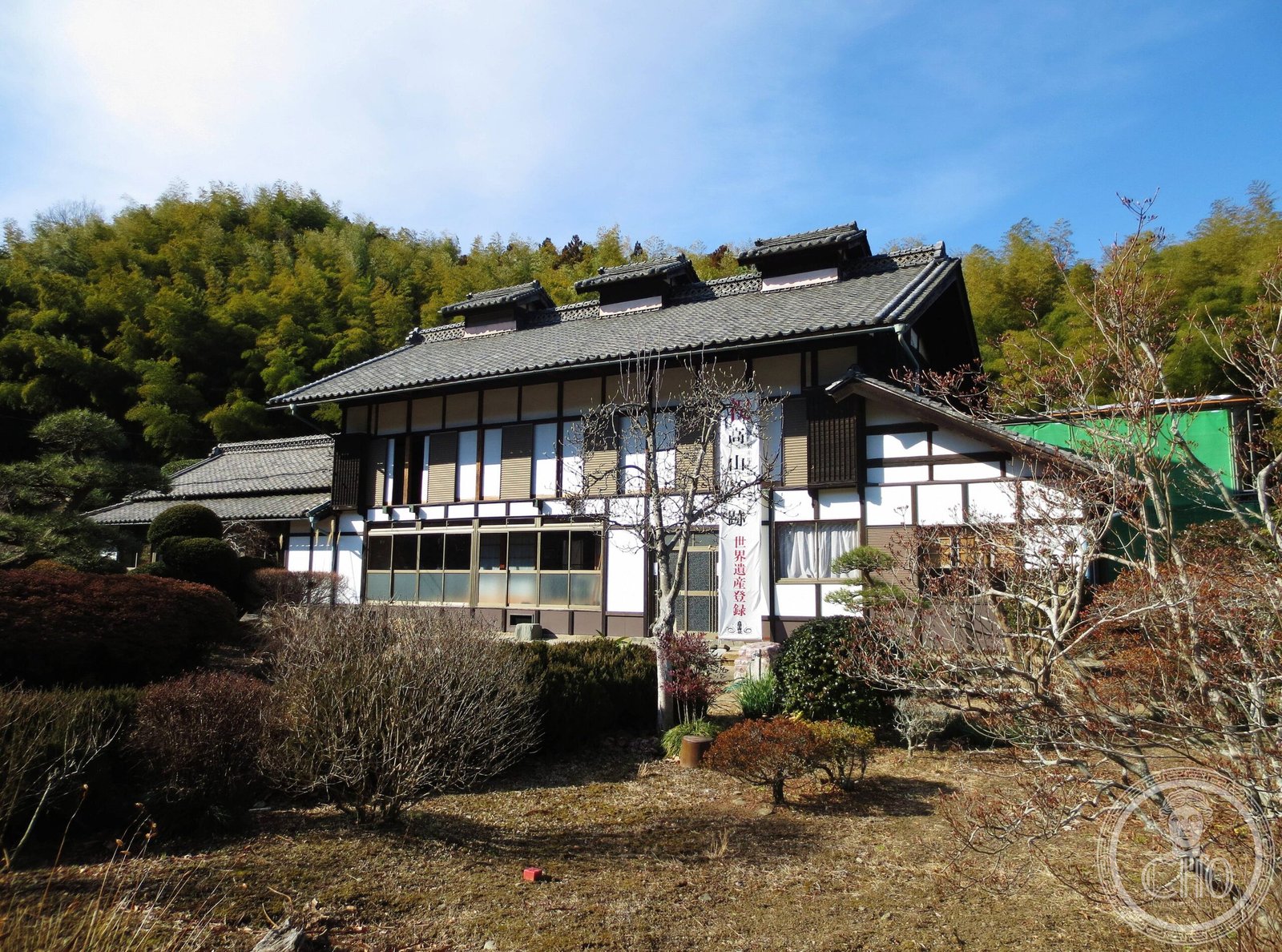
A pioneering silk-industry research institute founded to modernize Japan’s sericulture practices, now recognized as a UNESCO World Heritage Site.
At a glance
Takayama-sha stands as a monument to Japan’s industrial transformation during the Meiji period. The school operated both as an educational institution and research facility, bringing systematic improvement to sericulture when the silk industry was still developing.
History
Sericulturist Takayama Chōgorō founded the school in 1884 to teach sericulture methods and advance techniques in silk production. The main school building, constructed in 1887, survives as a tangible record of this educational mission. Japan’s National Heritage Commission designated it a National Historic Site in 2009, and it was inscribed as a UNESCO World Heritage Site in 2014 as part of the broader designation “Tomioka Silk Mill and associated sites.”
What you see
The 1887 building embodies late-Meiji institutional architecture, designed to serve the dual purposes of classroom and laboratory.
Cultural significance
Takayama-sha represents a critical phase in Japan’s modernization—the systematization of traditional crafts through scientific research and formal pedagogy. The school’s methods and innovations rippled across Japan’s silk regions, elevating production standards and establishing new protocols that shaped the industry for decades.
Key facts
- Founded: 1884 by Takayama Chōgorō
- Location: Fujioka, Gunma Prefecture, Japan
- Coordinates: 36.20°N, 139.03°E
- School building designated: National Historic Site (2009)
- UNESCO status: World Heritage Site (2014), as part of “Tomioka Silk Mill and associated sites”
Practical information & getting there
Takayama-sha is located in Fujioka, Gunma Prefecture. Visitors interested in Japan’s silk heritage should coordinate visits with nearby Tomioka Silk Mill, also designated a UNESCO World Heritage Site, to experience the full context of Japan’s sericulture legacy.
Sources & resources
Find it on the map
See this place and what’s around it →📷 Become a Cultural Heritage Online photographer
Share your photos of places: they stay published under your name as the author. The more they're seen, the more you get noticed — and soon a contest will reward the most appreciated photos.
Log in or sign up free to add a photoIs this page about you?
This page is read by travellers and heritage enthusiasts who find it on Google. Tell us how you are connected to this place and we will take it from there.