
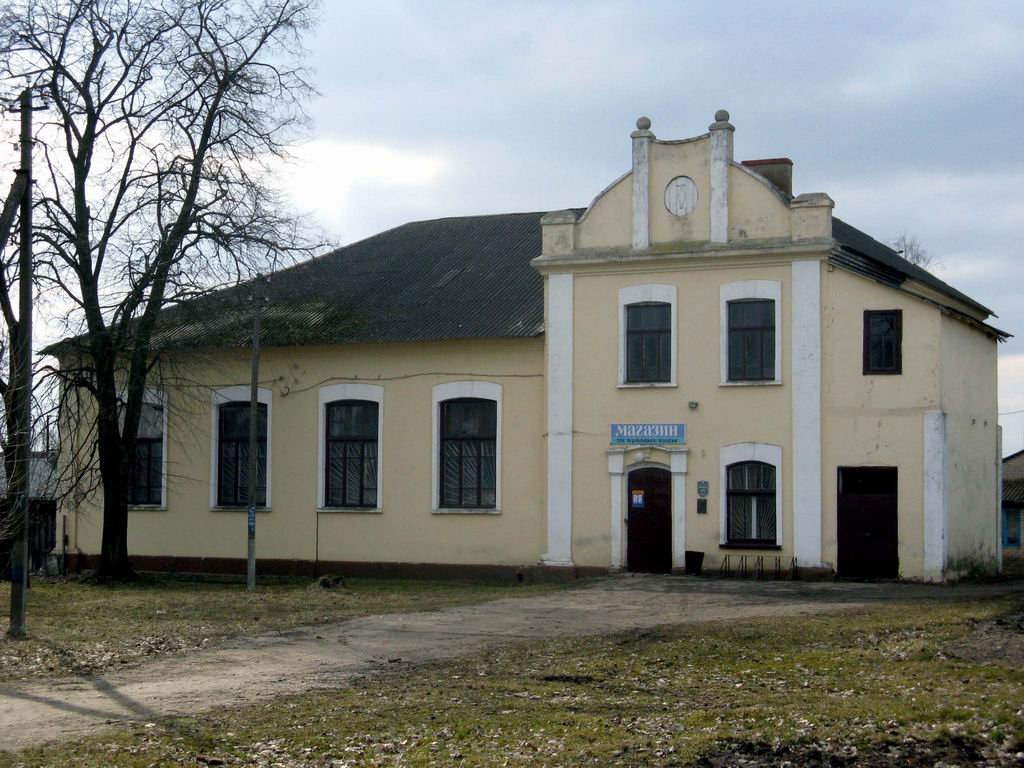
A centre of Orthodox Jewish learning founded in Slutsk and relocated to Klyetsk, the yeshiva shaped rabbinical thought through the 20th century under legendary pedagogues.
At a glance
Mesivta Rabsa Eitz Chaim DiSlutsk—formally the Slutsk-Kletsk Yeshiva—was an Orthodox Jewish academy of advanced religious study. Founded in Slutsk when it lay within the Russian Empire, the institution moved to Klyetsk in the Second Polish Republic in 1897, where it became one of Eastern Europe’s most influential centres of Talmudic learning.
History
The Ridvaz established the yeshiva in Slutsk, then drew students across the Jewish diaspora. Following the geopolitical shifts after World War I and the reformation of Poland as an independent state, the yeshiva relocated to Klyetsk in 1897. Under the leadership of Rabbi Isser Zalman Meltzer and later Rabbi Aharon Kotler, it became renowned for rigorous Talmudic scholarship. The institution’s trajectory—from imperial Russia to interwar Poland—mirrors the complex history of European Jewry in this period.
Cultural significance
The Slutsk-Kletsk Yeshiva exerted profound influence on Orthodox Jewish intellectual life. Its distinctive pedagogical methods and emphasis on logical rigour in Talmudic interpretation attracted advanced students from across Europe and beyond. Rabbis trained here became spiritual leaders in Jewish communities worldwide, extending the institution’s reach far beyond its physical location.
Key facts
- Country: Belarus
- City: Klyetsk
- Coordinates: 53.1°N, 26.6°E
- Founded: 1897 (relocated from Slutsk)
- Founder: The Ridvaz
- Notable leaders: Rabbi Isser Zalman Meltzer; Rabbi Aharon Kotler
Practical information & getting there
Klyetsk lies in central Belarus. Modern access is by road from Minsk or regional centres. The yeshiva’s current status and visitor information require local inquiry.
Sources & resources
Find it on the map
See this place and what’s around it →📷 Become a Cultural Heritage Online photographer
Share your photos of places: they stay published under your name as the author. The more they're seen, the more you get noticed — and soon a contest will reward the most appreciated photos.
Log in or sign up free to add a photoIs this page about you?
This page is read by travellers and heritage enthusiasts who find it on Google. Tell us how you are connected to this place and we will take it from there.