
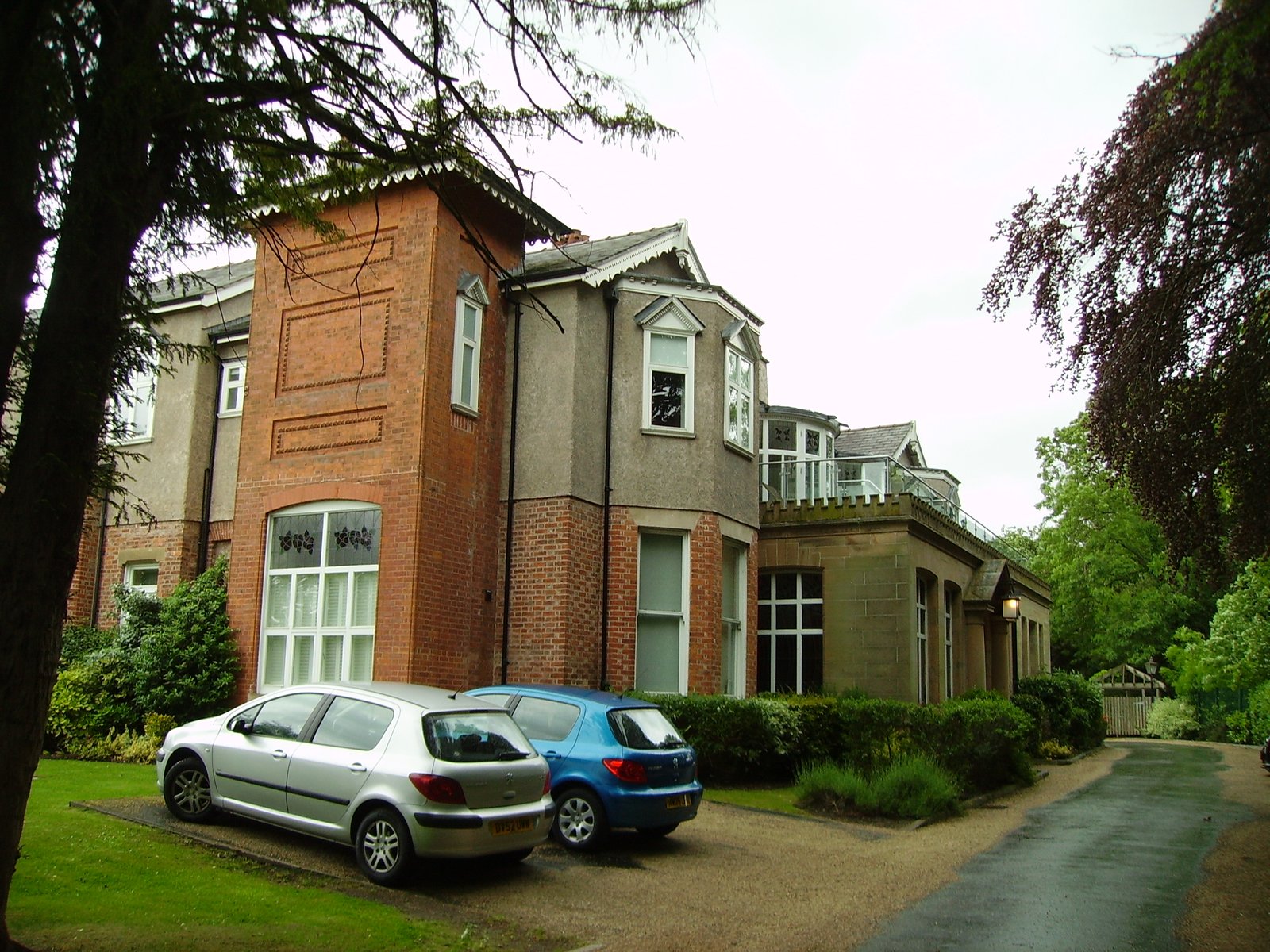
A Grade II* listed Victorian villa in Northenden, once home to the prominent Watkin family, now converted into residential flats.
At a glance
Rose Hill is a mid-19th-century villa situated on Longley Lane in Northenden, a suburb south of Manchester. The house exemplifies Victorian domestic architecture and retains its listed status as a structure of historic merit.
History
Built during the Victorian era, Rose Hill was originally constructed as a private residence for the Watkin family. Sir Edward Watkin, a prominent transport entrepreneur, was among its notable residents. In the late 20th century, the house was repurposed as a children’s home before its eventual conversion into residential flats.
What you see
The villa displays characteristic mid-19th-century design. Its Grade II* listing recognizes the building’s architectural and historical importance within the context of suburban Manchester’s Victorian heritage.
Cultural significance
Rose Hill reflects the domestic aspirations of the Victorian mercantile class. Its association with the Watkin family—notable figures in 19th-century transport and commerce—anchors the building within Manchester’s industrial and commercial history.
Key facts
- Country: United Kingdom
- City: Manchester
- Location: Longley Lane, Northenden
- Coordinates: 53.4017, −2.2488
- Listed status: Grade II*
Practical information & getting there
Rose Hill is now privately owned residential property and not open to the public. Northenden is accessible via public transport from Manchester city centre. The villa remains a landmark of local architectural heritage.
Sources & resources
Find it on the map
See this place and what’s around it →📷 Become a Cultural Heritage Online photographer
Share your photos of places: they stay published under your name as the author. The more they're seen, the more you get noticed — and soon a contest will reward the most appreciated photos.
Log in or sign up free to add a photoIs this page about you?
This page is read by travellers and heritage enthusiasts who find it on Google. Tell us how you are connected to this place and we will take it from there.