

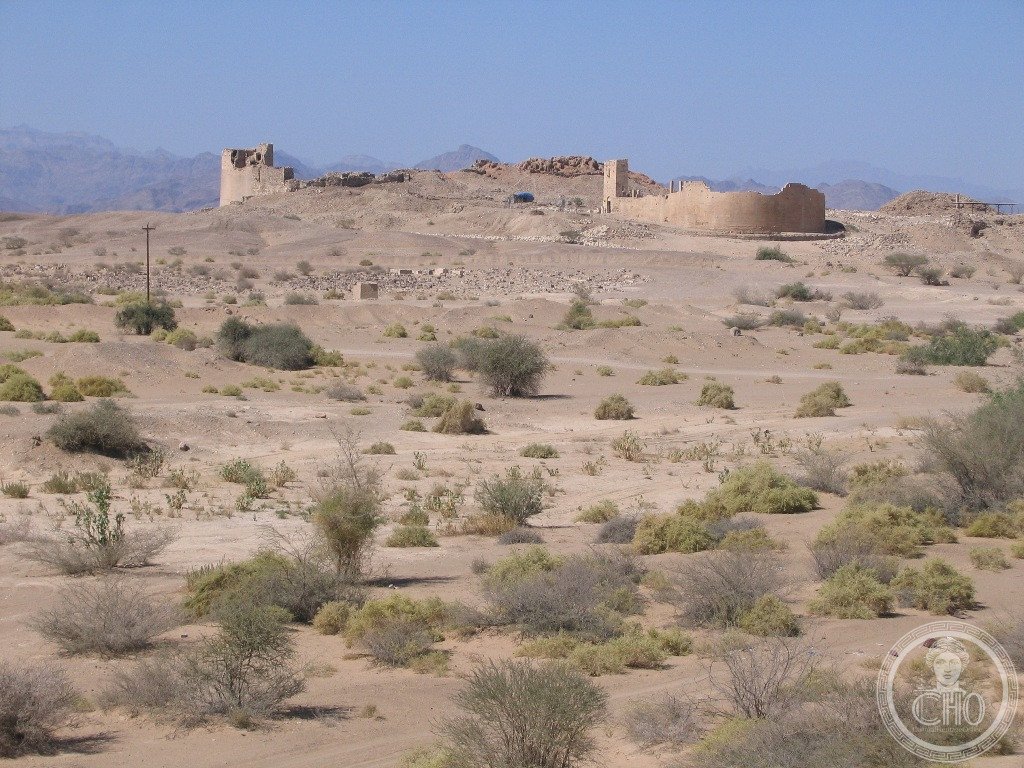
Once the second great capital of the Kingdom of Saba, Sirwah commanded the ancient incense routes of Arabia before ceding prominence to Ma’rib. Its ruins preserve evidence of a thriving oasis city, fortified and adorned with temples.
At a glance
Sirwah was the principal economic and political center of Saba after Ma’rib at the beginning of the 1st century BC. Located 40 kilometers west of Ma’rib, the city occupied a defensible position in the mountains, surrounded by fortified walls and containing numerous large buildings within its oasis layout. Though strategically secure, the site’s mountainous terrain ultimately limited growth.
History
Sirwah flourished as a major Sabaean settlement, commanding both trade and religious authority. King Yada’il Dharih I chose the site to construct an important temple to Almaqah, the Sabaean moon god, around 700 BC. As Ma’rib rose to dominance—particularly through its location on the lucrative incense trade routes—Sirwah gradually ceded its role as capital. Despite this decline in political status, the city retained significance as a religious and cultural center for the Kingdom of Saba.
What you see
The ruins reveal a city designed for both defense and ritual. Fortification walls protected the settled area, while the oasis interior contained substantial structures, including temple complexes dedicated to Almaqah. The layout demonstrates sophisticated urban planning adapted to mountainous terrain and limited water resources.
Cultural significance
Sirwah represents a crucial chapter in South Arabian history, illustrating the rise and transformation of Sabaean civilization. The concentration of temple architecture underscores the religious importance of the site even after its political eclipse. In 2023, Sirwah was inscribed on the UNESCO World Heritage List alongside other landmarks of ancient Saba, recognizing its global importance to understanding pre-Islamic Arabian kingdoms.
Key facts
- Country: Yemen
- Region: Khawlan, 40 km west of Ma’rib
- Coordinates: 15.45°N, 45.01°E
- UNESCO World Heritage status: Inscribed 2023
- Period: Active from at least 700 BC through the 1st century BC
Practical information & getting there
Sirwah lies in central Yemen, in a mountainous region requiring significant travel from major cities. Visitors should consult current travel advisories and local authorities regarding access, security conditions, and any necessary permits or guides for archaeological sites in the region.
Sources & resources
Find it on the map
See this place and what’s around it →📷 Become a Cultural Heritage Online photographer
Share your photos of places: they stay published under your name as the author. The more they're seen, the more you get noticed — and soon a contest will reward the most appreciated photos.
Log in or sign up free to add a photoIs this page about you?
This page is read by travellers and heritage enthusiasts who find it on Google. Tell us how you are connected to this place and we will take it from there.