
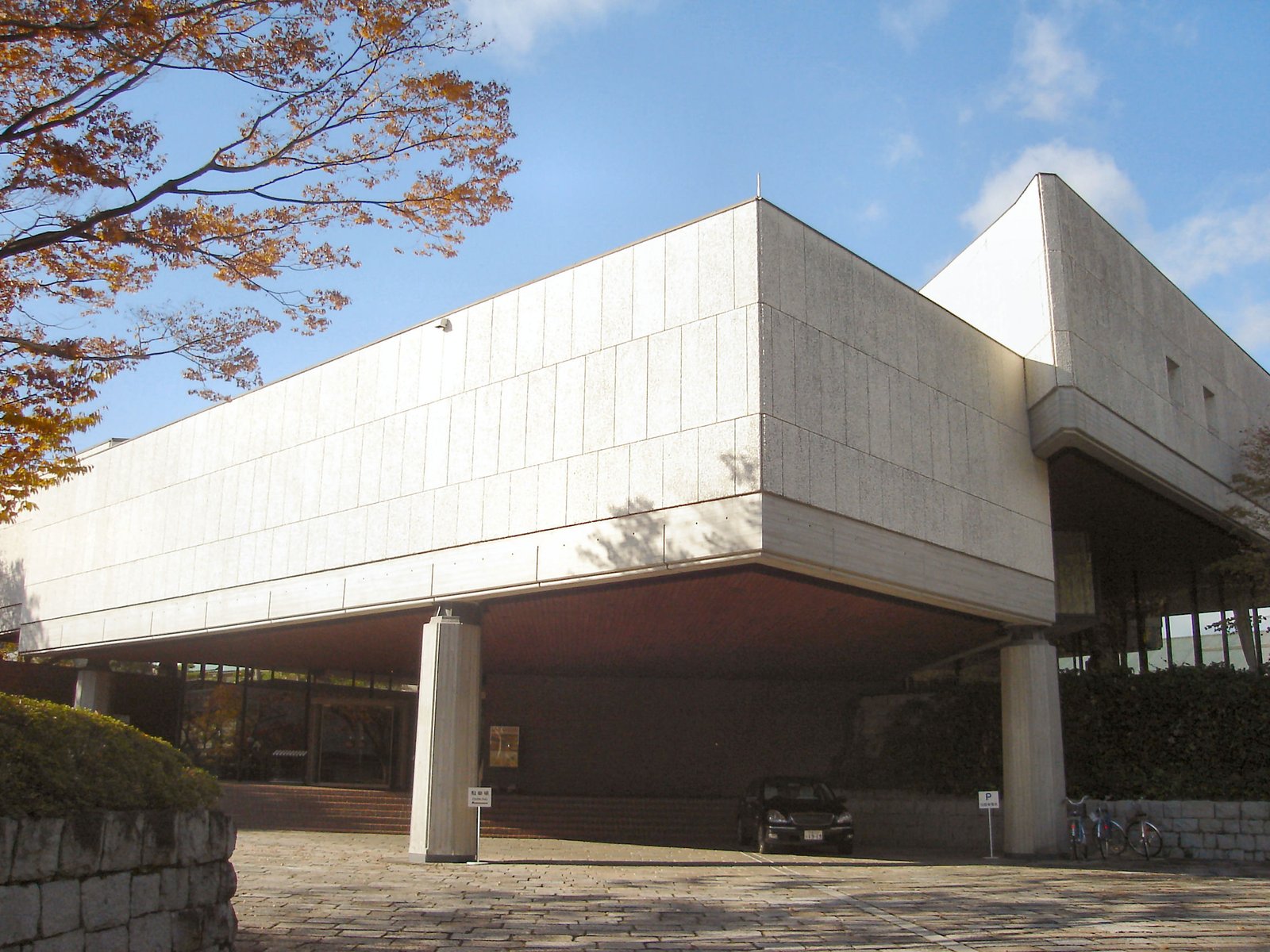
A distinguished repository of East Asian metalwork, the Sen-Oku Hakukokan preserves one of Japan’s finest collections of Chinese bronzes alongside mirrors and Buddhist sculpture.
At a glance
The Sen-Oku Hakukokan Museum holds an exceptional assembly of Chinese bronze vessels spanning centuries. The collection extends to Chinese and Japanese mirrors of various periods, enriched by a select group of Chinese bronze Buddhist figures. Together, these holdings offer insight into the material sophistication and artistic exchange across East Asia.
History
Information about the museum’s founding and institutional history is limited in available sources. The collection itself testifies to sustained curatorial interest in preserving significant examples of Chinese metalwork and associated East Asian arts.
What you see
Visitors encounter bronze vessels of Chinese origin, ranging across historical periods and displaying varied casting techniques and decorative programs. The mirror collection spans both Chinese and Japanese examples, revealing aesthetic preferences and technological continuity. A selection of Chinese bronze Buddhist figures demonstrates the intersection of religious devotion and metalworking skill.
Cultural significance
The museum serves as a vital repository for understanding Chinese bronze traditions and their influence on Japanese material culture. The scope of the collection—particularly the bronze vessels—positions it as an important institution for scholars and enthusiasts of East Asian metallurgy and decorative arts. The presence of Buddhist bronzes underscores the spiritual dimensions of Chinese metalwork during the Buddhist period.
Key facts
- Location: Kyoto, Japan
- Coordinates: 35.0176, 135.7929
- Primary holdings: Chinese bronze vessels, Chinese and Japanese mirrors, Chinese bronze Buddhist figures
Practical information & getting there
The museum is situated in Kyoto’s cultural district. For current visiting hours, admission fees, and access details, consult the museum directly or its official website.
Sources & resources
Find it on the map
See this place and what’s around it →📷 Become a Cultural Heritage Online photographer
Share your photos of places: they stay published under your name as the author. The more they're seen, the more you get noticed — and soon a contest will reward the most appreciated photos.
Log in or sign up free to add a photoIs this page about you?
This page is read by travellers and heritage enthusiasts who find it on Google. Tell us how you are connected to this place and we will take it from there.