
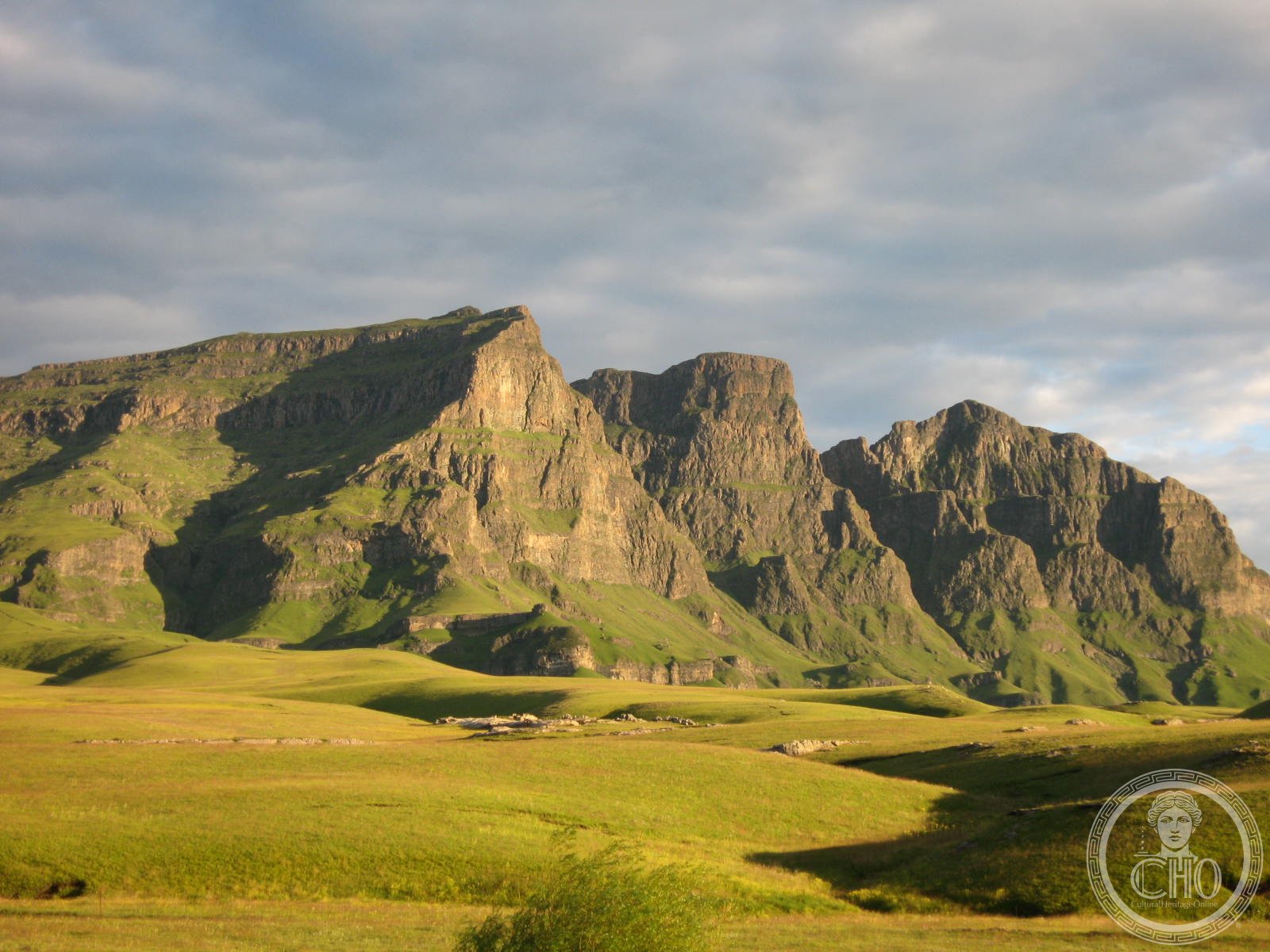
A high-altitude grassland reserve in the Maloti Mountains, Sehlabathebe protects critical freshwater ecosystems and cultural heritage across southern Africa.
At a glance
Sehlabathebe National Park encompasses montane grasslands in Lesotho’s Maloti Mountains, part of the UNESCO-inscribed Maloti-Drakensberg World Heritage Site. The reserve sustains freshwater supplies for three nations: Lesotho, South Africa, and Namibia. Its biodiversity and cultural significance make it essential to the region’s ecological and heritage landscape.
History
The park was officially established on 8 May 1969, marking recognition of its exceptional value. Since its founding, Sehlabathebe has been acknowledged as a site of importance for both biological diversity and cultural heritage, anchoring conservation efforts across the Maloti-Drakensberg region.
What you see
The landscape is dominated by grasslands of various types, reflecting the montane environment characteristic of the high Maloti range. These open expanses support distinct alpine and subalpine ecosystems adapted to elevation and climate.
Cultural significance
Beyond its ecological importance, Sehlabathebe holds cultural heritage value within the broader Maloti-Drakensberg context. The park’s designation as part of a World Heritage Site reflects international recognition of its cultural and natural importance to southern Africa.
Key facts
- Country: Lesotho
- Location: Qacha’s Nek District, Maloti Mountains
- Established: 8 May 1969
- Coordinates: −29.899°, 29.121°
- UNESCO Status: Part of Maloti-Drakensberg World Heritage Site
- Primary ecosystem: Montane grasslands
Practical information & getting there
Sehlabathebe National Park is accessible via the Qacha’s Nek District in southeastern Lesotho. You can obtain detailed travel information through Lesotho’s tourism authority or the national park administration. Visitors should prepare for high-altitude terrain and variable mountain weather.
Sources & resources
Find it on the map
See this place and what’s around it →
📷 Become a Cultural Heritage Online photographer
Share your photos of places: they stay published under your name as the author. The more they're seen, the more you get noticed — and soon a contest will reward the most appreciated photos.
Log in or sign up free to add a photo