
Two interconnected nature reserves protect vast wetlands and steppe ecosystems that sustain millions of migratory birds and rare Central Asian wildlife.
At a glance
Saryarka comprises two state nature reserves—Naurzum in Kostanay Province and Korgalzhyn in Aqmola Region—spanning the Kazakh Uplands. The name saryarka means “yellow range” in Kazakh. These reserves form critical wetland habitats in the heart of the Central Asian steppe.
History
The reserves were designated a UNESCO World Heritage Site on July 7, 2008, in recognition of their ecological importance. Both sites had been functioning as nature reserves prior to this international designation, protecting the region’s unique biodiversity from human encroachment.
What you see
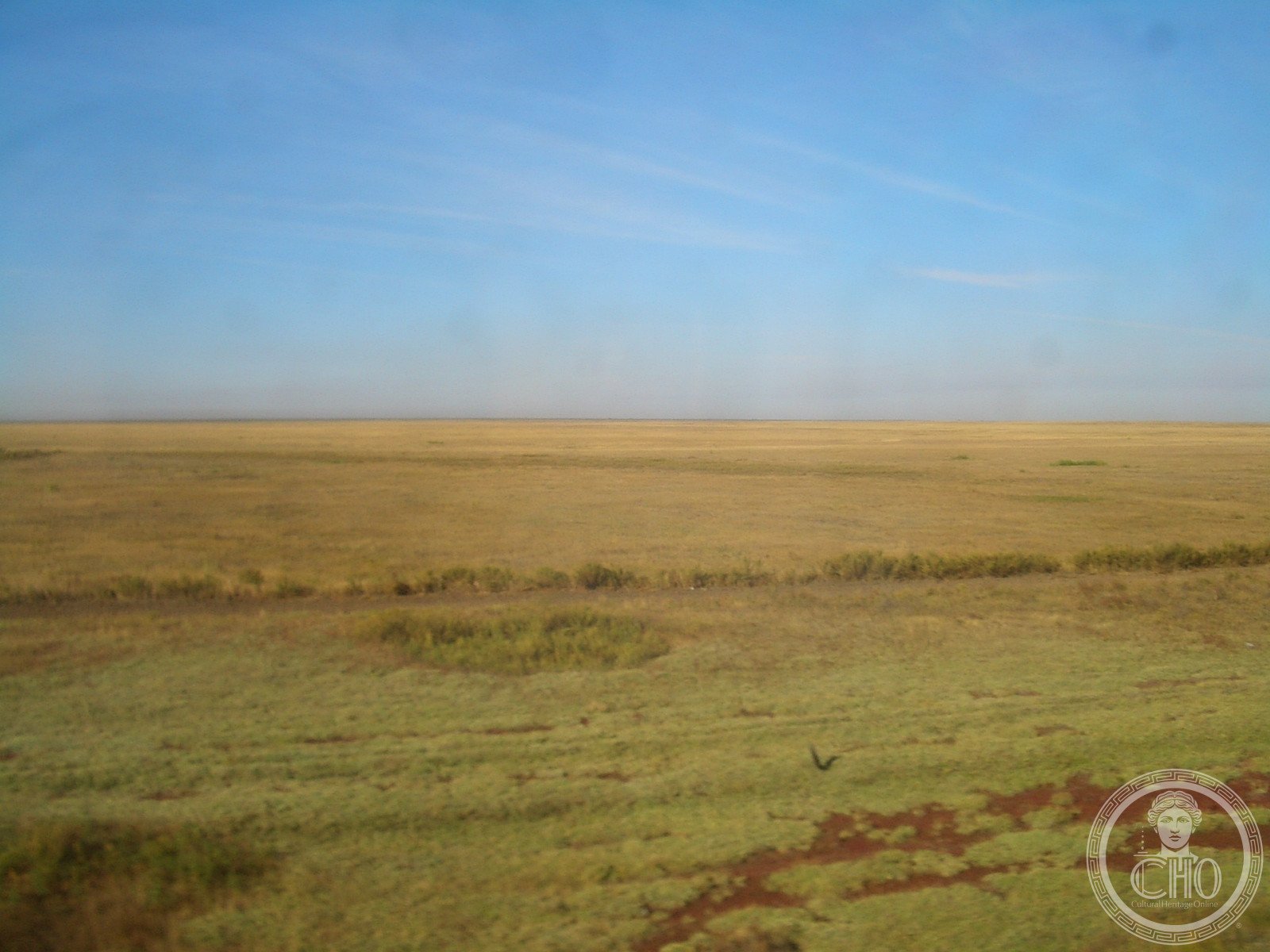
The landscape consists of vast steppe grasslands interspersed with lakes and wetlands. Pink flamingos are a particularly striking feature of Korgalzhyn Reserve. Visitors encounter open horizons, shallow water systems, and seasonal vegetation typical of northern Kazakhstan’s continental climate.
Cultural significance
Saryarka represents one of the world’s most important migration corridors for birds. The wetlands serve as essential feeding grounds for species traveling between Africa, Europe, and South Asia. The site also preserves the traditional steppe ecosystem and its native fauna, making it invaluable for conservation and scientific study of Central Asian wildlife.
Key facts
- UNESCO World Heritage Site, inscribed July 7, 2008
- Location: Northern Kazakhstan (Naurzum Reserve in Kostanay Province; Korgalzhyn Reserve in Aqmola Region)
- Coordinates: 50.43°N, 69.19°E
- Estimated 15–16 million birds use the site annually as a feeding ground
- Home to endangered species including saiga antelope, marmots, wolves, and pink flamingos
Practical information & getting there
Both reserves are open to visitors, with Korgalzhyn being particularly popular for birdwatching. The sites are accessible by road from Astana and Kostanay. Best visiting season is during spring and autumn migrations. Contact local reserve administration for permit requirements and guided tour options.
Sources & resources
Find it on the map
See this place and what’s around it →📷 Become a Cultural Heritage Online photographer
Share your photos of places: they stay published under your name as the author. The more they're seen, the more you get noticed — and soon a contest will reward the most appreciated photos.
Log in or sign up free to add a photo