
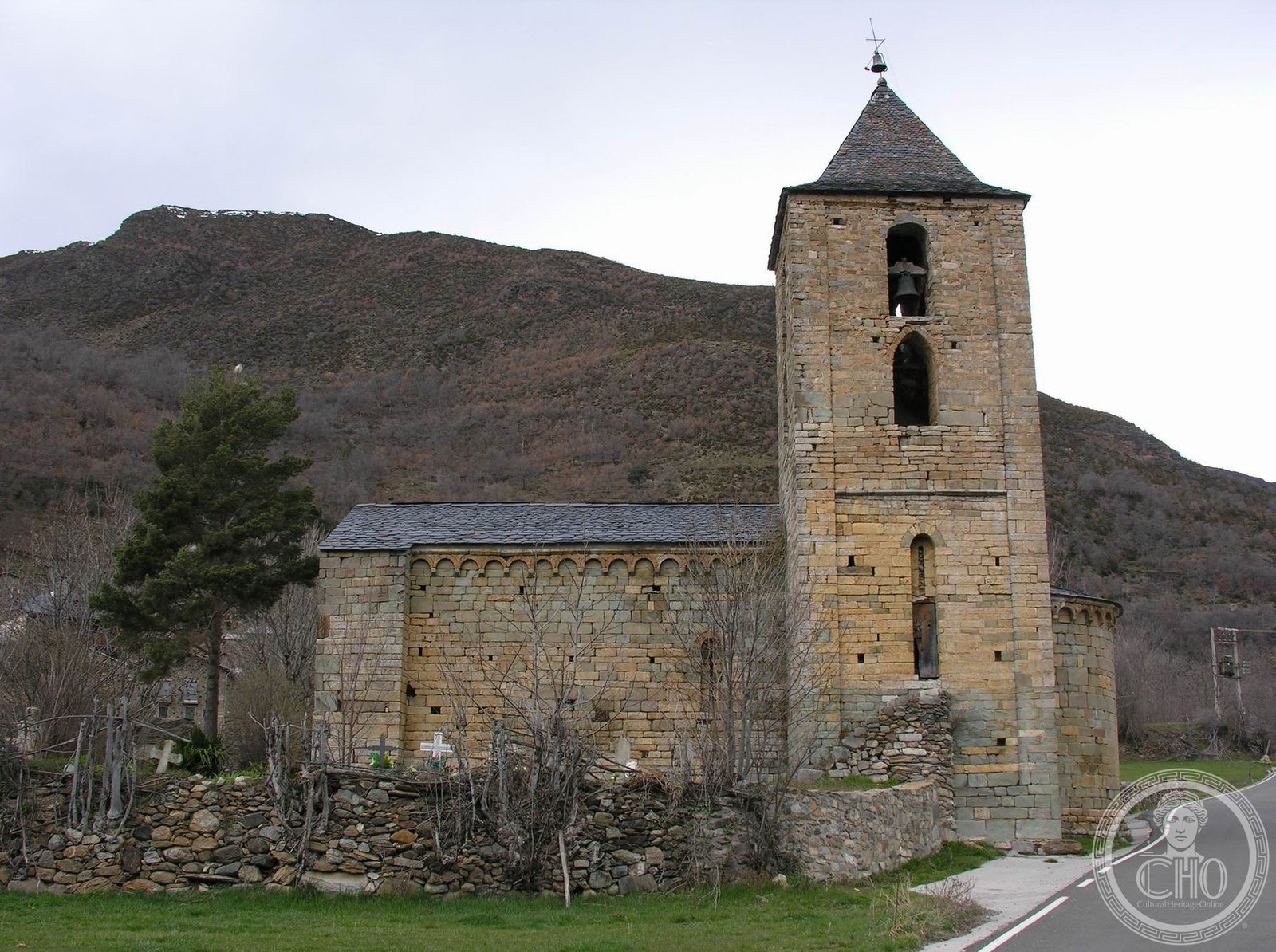
A spare Romanesque church consecrated in 1110, Santa Maria de Cóll stands as a testament to medieval Catalan religious architecture and was recognized as part of a UNESCO World Heritage ensemble.
At a glance
Santa Maria de Cóll is a Romanesque church located in the small village of Cóll within the municipality of Vall de Boí in Catalonia. The building was consecrated in 1110, marking its establishment as a sacred site during the height of Romanesque construction in the region.
History
The church was consecrated in 1110, reflecting the religious fervor and architectural ambition of early 12th-century Catalonia. Its longevity and preservation led to official recognition: it was designated a Bien de Interés Cultural (site of cultural interest) in 1992, and in 2000 it was incorporated into the Vall de Boí UNESCO World Heritage Site, which encompasses a cluster of Romanesque churches in the valley.
What you see
The church exemplifies Romanesque design principles characteristic of Catalan sacred architecture. Its modest scale and structural clarity reflect the aesthetic restraint and functional beauty that defined rural Romanesque building in the Pyrenean region.
Cultural significance
Santa Maria de Cóll forms part of the broader Vall de Boí heritage ensemble, one of Catalonia’s most important collections of Romanesque churches. The valley’s concentration of 12th-century ecclesiastical buildings offers an exceptional record of medieval religious life and artistic expression in the Iberian interior.
Key facts
- Country: Spain
- Location: Vall de Boí, Catalonia
- Consecrated: 1110
- Coordinates: 42.47°N, 0.77°E
- Bien de Interés Cultural: 1992
- UNESCO World Heritage Site: 2000 (as part of Vall de Boí)
Practical information & getting there
Vall de Boí lies in the High Pyrenees northwest of Barcelona. The region is accessible by car; the valley road provides access to the cluster of Romanesque churches. Contact local tourism authorities for current visiting hours and any seasonal access information.
Sources & resources
- Santa Maria, Cóll (Wikipedia)
- Cultural Heritage Online
Find it on the map
See this place and what’s around it →📷 Become a Cultural Heritage Online photographer
Share your photos of places: they stay published under your name as the author. The more they're seen, the more you get noticed — and soon a contest will reward the most appreciated photos.
Log in or sign up free to add a photoIs this page about you?
This page is read by travellers and heritage enthusiasts who find it on Google. Tell us how you are connected to this place and we will take it from there.