

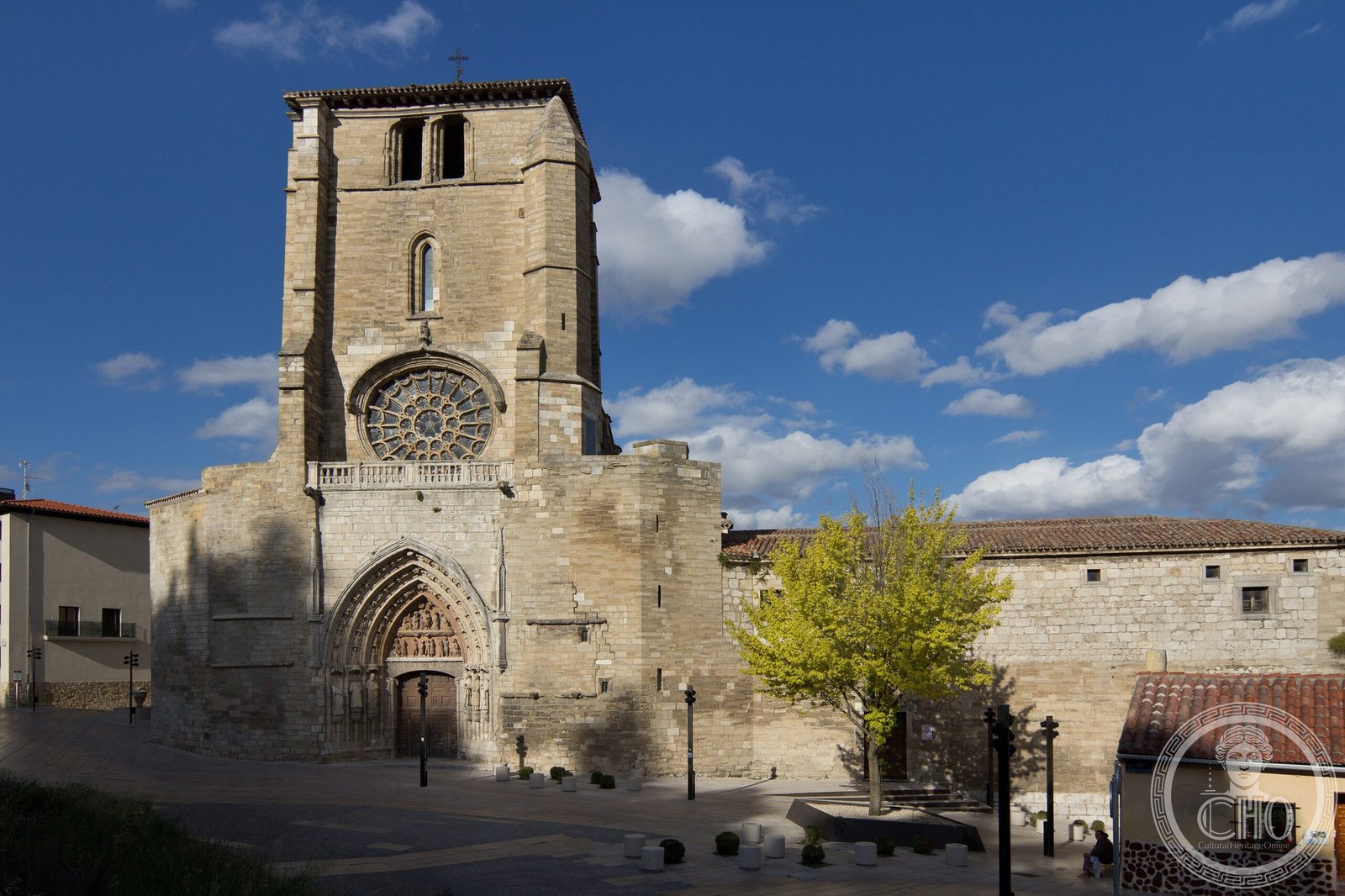
A former Catholic church on the eastern edge of Burgos Castle, now transformed into a museum dedicated to Spanish altarpieces and religious art.
At a glance
San Esteban stands as a testament to medieval Castilian architecture and devotion. Built over the threshold between two centuries, the church exemplifies the transition from Romanesque to Gothic sensibilities. Today it serves as the Museo del Retablo, preserving a significant collection of Spanish altarpieces.
History
Construction of the church began in the late thirteenth century and continued into the early fourteenth century, a period of considerable building activity in Burgos. Its position on the eastern perimeters of Burgos Castle reflects the close relationship between ecclesiastical and secular power in medieval Spain. The church eventually ceased its original function and was repurposed as a museum space.
What you see
The building embodies the architectural transition of its era, blending late Romanesque and early Gothic elements. The structure reflects the regional building traditions of Castile during a transformative period in Spanish religious architecture.
Cultural significance
As the Museo del Retablo, San Esteban now preserves an invaluable collection of Spanish altarpieces—works that illuminate centuries of religious art production and devotional practice. The museum demonstrates how medieval ecclesiastical spaces can be respectfully adapted to serve contemporary cultural purposes while maintaining their historical integrity.
Key facts
- Location: Burgos, Spain
- Coordinates: 42.34°N, 3.71°W
- Date: Late 13th–early 14th century
- Current use: Museo del Retablo (Museum of Altarpieces)
Practical information & getting there
San Esteban is situated on the eastern edge of Burgos Castle in the heart of the medieval city. For current opening hours, admission details, and guided tour information, consult the museum’s official website or contact the Burgos tourist office.
Sources & resources
Find it on the map
See this place and what’s around it →📷 Become a Cultural Heritage Online photographer
Share your photos of places: they stay published under your name as the author. The more they're seen, the more you get noticed — and soon a contest will reward the most appreciated photos.
Log in or sign up free to add a photoIs this page about you?
This page is read by travellers and heritage enthusiasts who find it on Google. Tell us how you are connected to this place and we will take it from there.