
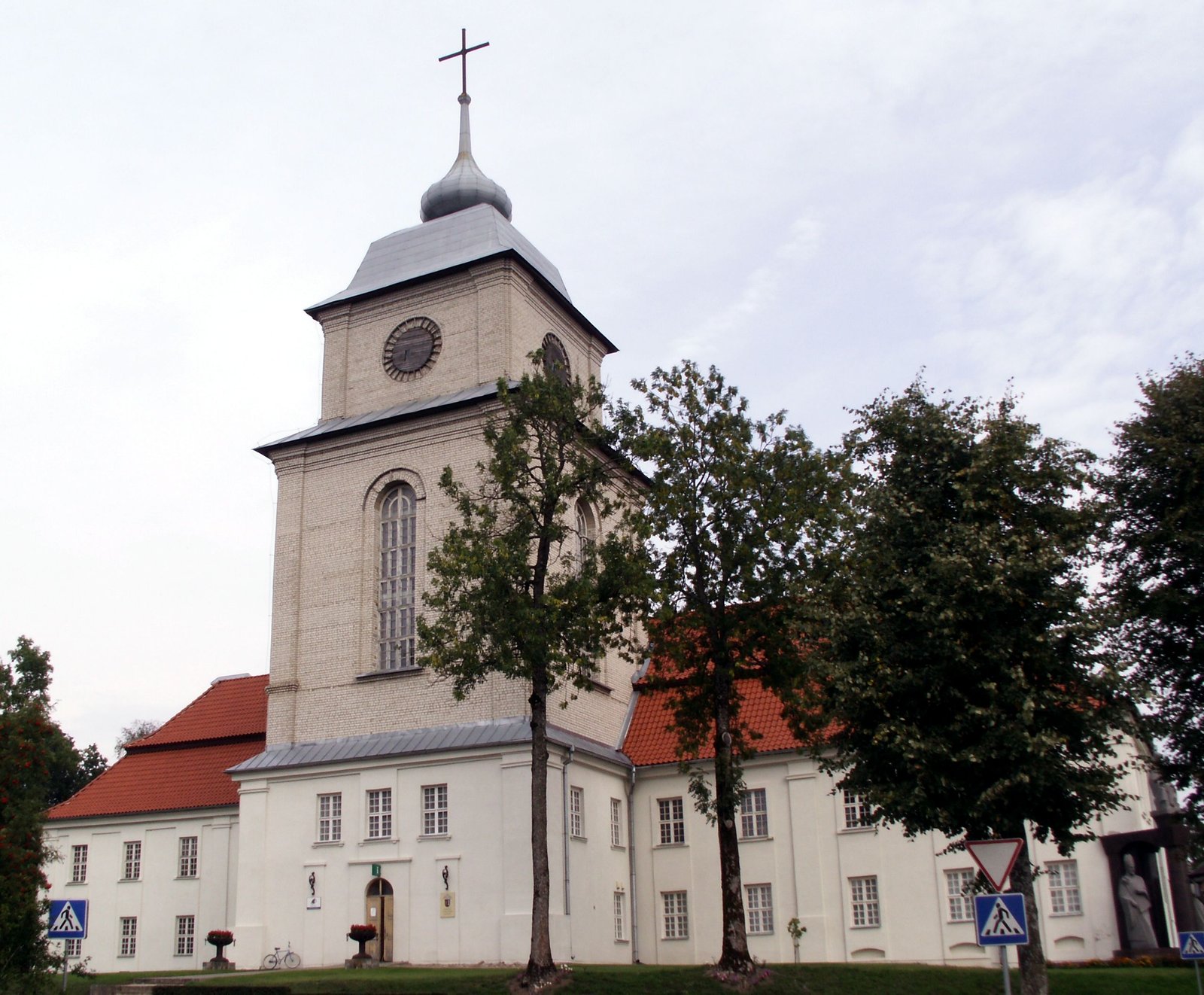
A museum preserving the religious and cultural heritage of the former Diocese of Samogitia, housed in a restored seminary building with deep roots in nineteenth-century Lithuania.
At a glance
The Samogitian Diocese Museum (Žemaičių vyskupystės muziejus) opened in 1999 as a dedicated repository of ecclesiastical history and religious art. It operates as a branch of the Samogitian Museum Alka in Telšiai and occupies the former Varniai Priest Seminary, a building with a complex past.
History
The seminary that houses the museum was relocated from Varniai to Kaunas following the failed Uprising of 1863, a pivotal moment in Lithuanian resistance. The Diocese of Samogitia itself was reorganized into the Diocese of Telšiai in 1926, reshaping the ecclesiastical landscape of the region. The museum’s 1999 establishment came more than a century later, transforming the historic building into a cultural institution dedicated to preserving diocesan heritage.
What you see
The museum occupies a former seminary building, reflecting nineteenth-century institutional architecture. The structure retains its historical character while serving its new purpose as a museum and cultural venue.
Cultural significance
The museum documents and displays the religious traditions, ecclesiastical art, and cultural practices of Samogitia, one of Lithuania’s historically distinct regions. As part of the broader Samogitian Museum network, it contributes to preservation of regional identity and Catholic heritage in Lithuania.
Key facts
- Country: Lithuania
- Location: Varniai
- Established: 1999
- Coordinates: 55.74°N, 22.37°E
- Operated by: Samogitian Museum Alka (Telšiai)
Practical information & getting there
The museum is located in Varniai in western Lithuania. For current opening hours, admission fees, and guided tour availability, consult the Samogitian Museum Alka website or contact the institution directly.
Sources & resources
Find it on the map
See this place and what’s around it →📷 Become a Cultural Heritage Online photographer
Share your photos of places: they stay published under your name as the author. The more they're seen, the more you get noticed — and soon a contest will reward the most appreciated photos.
Log in or sign up free to add a photoIs this page about you?
This page is read by travellers and heritage enthusiasts who find it on Google. Tell us how you are connected to this place and we will take it from there.