
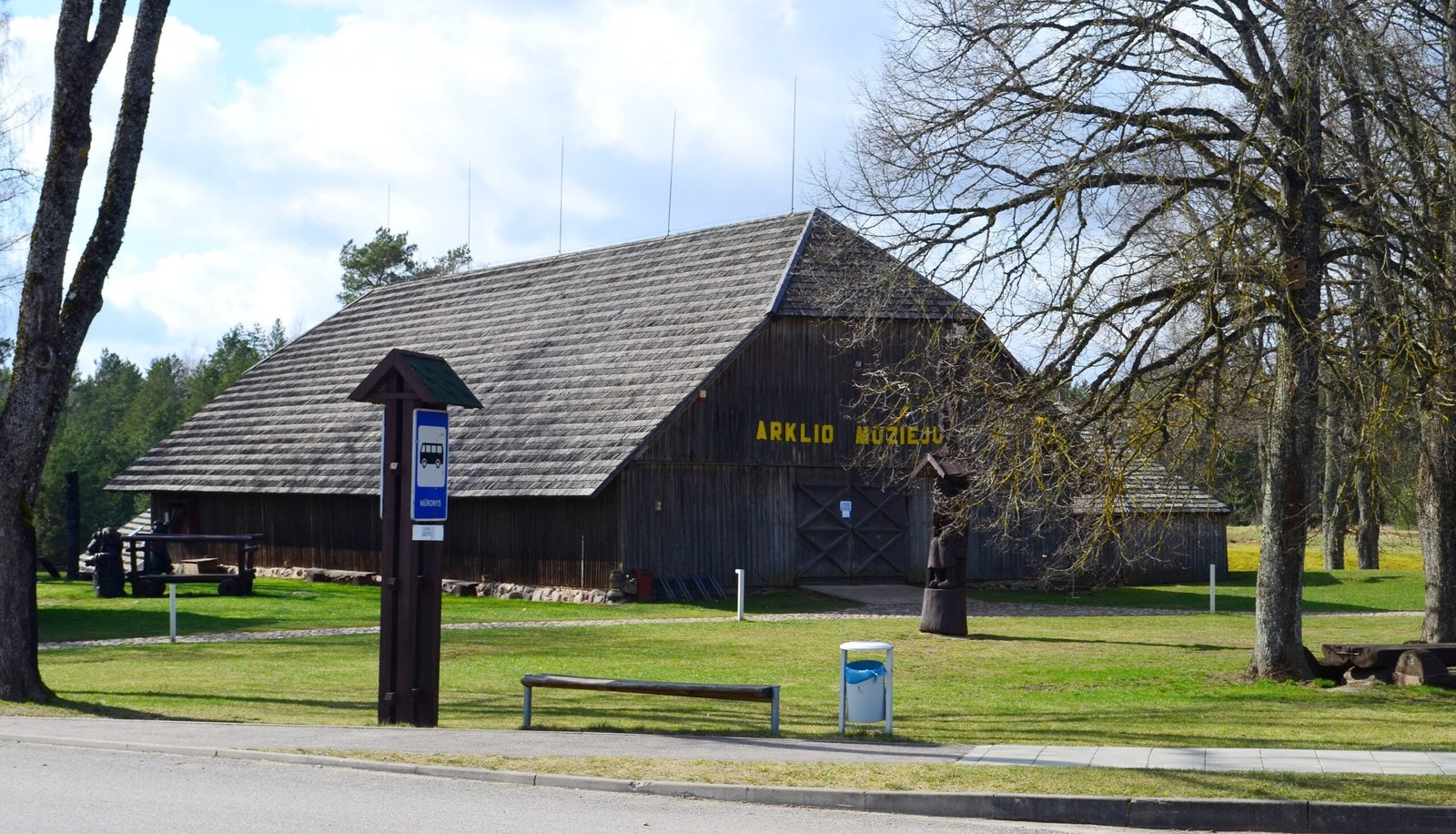
An ethnographic museum in rural Niūronys dedicated to the historical role of horses in Lithuanian agriculture, situated within a regional park north of Anykščiai.
At a glance
The Lithuanian Horse Museum preserves the cultural memory of equestrian life in Lithuania’s agricultural past. Housed in the village of Niūronys, it explores how horses shaped rural work, daily life, and farming practices across centuries.
History
Since 1992, the museum has operated as a branch of the A. Baranauskas and A. Žukauskas-Vienuolis Memorial Museum, integrating equestrian heritage into a wider regional cultural network.
Cultural significance
The museum occupies an important place in Lithuania’s ethnographic heritage, documenting the deep bond between rural communities and horses—animals central to agriculture, transport, and social identity across the region’s history.
Key facts
- Location: Niūronys village, Anykščiai District, Lithuania
- Coordinates: 55.57355, 25.08567
- Distance from Anykščiai: approximately 6.5 km north
- Status: Branch museum since 1992
- Setting: Within Anykščiai Regional Park
Practical information & getting there
The museum is accessible by car from Anykščiai, situated north of the town within the regional park. For current opening hours, admission fees, and guided tour availability, contact the A. Baranauskas and A. Žukauskas-Vienuolis Memorial Museum directly or check their website.
Sources & resources
Find it on the map
See this place and what’s around it →📷 Become a Cultural Heritage Online photographer
Share your photos of places: they stay published under your name as the author. The more they're seen, the more you get noticed — and soon a contest will reward the most appreciated photos.
Log in or sign up free to add a photoIs this page about you?
This page is read by travellers and heritage enthusiasts who find it on Google. Tell us how you are connected to this place and we will take it from there.