

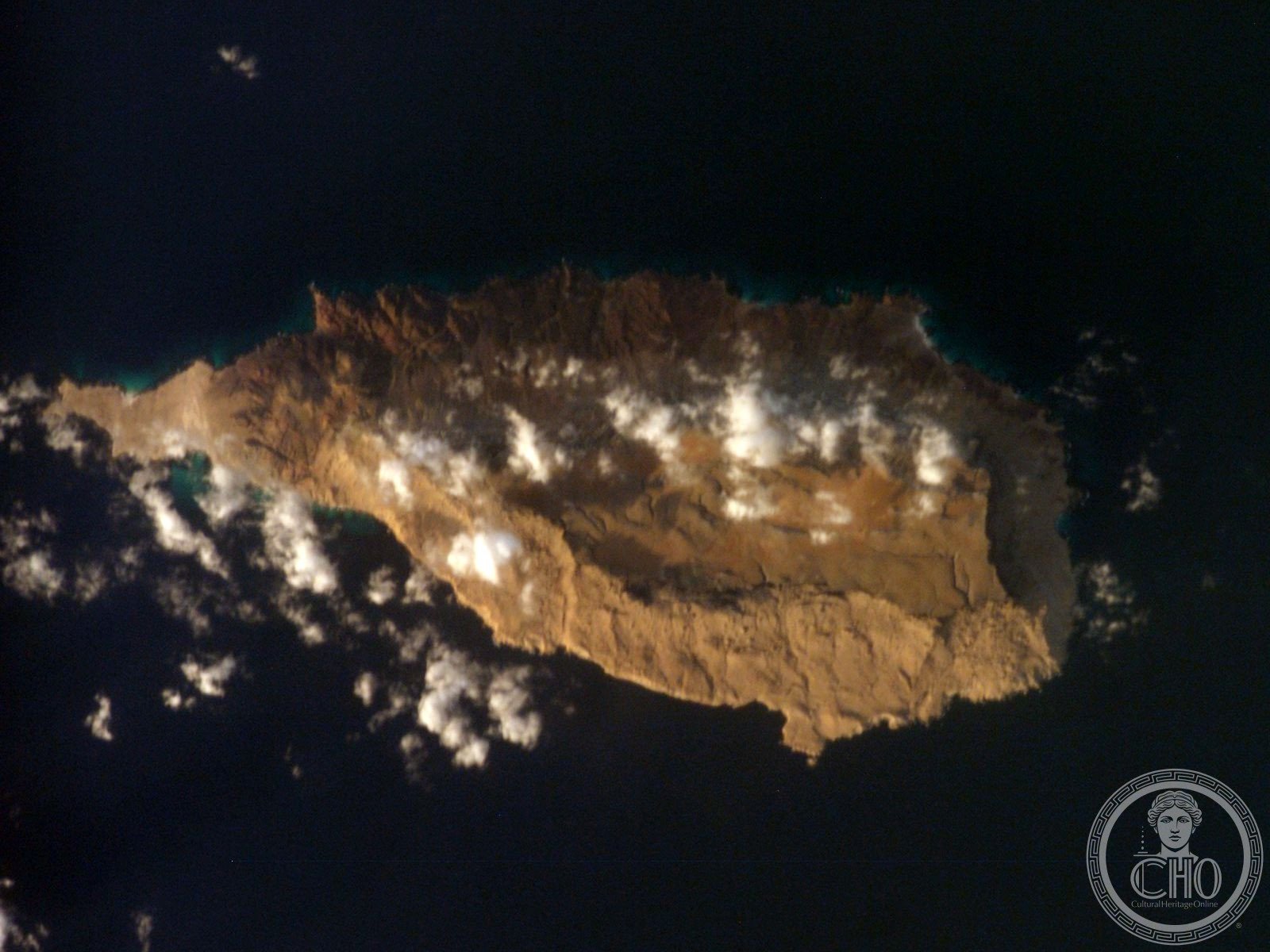
An inhabited island of the Socotra Archipelago, Samhah lies in the Guardafui Channel between two of Yemen’s most distinctive landforms.
At a glance
Samhah is one of several islands comprising the Socotra Archipelago, a remote group situated in the Arabian Sea. It occupies a strategic position in the Guardafui Channel, the waterway separating it from the larger island of Socotra to the west and Abd al Kuri to the east. The island remains inhabited despite its isolated location.
History
Limited historical documentation exists for Samhah in accessible sources. Its role within the broader Socotra Archipelago, long known to Arab and Indian Ocean traders, remains largely unrecorded in detail.
Cultural significance
Samhah forms part of the Socotra Archipelago, a region of considerable ecological and geographical importance in the Arabian Peninsula. The archipelago itself holds significance for understanding Indian Ocean geography and Yemen’s maritime heritage.
Key facts
- Country: Yemen
- Coordinates: 12.15°N, 53.05°E
- Part of the Socotra Archipelago
- Located in the Guardafui Channel
Practical information & getting there
Samhah is remote and accessible only by sea. Travel to the Socotra Archipelago typically requires arranging passage through Yemen, where security and logistical conditions should be verified before planning a visit.
Sources & resources
Find it on the map
See this place and what’s around it →📷 Become a Cultural Heritage Online photographer
Share your photos of places: they stay published under your name as the author. The more they're seen, the more you get noticed — and soon a contest will reward the most appreciated photos.
Log in or sign up free to add a photoIs this page about you?
This page is read by travellers and heritage enthusiasts who find it on Google. Tell us how you are connected to this place and we will take it from there.