
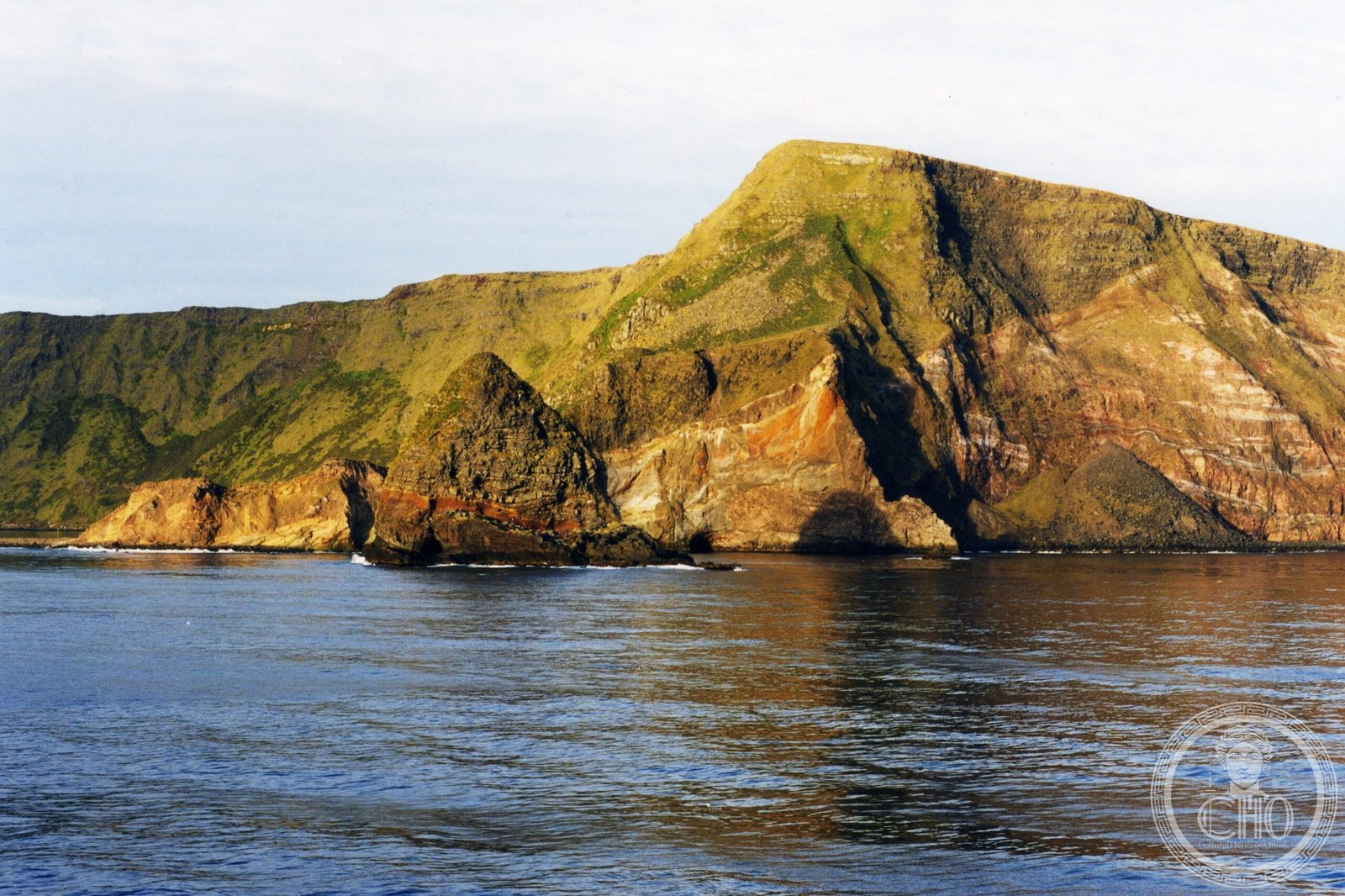
A remote French territory in the southern Indian Ocean, home to a permanent scientific station and designated natural reserve.
At a glance
Saint Paul and Amsterdam Islands comprise a district of the French Southern and Antarctic Lands. Two volcanic islands in the southwestern Indian Ocean, they lie approximately 1,325 km north-northeast of the Kerguelen Islands. The territory remains one of Earth’s most isolated inhabited places, with a year-round population of about twenty-five that swells to fifty during summer months.
History
Amsterdam Island was formerly known as New Amsterdam. The islands have long served as outposts for scientific research in one of the world’s most remote regions. In 2006, the islands were formally designated as a natural reserve, recognizing their ecological and scientific importance.
What you see
The Martin-de-Viviès scientific station anchors human presence on Île Amsterdam. This permanent research facility is owned and managed by the French Southern and Antarctic Lands with support from the French Polar Institute, serving as the islands’ principal infrastructure.
Cultural significance
These islands represent France’s commitment to polar research and environmental stewardship in one of Earth’s least accessible regions. The scientific station conducts vital research on marine ecosystems, meteorology, and environmental change in the southern Indian Ocean.
Key facts
- Location: Southern Indian Ocean, approximately 1,325 km north-northeast of the Kerguelen Islands
- Country: France (French Southern and Antarctic Lands)
- Coordinates: -37.8386°, 77.5637°
- Year-round population: approximately 25 people
- Summer population: approximately 50 people
- Status: Natural reserve (designated 2006)
- Primary facility: Martin-de-Viviès scientific station on Île Amsterdam
Practical information & getting there
Access to Saint Paul and Amsterdam Islands is extremely limited and restricted. Visits are typically permitted only for scientific purposes or by special authorization. Contact the French Polar Institute for information about research opportunities and access procedures.
Sources & resources
Find it on the map
See this place and what’s around it →📷 Become a Cultural Heritage Online photographer
Share your photos of places: they stay published under your name as the author. The more they're seen, the more you get noticed — and soon a contest will reward the most appreciated photos.
Log in or sign up free to add a photo