
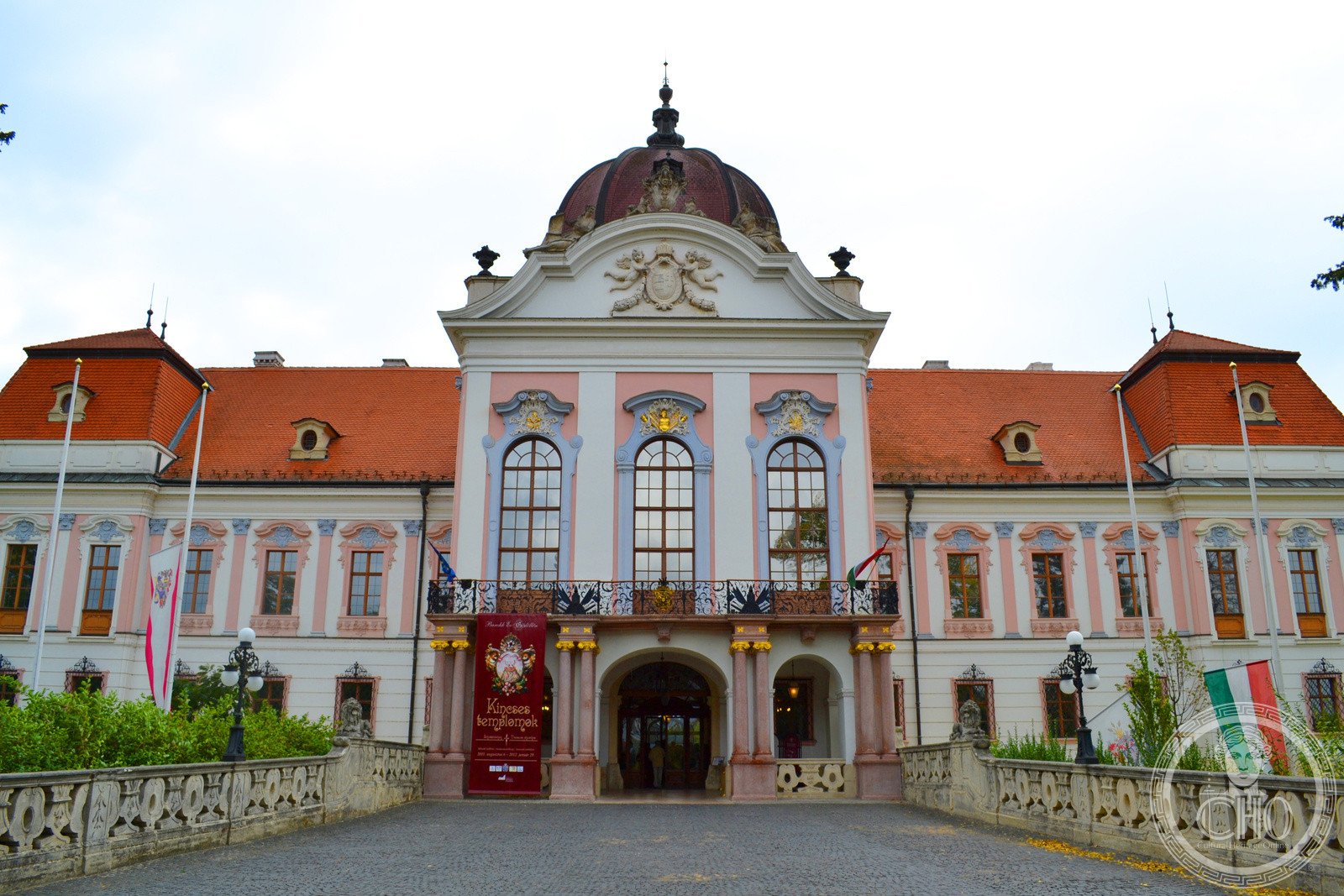
An imperial and royal Hungarian palace celebrated as the favoured residence of one of Hungary’s penultimate queens, this Baroque masterpiece stands in central Hungary as a testament to Habsburg grandeur and royal domestic life.
At a glance
The Royal Palace of Gödöllő—also known as Grassalkovich Castle—is one of Hungary’s most significant palatial residences. Located in Pest county, it served as an imperial and royal seat and remains a major repository of Hungarian cultural heritage.
History
The palace achieved particular prominence as the favourite residence of Hungary’s penultimate queen. This association elevated its status and shaped its role in the royal court’s activities during a crucial period of Hungarian history.
What you see
The structure exemplifies imperial and royal Hungarian palatial architecture. Its design reflects the grandeur expected of a royal residence, combining formal state rooms with intimate domestic spaces that served the needs of the Hungarian court.
Cultural significance
The palace represents a window into royal Hungarian life and Habsburg imperial culture. Its survival and preservation make it an important monument to Hungary’s complex dynastic and political heritage during the period of Habsburg rule.
Key facts
- Country: Hungary
- Municipality: Gödöllő, Pest county
- Coordinates: 47.59611111, 19.34777778
- Also known as: Grassalkovich Castle
Practical information & getting there
The palace is located in Gödöllő, central Hungary. For current visiting hours, admission details, and access information, consult local tourism resources or the site’s official channels.
Sources & resources
Find it on the map
See this place and what’s around it →📷 Become a Cultural Heritage Online photographer
Share your photos of places: they stay published under your name as the author. The more they're seen, the more you get noticed — and soon a contest will reward the most appreciated photos.
Log in or sign up free to add a photoIs this page about you?
This page is read by travellers and heritage enthusiasts who find it on Google. Tell us how you are connected to this place and we will take it from there.