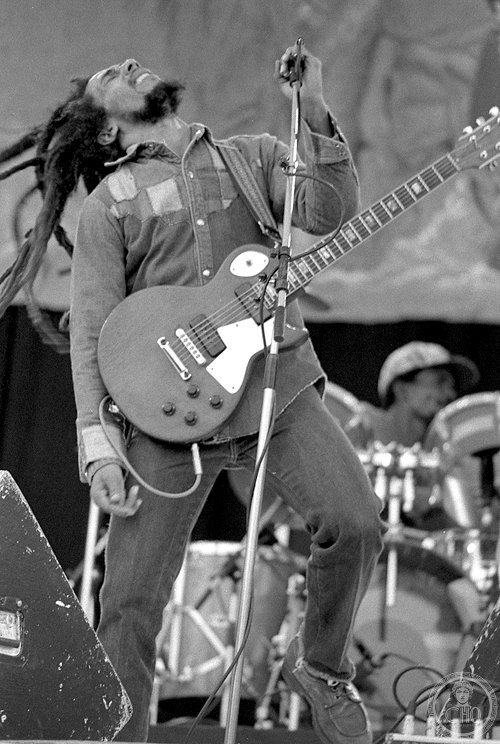
A revolutionary music genre born in Jamaica’s urban neighborhoods, reggae emerged in the late 1960s to become a global voice for social resistance, spiritual reflection, and cultural pride.
In UNESCO’s words
Having originated within a cultural space that was home to marginalized groups, mainly in Western Kingston, the Reggae music of Jamaica is an amalgam of numerous musical influences, including earlier Jamaican forms as well as Caribbean, North American and Latin strains. In time, Neo-African styles, soul and rhythm and blues from North America were incorporated into the element, gradually transforming Ska into Rock Steady and then into Reggae. While in its embryonic state Reggae music was the voice of the marginalized, the music is now played and embraced by a wide cross-section of society, including various genders, ethnic and religious groups. Its contribution to international discourse on issues of injustice, resistance, love and humanity underscores the dynamics of the element as being at once cerebral, socio-political, sensual and spiritual. The basic social functions of the music – as a vehicle for social commentary, a cathartic practice, and a means of praising God – have not changed, and the music continues to act as a voice for all. Students are taught how to play the music in schools from early childhood to the tertiary level, and Reggae festivals and concerts such as Reggae Sumfest and Reggae Salute provide annual outlets, as well as an opportunity for understudy and transmission for upcoming artists, musicians and other practitioners.
Official description, UNESCO Intangible Cultural Heritage List — Reggae music of Jamaica
At a glance
Reggae is a Jamaican music genre that grew from the musical and cultural experience of marginalized communities. It blends earlier Jamaican forms with Caribbean, North American, and Latin influences, gradually evolving through Ska and Rock Steady into its distinctive form. What began as the voice of the excluded is now played and embraced across all sections of society, regardless of gender, ethnicity, or religion.
Origins & history
Reggae developed from an amalgam of musical influences including earlier Jamaican styles, Caribbean traditions, and North American forms such as soul and rhythm and blues. Over time, Neo-African styles were incorporated as well. The genre emerged through a clear progression: earlier Jamaican forms transformed into Ska, which then became Rock Steady before finally developing into Reggae itself.
The practice
Reggae functions as social commentary, a cathartic practice, and a means of praising God. Musicians and students learn the tradition in schools from early childhood through tertiary level. Reggae Sumfest and Reggae Salute festivals and concerts provide annual performance opportunities where established and upcoming artists, musicians, and practitioners transmit knowledge to the next generation.
Cultural significance
Reggae's core social functions—voicing the marginalized, commentary on injustice and resistance, and spiritual expression—remain unchanged and continue to serve all communities. The music engages with international discourse on injustice, resistance, love, and humanity, operating as simultaneously cerebral, socio-political, sensual, and spiritual. It remains a voice for all people.
Key facts
- Country: Jamaica
- Inscribed: 2018
- UNESCO list: Representative List of the Intangible Cultural Heritage of Humanity
- UNESCO reference: 01398
- UNESCO vocabulary: Instrumental music; Vocal music
- Map: Western Kingston — the locality named in UNESCO’s official description of this element
Where to experience it
Reggae music thrives across Jamaica, particularly in Western Kingston where the tradition originated within marginalized communities. Visitors and students encounter the music in schools from early childhood through tertiary education, while annual events such as Reggae Sumfest and Reggae Salute offer live performances and opportunities to witness the transmission of knowledge between established and emerging artists. Beyond Jamaica's shores, reggae continues to resonate wherever musicians and communities gather, maintaining its role as a vehicle for social commentary, spiritual expression, and connection across diverse groups worldwide.
Sources & resources
- UNESCO — official element page: Reggae music of Jamaica
- UNESCO — open data record: Intangible Heritage List, reference 01398
- UNESCO — official video: UNESCO film on this element — embedded on this page
- UNESCO — official photograph: Photograph of this element — Steve James — Semiyah Photography, 2017
- Reference — Wikipedia (secondary): Reggae — consulted as a secondary reference, not as confirmation
- Cultural Heritage Online: Our archive and city guides

Find it on the map
See this place and what’s around it →📷 Become a Cultural Heritage Online photographer
Share your photos of places: they stay published under your name as the author. The more they're seen, the more you get noticed — and soon a contest will reward the most appreciated photos.
Log in or sign up free to add a photo