
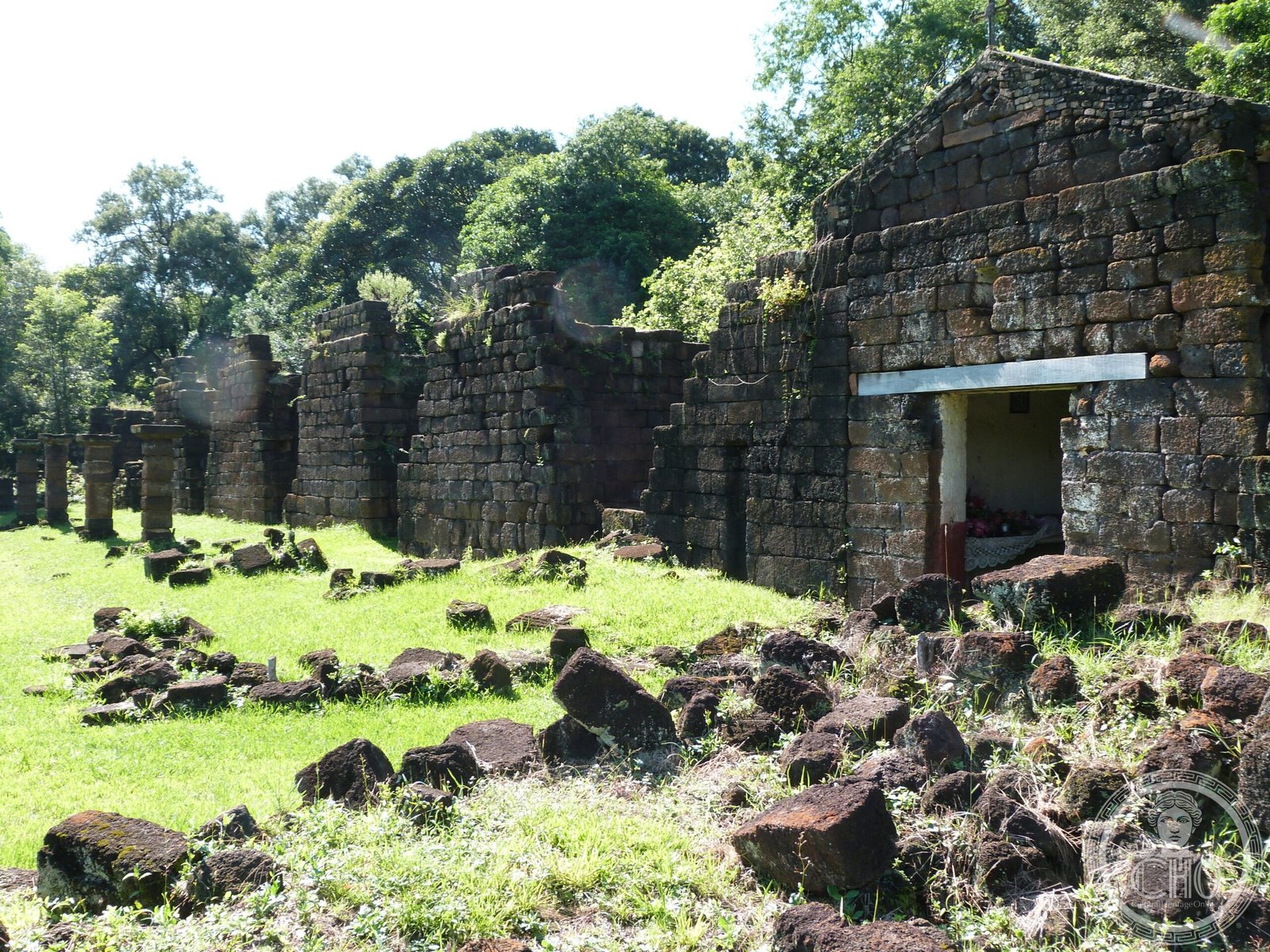
One of the Jesuits’ most significant missions in colonial South America, this reduction stands as a testament to the complex legacy of indigenous spirituality and colonial ambition in Misiones Province.
At a glance
Reducción de Santa María la Mayor was established by Jesuits in the 17th century as a mission community in the Misiones Province. The site represents the architectural and social order imposed during the Spanish colonial period, blending European religious authority with indigenous labor and settlement patterns.
History
Founded during the height of Jesuit missionary expansion in the Americas, this reduction was part of a network of settlements designed to convert and organize indigenous populations under Catholic doctrine. The missions functioned as self-contained communities, combining religious instruction with agricultural production and craftsmanship. By 1984, Reducción de Santa María la Mayor had gained recognition alongside three other Argentine reduction sites as a UNESCO World Heritage Site, acknowledging its historical and cultural importance in understanding colonial Latin American history.
What you see
The physical remains preserve the spatial organization typical of Jesuit reductions, where architecture served both spiritual and practical purposes. The site’s layout reflects the systematic approach to community planning that characterized these missions throughout the region.
Cultural significance
The reduction embodies the encounter—and collision—between European religious institutions and indigenous American societies. These missions shaped colonial demographics, labor systems, and religious practice across South America. Reducción de Santa María la Mayor stands as a material record of Jesuit pedagogy and colonial administration.
Key facts
- Country: Argentina
- Location: Santa María Department, Misiones Province
- Founded: 17th century
- Coordinates: -27.8878, -55.3444
- UNESCO World Heritage Site: 1984
Practical information & getting there
The site is accessible in Misiones Province in northeastern Argentina. Check local tourism information for current opening hours and visitor facilities before planning your visit.
Sources & resources
Find it on the map
See this place and what’s around it →📷 Become a Cultural Heritage Online photographer
Share your photos of places: they stay published under your name as the author. The more they're seen, the more you get noticed — and soon a contest will reward the most appreciated photos.
Log in or sign up free to add a photoIs this page about you?
This page is read by travellers and heritage enthusiasts who find it on Google. Tell us how you are connected to this place and we will take it from there.