
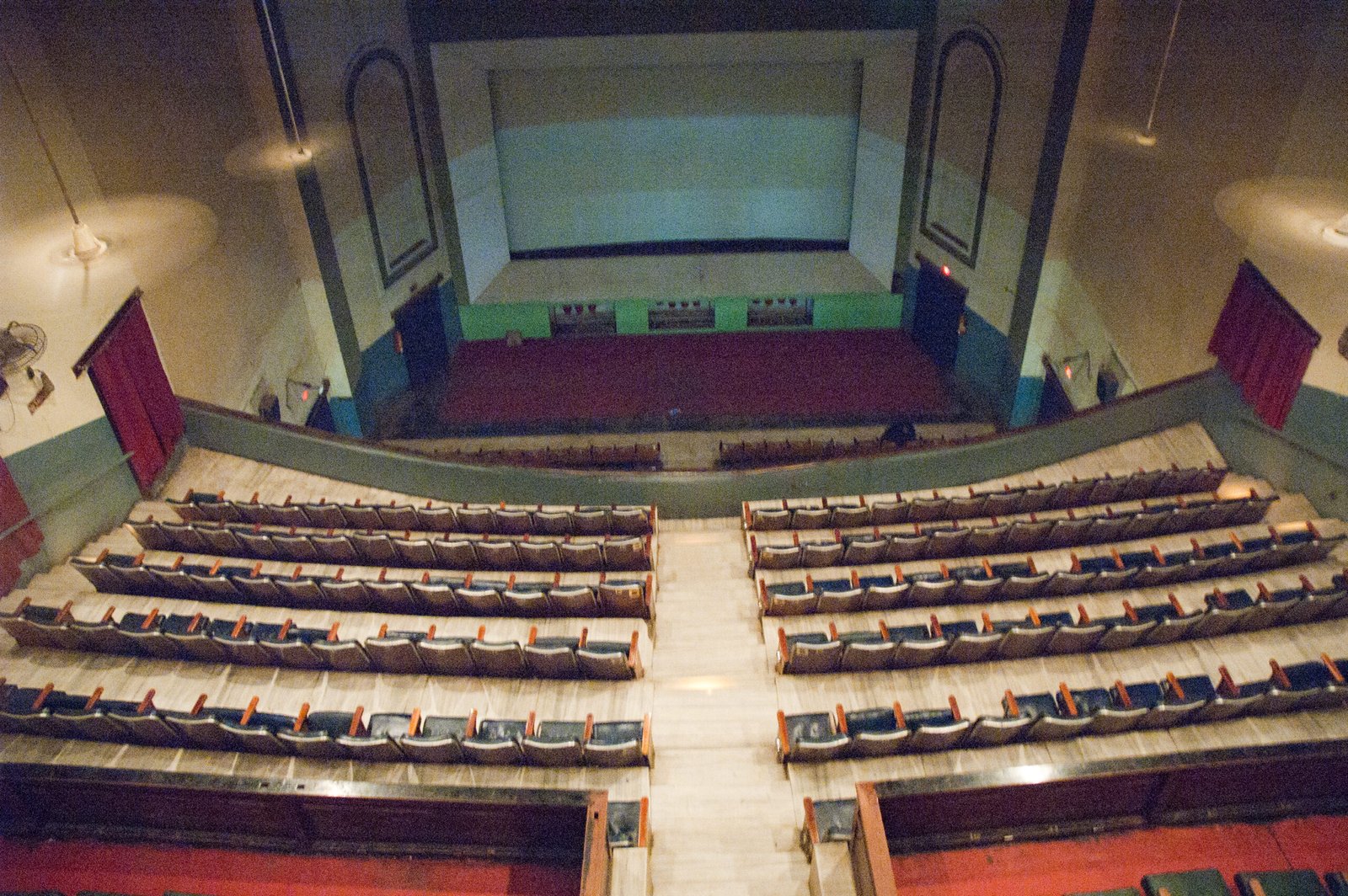
A landmark cinema that brought Hollywood to Bangalore’s cultural landscape, Plaza Theatre stood as a testament to the city’s mid-twentieth-century cosmopolitan aspirations.
At a glance
Plaza Theatre was a cinema hall constructed in 1936 on M. G. Road in the Bangalore Cantonment area. Its primary focus was screening Hollywood films, reflecting the tastes of Bangalore’s English-speaking audiences during the colonial and early independence periods.
History
Built in 1936, Plaza Theatre emerged during a period of modernization in Bangalore. The theatre catered to an audience with access to foreign currency and cultural preferences shaped by British influence. Its location on M. G. Road placed it in a commercially vibrant district of the Cantonment, a historically significant administrative zone established during colonial rule.
What you see
The theatre exemplified the streamlined cinema architecture of the 1930s. Like many picture houses of its era, Plaza combined functional design with an emphasis on comfortable seating and modern projection facilities—amenities that distinguished early cinemas from theatrical venues.
Cultural significance
Plaza Theatre represented a crucial intersection of global cinema culture and Indian urban life. By specializing in Hollywood releases, it shaped local film-going habits and introduced international storytelling to Bangalore audiences during a transformative period in Indian cinema history.
Key facts
- Built: 1936
- Location: M. G. Road, Bangalore Cantonment
- Country: India
- City: Bengaluru
- Coordinates: 12.9751°N, 77.606°E
- Primary programming: Hollywood films
Practical information & getting there
Plaza Theatre was situated on M. G. Road in the Bangalore Cantonment area. The theatre is no longer operational; visitors interested in Bangalore’s cinema heritage may explore the city’s evolving entertainment districts and architectural remnants from the early twentieth century.
Sources & resources
Find it on the map
See this place and what’s around it →📷 Become a Cultural Heritage Online photographer
Share your photos of places: they stay published under your name as the author. The more they're seen, the more you get noticed — and soon a contest will reward the most appreciated photos.
Log in or sign up free to add a photoDo you manage this place?
This page is read by travellers and heritage enthusiasts who find it on Google. Keep it accurate — and make it work for you. Free for non-profit heritage institutions.