
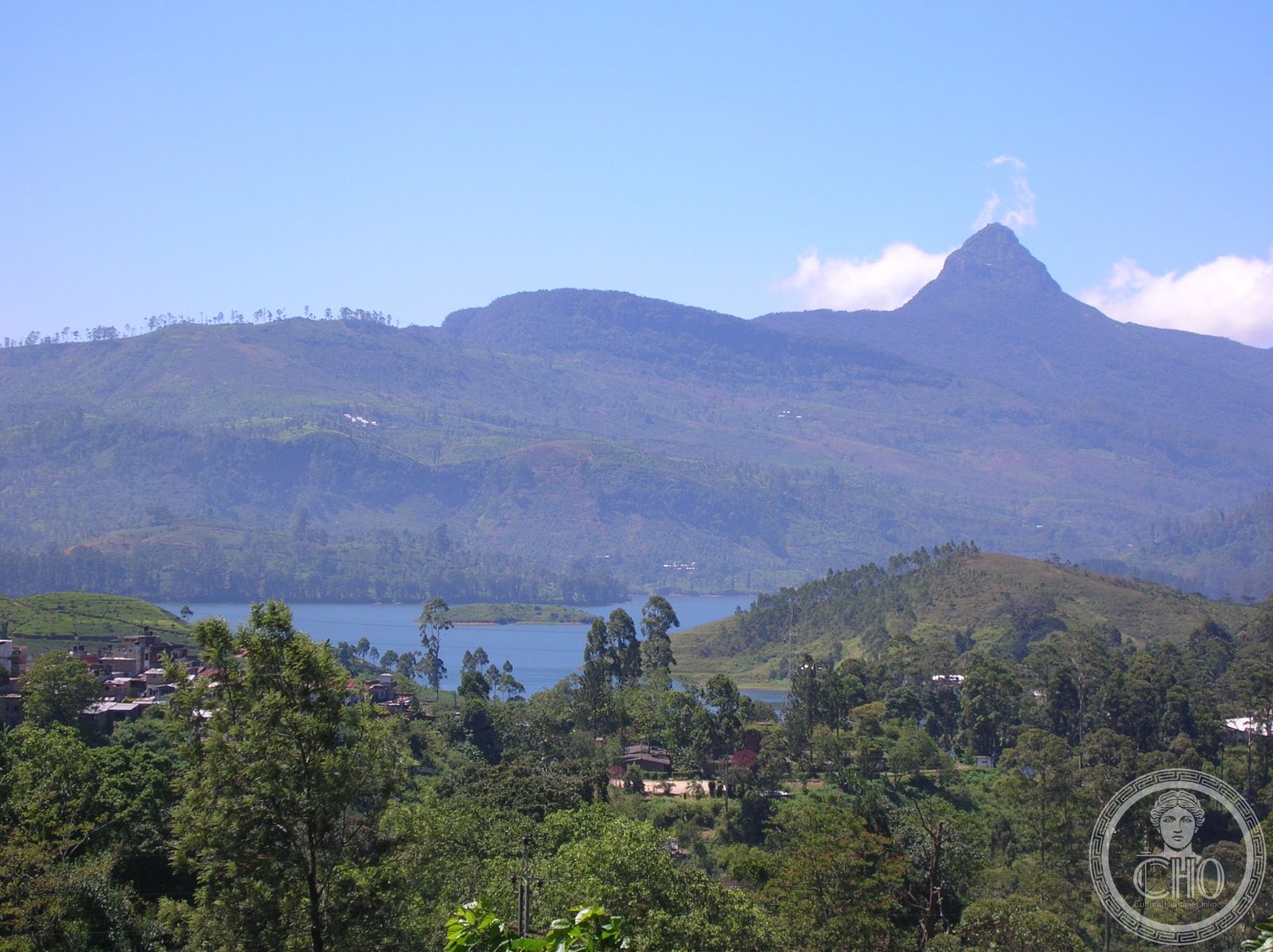
A tropical rainforest reserve protecting 224 square kilometers of Sri Lanka’s montane wilderness, encompassing part of the sacred Adam’s Peak mountain and the headwaters of three major river systems.
At a glance
Peak Wilderness Sanctuary ranks as Sri Lanka’s third-largest wildlife reserve. The forest spans elevations from 300 to 2,240 meters, creating a landscape of unusual geographical formations including steep peaks, waterfalls, and river gorges. Two of the three main pilgrimage routes to Adam’s Peak traverse the sanctuary, making it integral to Sri Lanka’s spiritual and ecological heritage.
History
During British colonial rule (1815–1948), vast portions of the original Peak Wilderness forest were cleared to establish tea estates in the Nuwara Eliya district—agricultural operations that continue today. The remaining forest was formally designated a wildlife sanctuary on October 25, 1940. The reserve now operates under the management of Sri Lanka’s Wildlife Conservation Department.
What you see
The sanctuary encompasses several prominent peaks, notably Bena Samanala at 2,005 meters. The landscape features dramatic waterfalls including Galagama Falls (200 meters) and Mapanana Falls (100 meters), alongside Dotalu and Geradi falls. River valleys carve through the forest, with the Kelani, Kalu, and Walave rivers originating within the sanctuary boundaries, along with tributaries feeding the larger Mahaweli system.
Cultural significance
Peak Wilderness functions as both a spiritual and ecological threshold. Buddhist devotees and other pilgrims traverse the sanctuary on routes to Adam’s Peak, one of South Asia’s most sacred mountains. The forest itself represents one of Sri Lanka’s few surviving tropical rainforest ecosystems in the central highlands, essential for watershed protection and biodiversity conservation across the island.
Key facts
- Location: Central Highlands, Sri Lanka (6.81°N, 80.48°E)
- Area: 224 square kilometers (86 square miles)
- Elevation range: 300–2,240 meters above sea level
- Designated: October 25, 1940
- Rank: Third-largest of 50 sanctuaries in Sri Lanka
Practical information & getting there
Access to Peak Wilderness requires permission from Sri Lanka’s Wildlife Conservation Department; the sanctuary maintains no lodges or tourist facilities to preserve forest integrity. Two of three Adam’s Peak pilgrimage routes (Kuruwita and Palabaddala) cross the sanctuary. Visit during the dry season; rain-season travel risks sudden flooding and dangerous conditions. The sanctuary welcomes eco-tourists with proper authorization.
Sources & resources
Find it on the map
See this place and what’s around it →📷 Become a Cultural Heritage Online photographer
Share your photos of places: they stay published under your name as the author. The more they're seen, the more you get noticed — and soon a contest will reward the most appreciated photos.
Log in or sign up free to add a photoIs this page about you?
This page is read by travellers and heritage enthusiasts who find it on Google. Tell us how you are connected to this place and we will take it from there.