
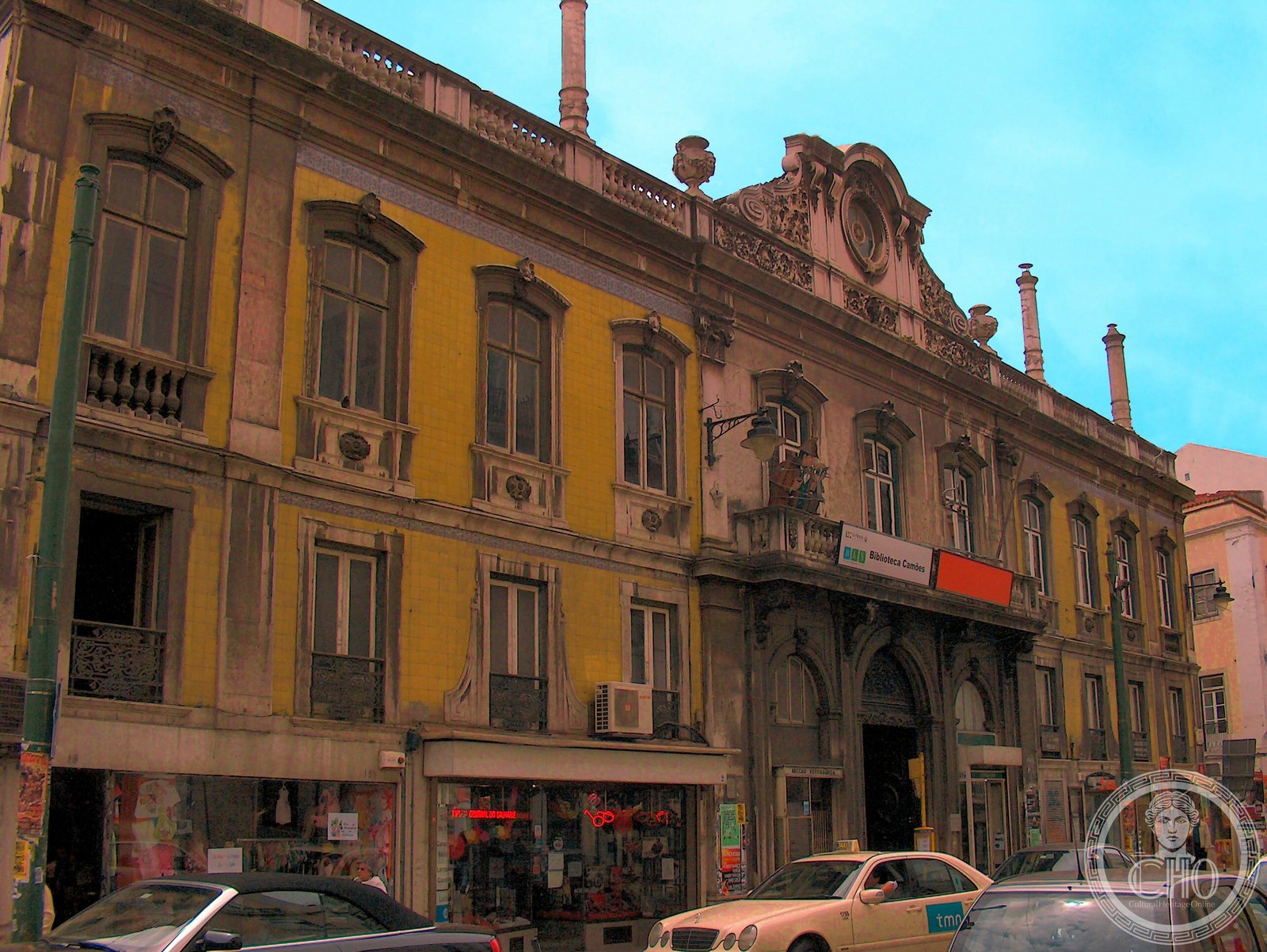
A Portuguese Renaissance estate that reveals the domestic architecture and aristocratic taste of sixteenth-century Lisbon.
At a glance
The Palace of the Counts of Azambuja stands as a testament to Portuguese wealth and refinement during the Renaissance. Also known as the Palace Valada-Azambuja, this manorhouse occupies a significant place in Lisbon’s architectural heritage. Its survival speaks to the enduring appeal of residential estates from the era of global Portuguese expansion.
History
Built in the sixteenth century, the palace emerged during Portugal’s golden age of maritime power and colonial trade. The structure reflects the aspirations of the Azambuja family, members of the Portuguese nobility whose influence extended across the empire. The alternative name Valada-Azambuja suggests connections between noble houses that shaped its ownership and legacy.
What you see
The building exemplifies the manorhouse tradition of Renaissance Portugal. Its design balances domestic comfort with aristocratic display, a hallmark of sixteenth-century Portuguese estates. The palace demonstrates the architectural conventions of the period, incorporating elements suited to the climate and customs of Lisbon.
Cultural significance
The palace represents a crucial chapter in Lisbon’s urban history. As a surviving Renaissance residence, it documents the everyday world of the Portuguese nobility—their spatial needs, aesthetic preferences, and social position. The building remains an important reference for understanding domestic architecture beyond royal and religious monuments.
Key facts
- Country: Portugal
- City: Lisbon (civil parish of Misericórdia)
- Period: 16th century
- Coordinates: 38.71083333, −9.14611111
Practical information & getting there
The palace is located in the Misericórdia district of central Lisbon. Check local visitor resources for current opening hours and access arrangements, as privately held historic properties may have restricted visiting times.
Sources & resources
Find it on the map
See this place and what’s around it →📷 Become a Cultural Heritage Online photographer
Share your photos of places: they stay published under your name as the author. The more they're seen, the more you get noticed — and soon a contest will reward the most appreciated photos.
Log in or sign up free to add a photoIs this page about you?
This page is read by travellers and heritage enthusiasts who find it on Google. Tell us how you are connected to this place and we will take it from there.