
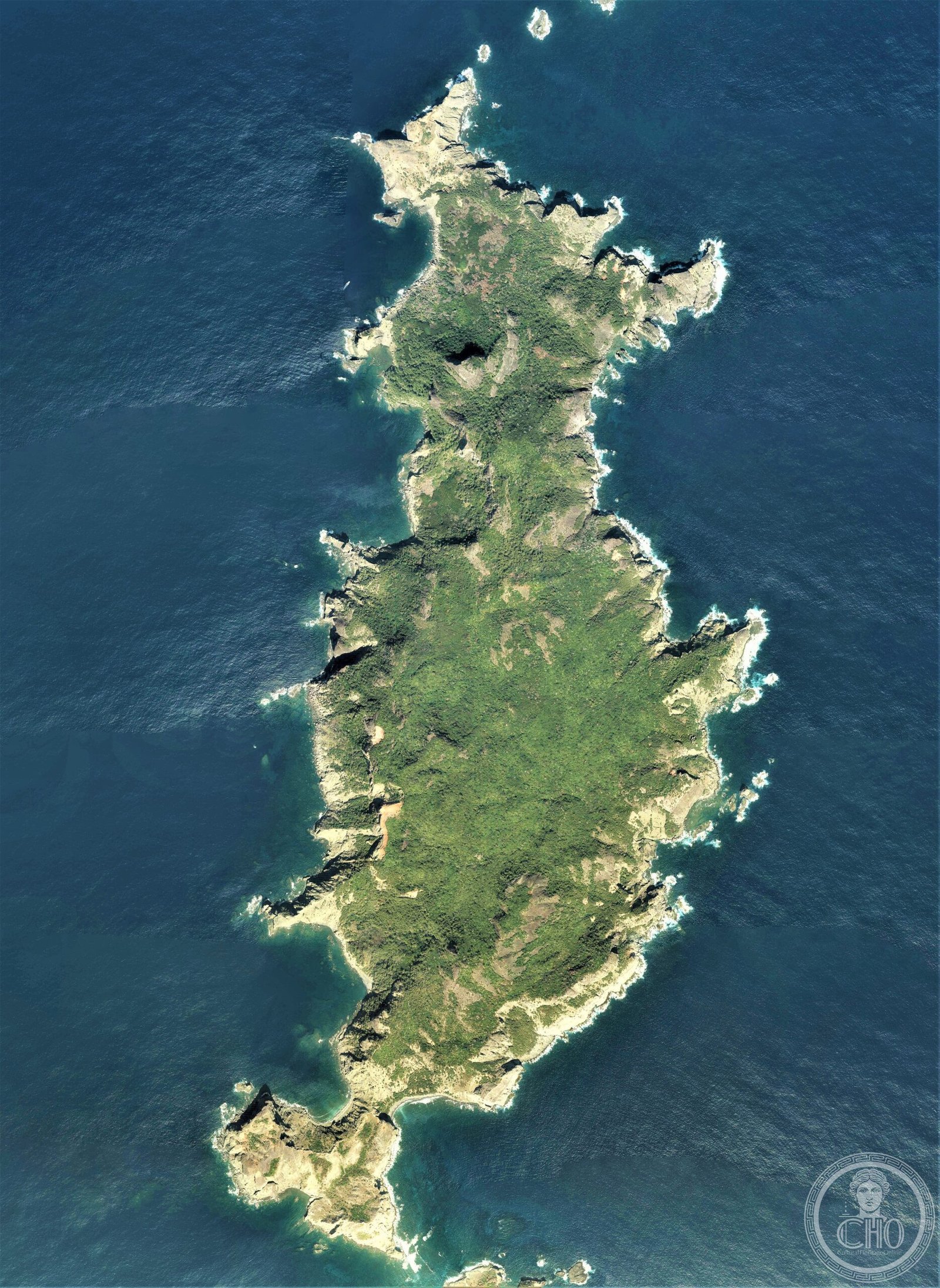
An uninhabited island in the Chichijima archipelago, abandoned since 1944 and closed to the public.
At a glance
Otōtojima—the name means Younger Brother Island—is a small, inaccessible isle within Japan’s remote Ogasawara Islands. Once home to a modest population, it has remained deserted for decades and is off-limits to tourists.
History
Between 50 and 100 people inhabited Otōtojima during Japan’s Meiji and Taishō eras, establishing a small community on the island. The settlement was deserted in 1944, marking the end of permanent human habitation.
What you see
No public access is permitted to the island, limiting documented information about its current state and any remaining structures.
Cultural significance
Otōtojima represents a chapter in the settlement history of Japan’s Ogasawara Islands, which lie some 1,000 kilometers south of Tokyo. The island’s abandonment reflects broader patterns of isolation and wartime disruption in the Pacific archipelago.
Key facts
- Location: Chichijima archipelago, Ogasawara Islands, Japan
- Coordinates: 27.1667°N, 142.1917°E
- Peak population: 50–100 residents (Meiji–Taishō eras)
- Abandoned: 1944
- Access: Closed to the public
Practical information & getting there
Otōtojima is not open to tourists. The Ogasawara Islands are reached by ferry from Tokyo, but this remote island remains restricted from public visitation.
Sources & resources
Find it on the map
See this place and what’s around it →📷 Become a Cultural Heritage Online photographer
Share your photos of places: they stay published under your name as the author. The more they're seen, the more you get noticed — and soon a contest will reward the most appreciated photos.
Log in or sign up free to add a photoIs this page about you?
This page is read by travellers and heritage enthusiasts who find it on Google. Tell us how you are connected to this place and we will take it from there.