
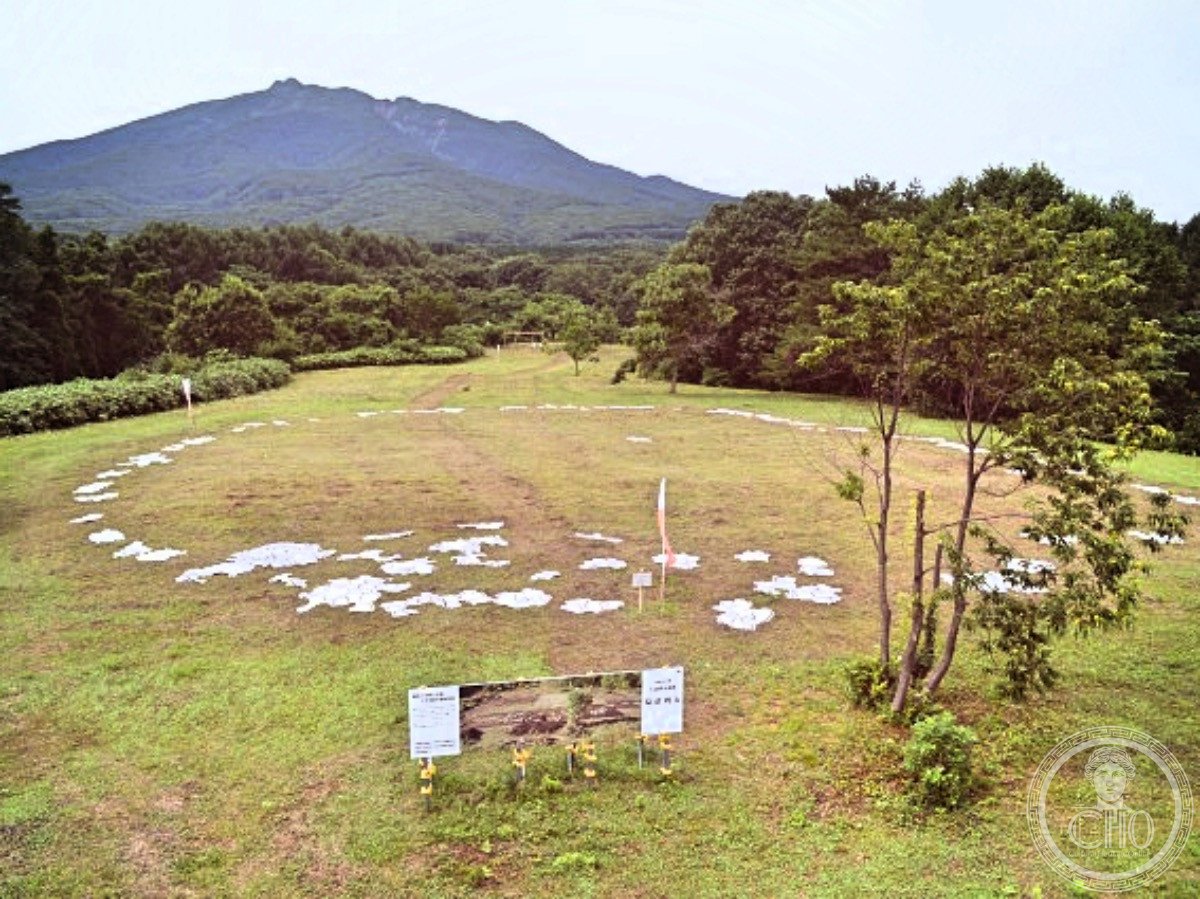
An archaeological site preserving the remains of a late Jōmon period settlement in northern Japan, designated a National Historic Site in 2012.
At a glance
The Ōmori Katsuyama Site documents life during the late Jōmon period, one of Japan’s earliest cultural phases. Located in Hirosaki, Aomori Prefecture, the site reveals settlement patterns and daily practices of hunter-gatherer communities in the Tōhoku region approximately 3,500 years ago.
History
The settlement dates to the late Jōmon period, between approximately 2000 and 1500 BC. Archaeological investigation and preservation led to its designation as a National Historic Site by the Japanese government in 2012, recognizing its significance for understanding early Japanese prehistory.
What you see
The site contains ruins of a late Jōmon settlement. Excavated remains provide material evidence of habitation and daily life during this formative period of Japanese prehistory.
Cultural significance
The Ōmori Katsuyama Site contributes essential knowledge about the Jōmon period, Japan’s longest cultural phase, characterized by hunter-gatherer economies and early pottery traditions. Settlement remains help archaeologists understand social organization, subsistence practices, and regional variation across the Tōhoku region during this era.
Key facts
- Country: Japan
- City: Hirosaki, Aomori Prefecture
- Period: Late Jōmon (c. 2000–1500 BC)
- Designation: National Historic Site (2012)
- Coordinates: 40.6989°N, 140.3583°E
Practical information & getting there
The site is located in Hirosaki, a city in Aomori Prefecture in the Tōhoku region of northern Japan. Further details about access and visiting arrangements are available through local tourism resources and the Hirosaki municipal authority.
Sources & resources
Find it on the map
See this place and what’s around it →📷 Become a Cultural Heritage Online photographer
Share your photos of places: they stay published under your name as the author. The more they're seen, the more you get noticed — and soon a contest will reward the most appreciated photos.
Log in or sign up free to add a photoIs this page about you?
This page is read by travellers and heritage enthusiasts who find it on Google. Tell us how you are connected to this place and we will take it from there.