
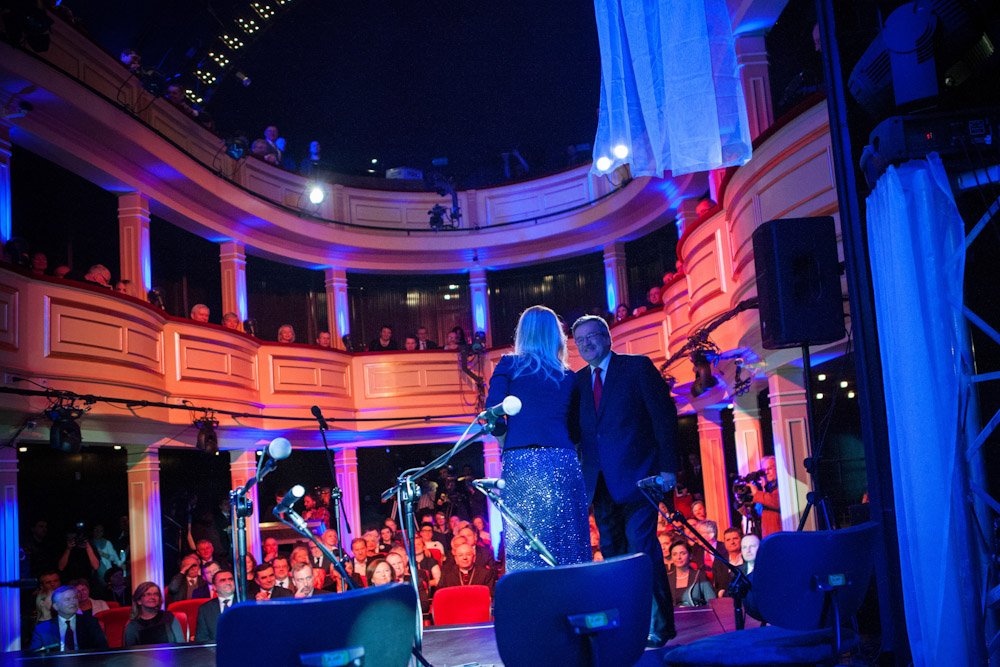
An impresario theater that opened in 1822, the Old Theatre in Lublin has served as a cultural anchor for drama, opera, and cinema across two centuries.
At a glance
Lublin’s oldest theater, established in the early 19th century as a venue for professional drama and opera. The building adapted its programming over time to include cinema in the 20th century, reflecting evolving entertainment tastes.
History
The Old Theatre opened its doors in 1822, initially housing both the Lublin Drama and Opera Stages. Throughout the 20th century, it expanded its offerings to accommodate cinema, establishing itself as a multipurpose cultural institution. The theater has remained a significant venue in Lublin’s cultural landscape for over two centuries.
What you see
An impresario theater from the early 19th century, the building retains the character of its era while reflecting practical modifications made during its operational history.
Cultural significance
The Old Theatre represents Lublin’s commitment to theatrical and cultural programming from the early 1800s onward. Its longevity as a performance venue—spanning drama, opera, and cinema—demonstrates the evolution of public entertainment in Central Europe.
Key facts
- Established: 1822
- Location: Lublin, Poland
- Coordinates: 51.2474, 22.5692
- Original function: Drama and Opera Stages
- 20th-century addition: Cinema
Practical information & getting there
The Old Theatre is located in central Lublin. For current visiting hours, performance schedules, and admission details, contact the venue directly or check local tourism resources in Lublin.
Sources & resources
Find it on the map
See this place and what’s around it →📷 Become a Cultural Heritage Online photographer
Share your photos of places: they stay published under your name as the author. The more they're seen, the more you get noticed — and soon a contest will reward the most appreciated photos.
Log in or sign up free to add a photoIs this page about you?
This page is read by travellers and heritage enthusiasts who find it on Google. Tell us how you are connected to this place and we will take it from there.