
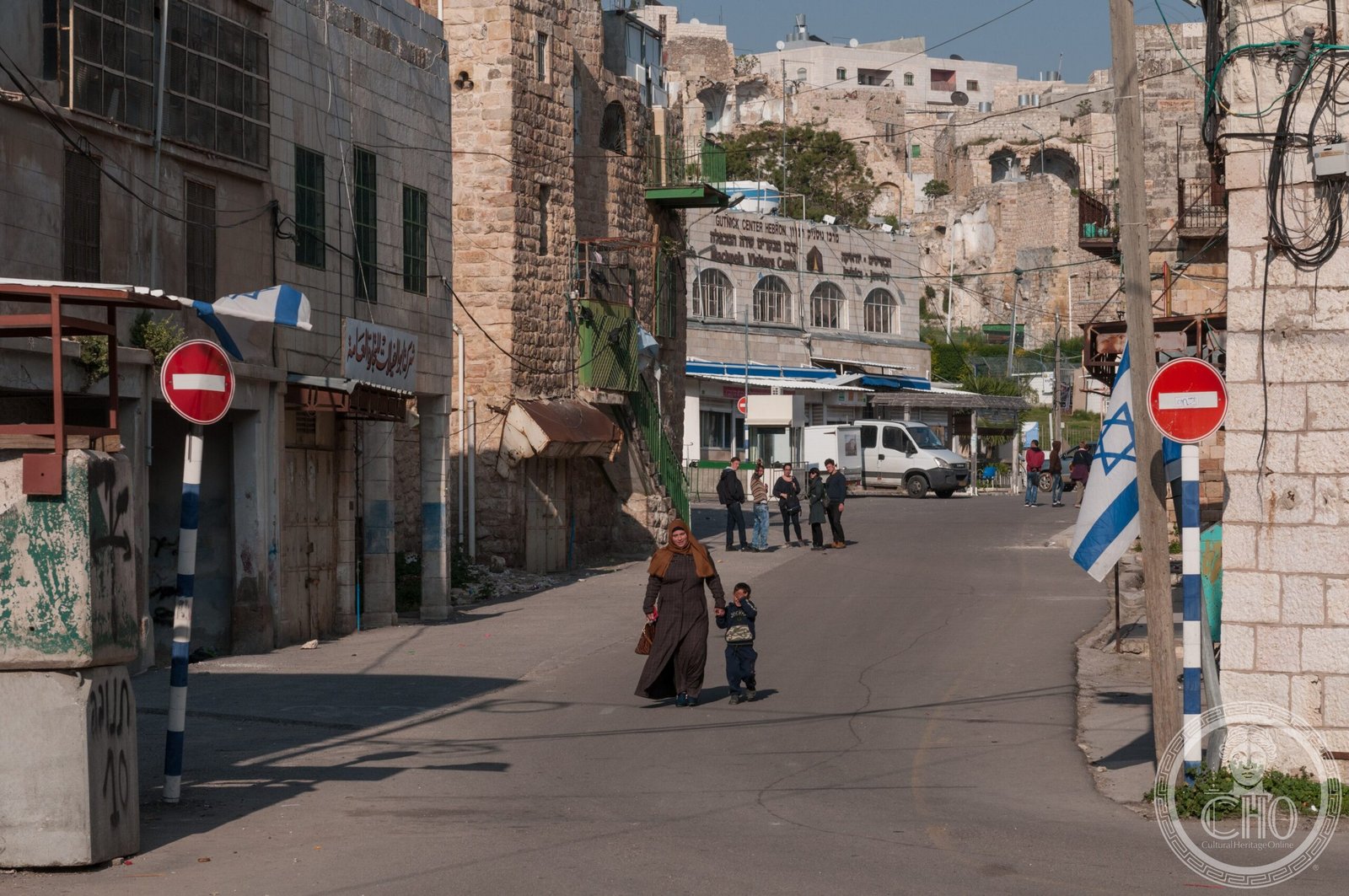
The historic heart of Hebron, built around the Cave of the Patriarchs, stands as a multilayered testament to three millennia of habitation and spiritual significance for Judaism, Christianity, and Islam.
At a glance
The Old City of Hebron occupies the center of one of the world’s oldest continuously inhabited settlements. Its urban fabric developed during Greek or Roman times, around the 3rd to 1st centuries BCE, though the broader Hebron site has much deeper roots. The Old City became the dominant settlement hub during the Abbasid Caliphate, which began circa 750 CE, and remains an enduring focal point of religious pilgrimage and historical study.
History
Archaeological evidence suggests that ancient Hebron originally developed at Tel Rumeida, approximately 200 meters west of the present Old City, where it functioned as a Canaanite settlement in antiquity. The current Old City emerged as a planned urban center during the Greek or Roman period, between the 3rd and 1st centuries BCE. Its ascendancy as the primary settlement within the broader Hebron region came during the Abbasid Caliphate, transforming it into a major center of commerce and pilgrimage that has endured through subsequent centuries.
What you see
The Old City’s layout radiates from the Cave of the Patriarchs, the defining landmark that anchors both its physical and spiritual geography. The streets, markets, and structures reflect centuries of urban development and cultural layering. Stone architecture predominates, with narrow lanes characteristic of historic Levantine cities.
Cultural significance
The Cave of the Patriarchs—the traditional burial place of Abraham, Isaac, Jacob, and the biblical Matriarchs—makes the Old City one of the world’s most sacred sites. Jews, Christians, and Muslims venerate this location, each drawing on distinct scriptural and theological traditions. UNESCO recognized the Old City as the third World Heritage Site in the State of Palestine in 2017, affirming its outstanding universal value. The site remains deeply significant in contemporary Israeli–Palestinian affairs, serving as a focal point for competing claims and ongoing tensions.
Key facts
- Country: Palestine
- Coordinates: 31.5253°N, 35.1083°E
- UNESCO World Heritage Site: Yes (inscribed 2017)
- Ancient predecessor: Tel Rumeida (circa 200 meters west)
- Settlement periods: Canaanite, Greek–Roman, Abbasid and later
Practical information & getting there
The Old City of Hebron is located in the West Bank. Access and visiting conditions are subject to local political circumstances and security considerations. Visitors should consult current travel advisories and arrange visits through established cultural organizations or official guides familiar with the site’s sensitivities.
Sources & resources
Find it on the map
See this place and what’s around it →📷 Become a Cultural Heritage Online photographer
Share your photos of places: they stay published under your name as the author. The more they're seen, the more you get noticed — and soon a contest will reward the most appreciated photos.
Log in or sign up free to add a photo