
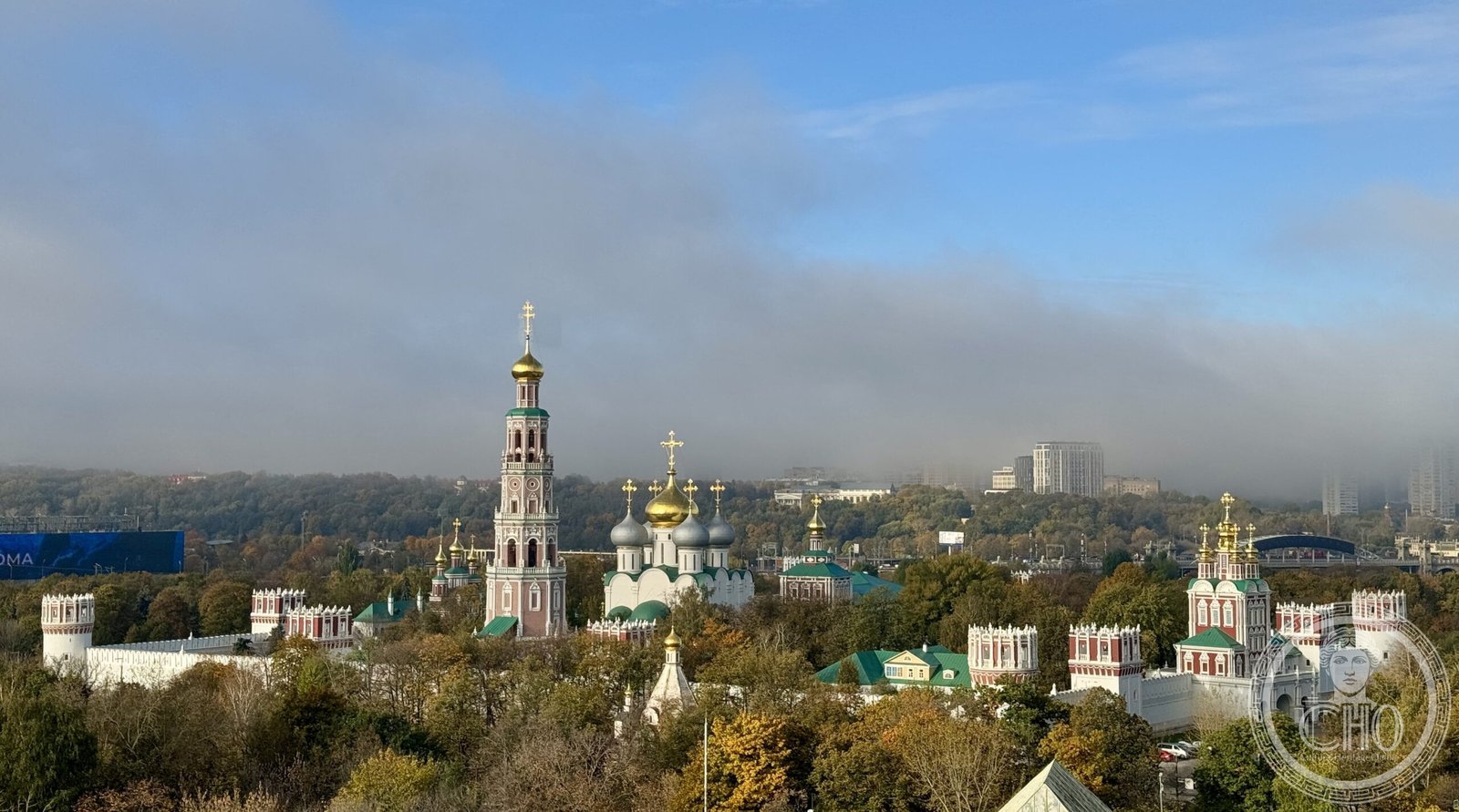
Founded by Grand Duke Vasily III to commemorate the capture of Smolensk, this monastery remains Moscow’s most celebrated cloister and one of the few to survive virtually intact since the 17th century.
At a glance
Novodevichy Convent, also known as the Bogoroditse-Smolensky Monastery, was established to distinguish itself from the Old Maidens’ Monastery within the Moscow Kremlin. The name translates as the New Maidens’ Monastery. Its exceptional preservation through four centuries of Russian history makes it a rare architectural survivor.
History
Grand Duke Vasily III founded the convent on May 13, 1524, as an act of gratitude for the Russian capture of Smolensk in 1514. The monastery was dedicated to the Smolensk Icon of the Mother of God “Hodegetria,” the primary sacred shrine of Smolensk. Unlike other Moscow cloisters, Novodevichy escaped the destruction and radical alteration that affected so many religious communities during subsequent centuries. In 2004, UNESCO recognized it as a World Heritage Site.
What you see
The convent’s architectural coherence reflects its fortunate history. Its structures have endured largely unaltered since the 17th century, allowing visitors to experience a well-preserved ensemble from Moscow’s monastic past.
Cultural significance
Novodevichy holds a distinctive place in Moscow’s religious and architectural heritage. Its survival as a virtually intact complex from the 17th century onward distinguishes it among Russian monasteries. The convent embodies both the piety of its founding period and the architectural traditions of medieval Moscow.
Key facts
- Founded: May 13, 1524
- Founder: Grand Duke Vasily III
- Country: Russia
- City: Moscow
- Coordinates: 55.7261, 37.5561
- UNESCO World Heritage Site: yes (2004)
Practical information & getting there
Detailed visitor information and access instructions are available through standard Moscow tourism resources and the UNESCO World Heritage Centre database.
Sources & resources
Find it on the map
See this place and what’s around it →📷 Become a Cultural Heritage Online photographer
Share your photos of places: they stay published under your name as the author. The more they're seen, the more you get noticed — and soon a contest will reward the most appreciated photos.
Log in or sign up free to add a photoIs this page about you?
This page is read by travellers and heritage enthusiasts who find it on Google. Tell us how you are connected to this place and we will take it from there.