

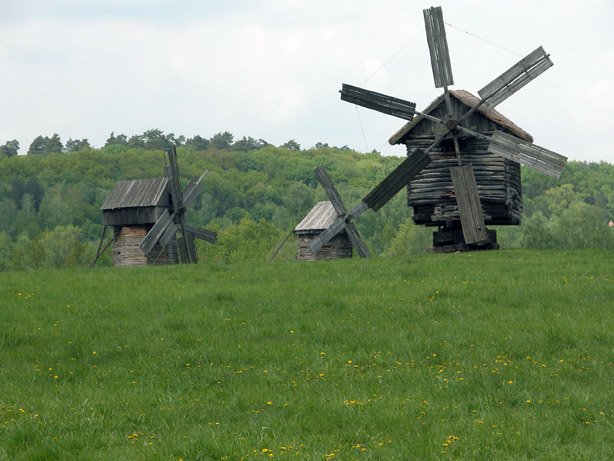
An expansive open-air museum preserving the regional architecture, material culture, and vernacular traditions across Ukraine’s historical ethnographic zones.
At a glance
Located in the Pyrohiv neighbourhood of Kyiv’s Holosiivskyi District, this 133.5-hectare museum presents an immersive landscape of traditional Ukrainian dwellings, farm buildings, and domestic spaces. Rather than a conventional museum, it functions as a living archive—an architectural and ethnographic complex where visitors encounter regional folkways through authentic structures and their material contexts.
History
Established to document and preserve Ukraine’s diverse regional cultures, the museum represents a scholarly commitment to ethnographic study and architectural conservation. Its scope encompasses the major historical and cultural zones of the country, translating academic understanding into tangible, walkable space.
What you see
The museum’s layout mirrors Ukraine’s geography and cultural divisions. Visitors encounter timber-frame houses, wooden churches, granaries, mills, and seasonal dwellings typical of different regions—from the Carpathian highlands to the steppe. Each structure retains period furnishings and tools, illustrating domestic life, agricultural practice, and regional craft traditions across centuries.
Cultural significance
The museum stands as a vital repository of Ukrainian folk heritage at a time of rapid urbanization and cultural change. By preserving and displaying regional vernacular architecture and folkways, it safeguards knowledge of traditional livelihoods, building techniques, and social customs. The site functions equally as a research institution and public classroom in Ukrainian cultural identity.
Key facts
- Country: Ukraine
- City: Kyiv
- Area: 133.5 hectares
- Address: 1 Akademika Tronka Street, Pyrohiv, Holosiivskyi District
- Coordinates: 50.35453889, 30.51223056
Practical information & getting there
The museum is situated within Kyiv’s city limits, accessible by public transport and personal vehicle. As an open-air site spread across extensive grounds, plan for several hours to explore the major regional sections. Check current opening hours and any seasonal closures before visiting.
Sources & resources
Find it on the map
See this place and what’s around it →📷 Become a Cultural Heritage Online photographer
Share your photos of places: they stay published under your name as the author. The more they're seen, the more you get noticed — and soon a contest will reward the most appreciated photos.
Log in or sign up free to add a photoIs this page about you?
This page is read by travellers and heritage enthusiasts who find it on Google. Tell us how you are connected to this place and we will take it from there.