
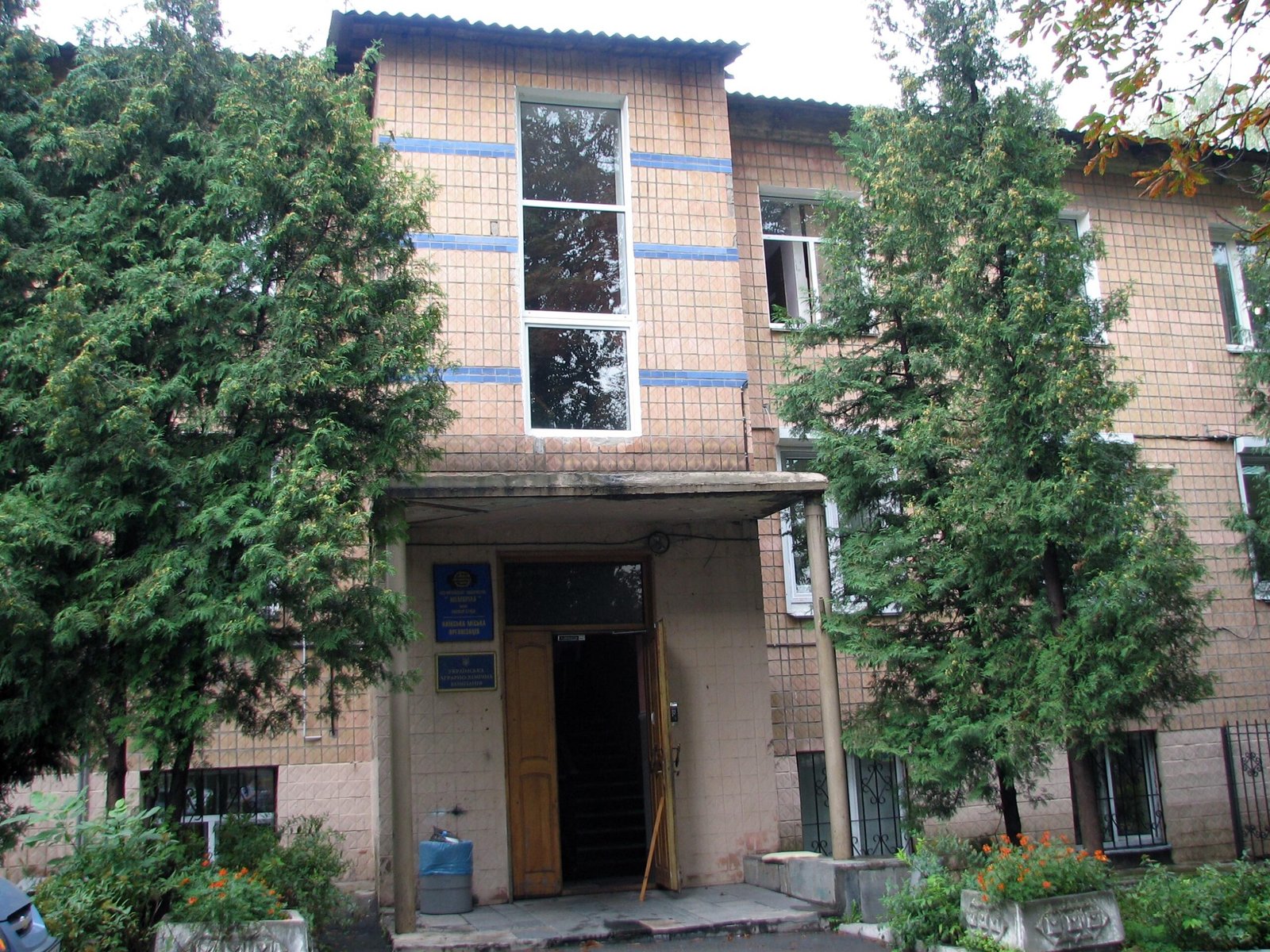
A Kyiv museum documenting Soviet crimes in Ukraine across seven decades of occupation and ideological repression.
At a glance
The Museum of Soviet Occupation examines the Soviet regime’s impact on Ukraine from 1917 to 1991. Its collection and exhibitions trace political persecution, forced collectivization, purges, and cultural suppression across the twentieth century.
History
The museum was established in November 2001 by the Vasyl Stus branch of Memorial Society. It opened initially as an exhibition titled “Not to be forgotten: The Chronicle of Communist inquisition.” Over the following six years, the exposition expanded into a comprehensive museum institution. On May 30, 2007, it formally received its current name.
What you see
The museum’s exhibitions present historical documentation, archival materials, and artifacts related to Soviet rule and resistance in Ukraine. Specific architectural or curatorial details are limited in available sources.
Cultural significance
The museum serves as a memorial to victims of Soviet oppression and as an educational resource on a complex period in Ukrainian history. It represents efforts to preserve and contextualize experiences of occupation for contemporary and future generations.
Key facts
- Country: Ukraine
- City: Kyiv
- Founded: November 2001
- Current name established: May 30, 2007
- Coordinates: 50.39384722°N, 30.50493889°E
Sources & resources
Find it on the map
See this place and what’s around it →📷 Become a Cultural Heritage Online photographer
Share your photos of places: they stay published under your name as the author. The more they're seen, the more you get noticed — and soon a contest will reward the most appreciated photos.
Log in or sign up free to add a photoIs this page about you?
This page is read by travellers and heritage enthusiasts who find it on Google. Tell us how you are connected to this place and we will take it from there.