
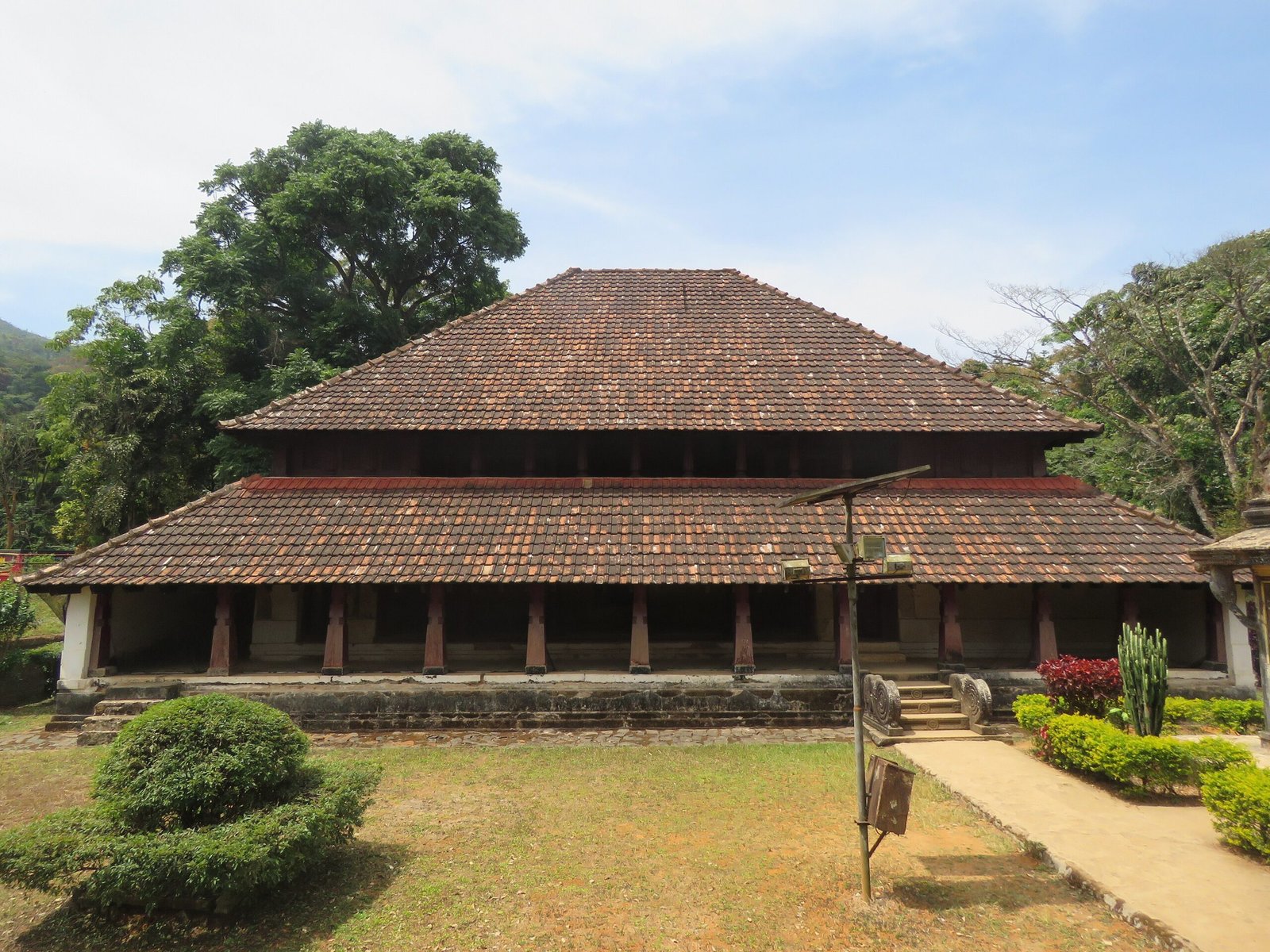
Nalknad Palace
A late 18th-century royal residence that sheltered the last independent king of Kodagu before British rule transformed the region.
At a glance
Nalknad Palace stands as a physical emblem of Kodagu’s final years of autonomy. Built between 1792 and 1794, the structure served as the last refuge of Chikka Veerarajendra, the final ruler of the Haleri dynasty, before his deposition by the British. The palace occupies the landscape near Yavakapadi village in what is now the Kodagu district of Karnataka.
History
Construction of the palace occurred during the twilight of Haleri rule in Kodagu. Chikka Veerarajendra, the last of the Haleri kings, took refuge within these walls as British colonial power consolidated control over southern India. The palace thus marks a threshold moment—the end of indigenous sovereignty and the beginning of foreign administration in the region.
What you see
The palace represents late-18th-century construction techniques and design principles of the period. Architectural details reflect the era in which it was built, though the specific stylistic features are best observed during a visit to the site itself.
Cultural significance
Nalknad Palace embodies the historical transition of Kodagu from independent kingdom to British territory. The structure carries symbolic weight as the last stronghold of native royal authority. The palace has also attracted modern cultural interest: the Kannada film Shanti, notable for featuring only a single actor, was filmed in the surroundings of the palace.
Key facts
- Country: India
- Location: Kodagu district, Karnataka; near Yavakapadi village
- Coordinates: 12.243°N, 75.702°E
- Built: 1792–1794
- Last resident: Chikka Veerarajendra, final Haleri king
Practical information & getting there
The palace is located in the Kodagu district of Karnataka. For specific visiting hours, entry fees, and current access conditions, contact local tourism authorities or check regional heritage resources before planning your visit.
Sources & resources
Find it on the map
See this place and what’s around it →📷 Diventa un fotografo di Cultural Heritage Online
Condividi le tue foto dei luoghi: restano pubblicate con la tua firma come autore. Più vengono viste, più ti fai conoscere — e presto un concorso premierà le foto più apprezzate.
Accedi o registrati gratis per aggiungere una fotoDo you manage this place?
This page is read by travellers and heritage enthusiasts who find it on Google. Keep it accurate — and make it work for you. Free for non-profit heritage institutions.