

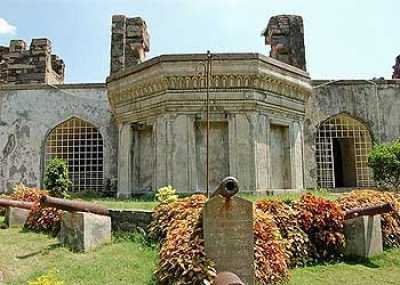
A medieval stronghold in Andhra Pradesh that evolved from a leisure retreat into a military installation, bearing the marks of successive dynasties from Reddi rulers to British occupation.
At a glance
Kondapalli Fort stands west of the town of Kondapalli in NTR district. Built as a dual-purpose structure—leisure residence and commercial hub—it transformed over centuries into a strategic military training base under British administration.
History
The fort was built during the 14th century CE by Prolaya Vema Reddy of the Reddi Kingdom. Historical sources vary on the precise date; some scholars attribute construction to 1360 CE under Anna Vema Reddy, who conquered the site from the Mudigonda Chalukyas.
Kondapalli’s ownership shifted across dynasties. Reddi rulers held it initially, followed by the Gajapati dynasty. The Nizam Nawabs later controlled the fort before the East India Company assumed administration, repurposing it as a military training facility.
Cultural significance
Kondapalli Fort documents the political fragmentation of medieval South India, where regional kingdoms competed for control of commercial and strategic nodes. Its evolution reflects patterns of succession and colonial reuse across the subcontinent.
Key facts
- Country: India
- State: Andhra Pradesh
- District: NTR
- Mandal: Ibrahimpatnam
- Coordinates: 16.625283, 80.530667
- Founded: 14th century CE
- Builder: Prolaya Vema Reddy (Reddi Kingdom); alternatively attributed to Anna Vema Reddy (c. 1360 CE)
Practical information & getting there
The fort is located west of Kondapalli town in NTR district. For current opening hours, admission fees, and accessibility details, consult local tourism resources or the Andhra Pradesh tourism authority.
Sources & resources
Find it on the map
See this place and what’s around it →📷 Become a Cultural Heritage Online photographer
Share your photos of places: they stay published under your name as the author. The more they're seen, the more you get noticed — and soon a contest will reward the most appreciated photos.
Log in or sign up free to add a photoIs this page about you?
This page is read by travellers and heritage enthusiasts who find it on Google. Tell us how you are connected to this place and we will take it from there.