

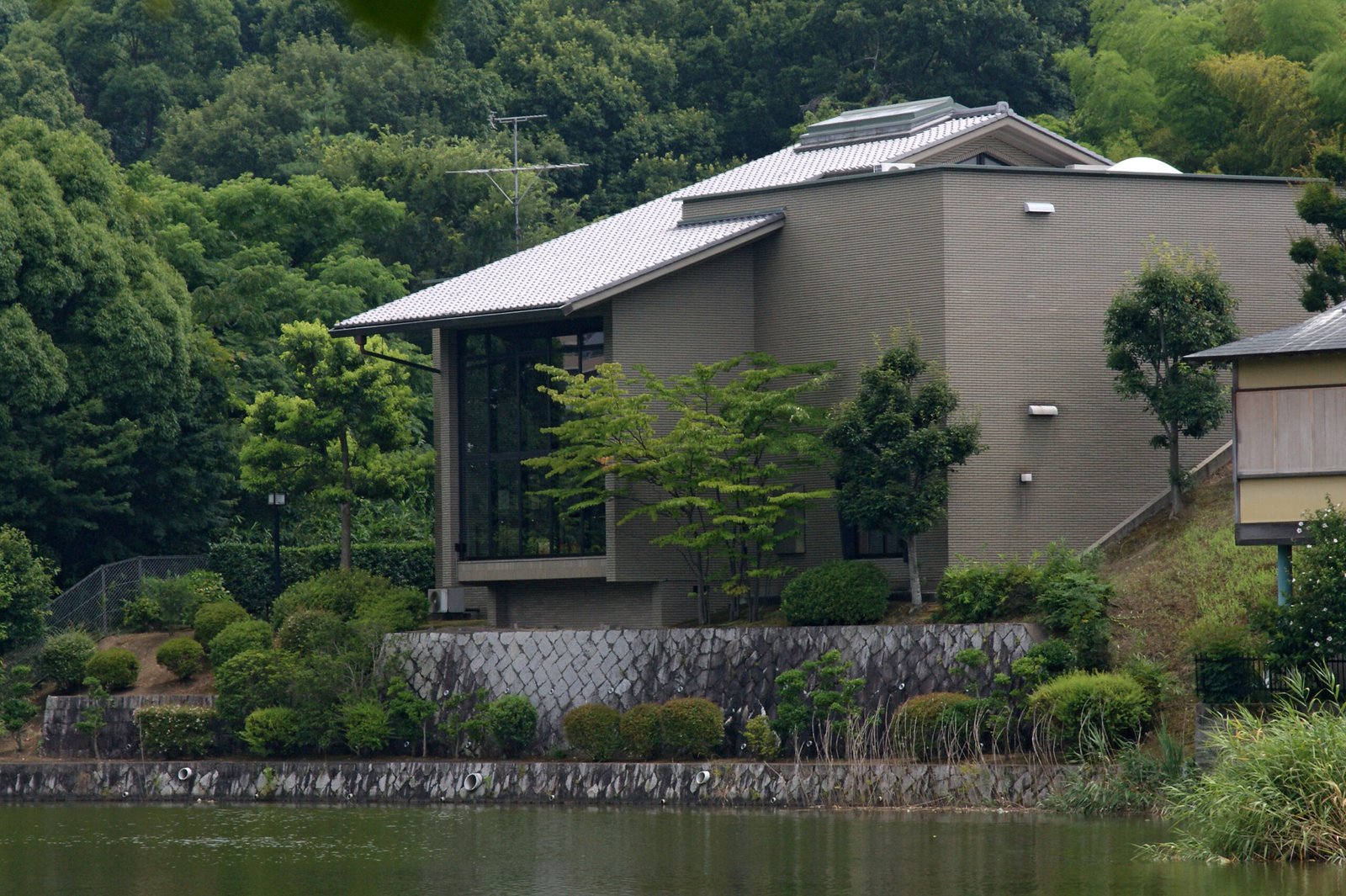
A modern art museum in Nara housing a carefully curated collection of Japanese painting, sculpture, and prints assembled by collector Nakano Kanji.
At a glance
Nakano Museum of Art opens a window onto Japan’s artistic development during the modernizing decades of the Meiji, Taishō, and Shōwa periods. Positioned across Kaerumata Pond from the Yamato Bunkakan, the museum displays works in both yōga (Western-style painting) and nihonga (traditional ink painting), alongside sculpture and copper-plate engravings.
History
The museum was established in 1984 as a dedicated space for the art collection assembled by Nakano Kanji, a significant patron and collector of modern Japanese art. The choice of location—across the pond from the established Yamato Bunkakan—situates it within Nara’s cultural landscape of museums and heritage institutions.
What you see
The permanent collection spans the aesthetic and technical range of early Japanese modernism. Works by Asai Chū and Yokoyama Taikan represent the nihonga tradition, while Kishida Ryūsei and Suda Kunitarō exemplify the yōga movement’s engagement with Western techniques. Nakamura Tsune’s work further illustrates the period’s artistic currents. Copper-plate engravings complete a collection that emphasizes printmaking as a major medium of the era.
Cultural significance
The Nakano Museum documents a crucial moment in Japanese artistic history—the period when traditional forms and Western influences coexisted and merged. The collection reflects how collectors like Nakano Kanji shaped the preservation and valuation of modern Japanese art during the twentieth century.
Key facts
- Country: Japan
- City: Nara
- Year opened: 1984
- Coordinates: 34.694234, 135.755945
Practical information & getting there
The museum is located in Nara across Kaerumata Pond from the Yamato Bunkakan. For current opening hours, admission fees, and exhibition details, consult the museum’s official sources or contact Nara’s tourism office.
Sources & resources
Find it on the map
See this place and what’s around it →📷 Become a Cultural Heritage Online photographer
Share your photos of places: they stay published under your name as the author. The more they're seen, the more you get noticed — and soon a contest will reward the most appreciated photos.
Log in or sign up free to add a photoIs this page about you?
This page is read by travellers and heritage enthusiasts who find it on Google. Tell us how you are connected to this place and we will take it from there.