
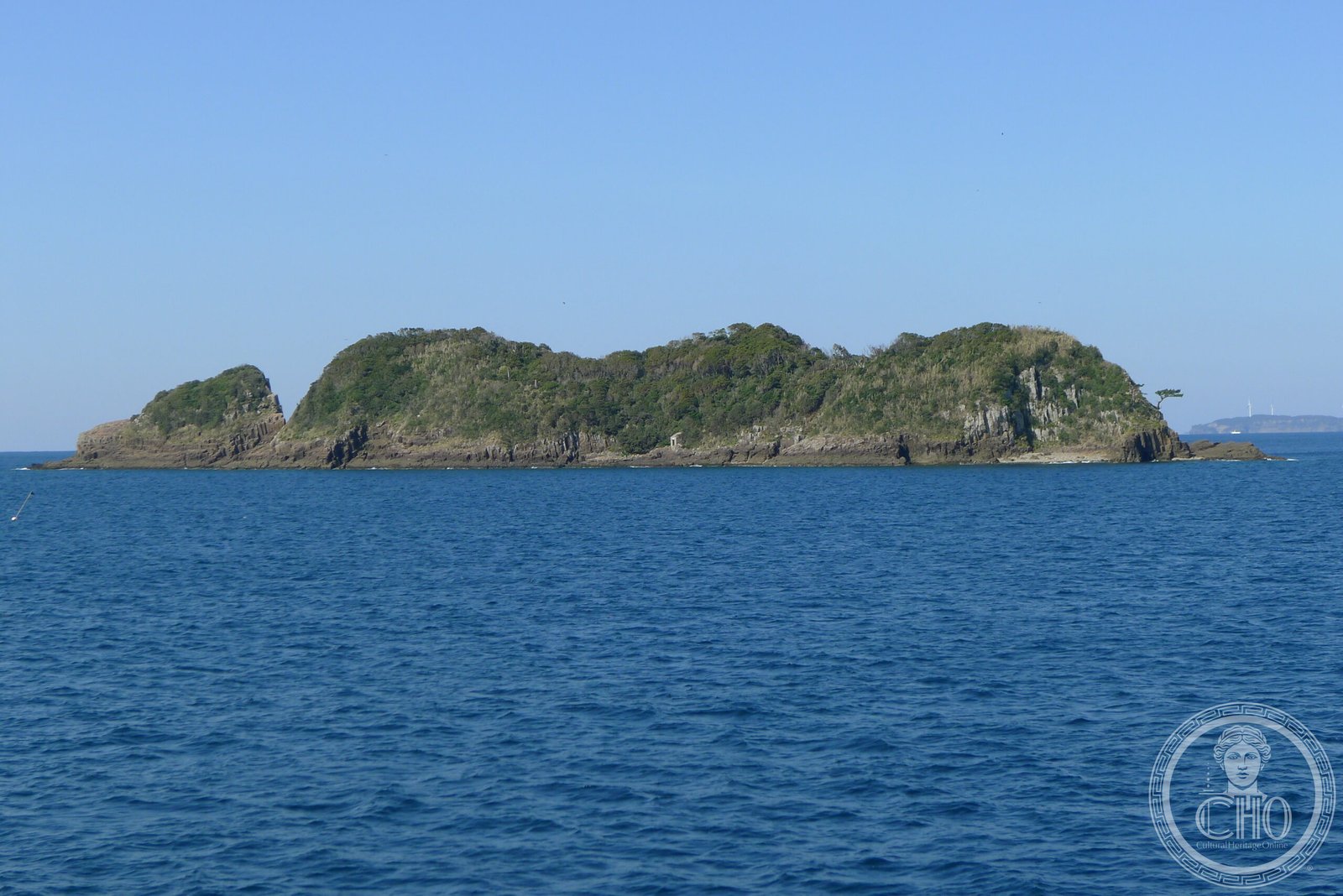
An uninhabited island off the coast of Hirado where Japanese Christians were martyred during Japan’s period of Christian persecution, now a UNESCO World Heritage Site closed to the public.
At a glance
Nakaenoshima lies 2 kilometres off the coast of Hirado in the East China Sea. The small, uninhabited island carries profound historical weight as a site of Christian martyrdom during one of history’s longest religious prohibitions.
History
During Japan’s comprehensive ban on Christianity, many Japanese Christians were martyred on the island. These executions were part of the systematic persecution that lasted centuries following the initial suppression of Christianity in the late sixteenth and early seventeenth centuries. The island became a place of sacrifice and spiritual resistance during this period of enforced religious uniformity.
What you see
Limited information is available about structures on the island, as it remains closed to all visitors. The landscape itself—rocky and isolated—stands as a memorial to its tragic history.
Cultural significance
Nakaenoshima represents one of the most sensitive sites in Japan’s religious history. In 2018, it was inscribed as a World Heritage Site as part of the “Hidden Christian Sites in the Nagasaki Region,” recognising the broader landscape of faith and persecution across the prefecture. The island’s closure protects both the site’s integrity and the dignity of those who suffered there.
Key facts
- Country: Japan
- Location: 2 km off Hirado, East China Sea
- Coordinates: 33.37°N, 129.47°E
- Status: Uninhabited; closed to tourists
- UNESCO inscription: 2018 (Hidden Christian Sites in the Nagasaki Region)
Practical information & getting there
The island is not open to visitors. To learn about this site and related hidden Christian history in the region, visit nearby Hirado or the Nagasaki Prefectural Tourism website. The broader Hidden Christian Sites of the Nagasaki Region remain accessible for research and pilgrimage.
Sources & resources
Find it on the map
See this place and what’s around it →📷 Become a Cultural Heritage Online photographer
Share your photos of places: they stay published under your name as the author. The more they're seen, the more you get noticed — and soon a contest will reward the most appreciated photos.
Log in or sign up free to add a photoIs this page about you?
This page is read by travellers and heritage enthusiasts who find it on Google. Tell us how you are connected to this place and we will take it from there.