

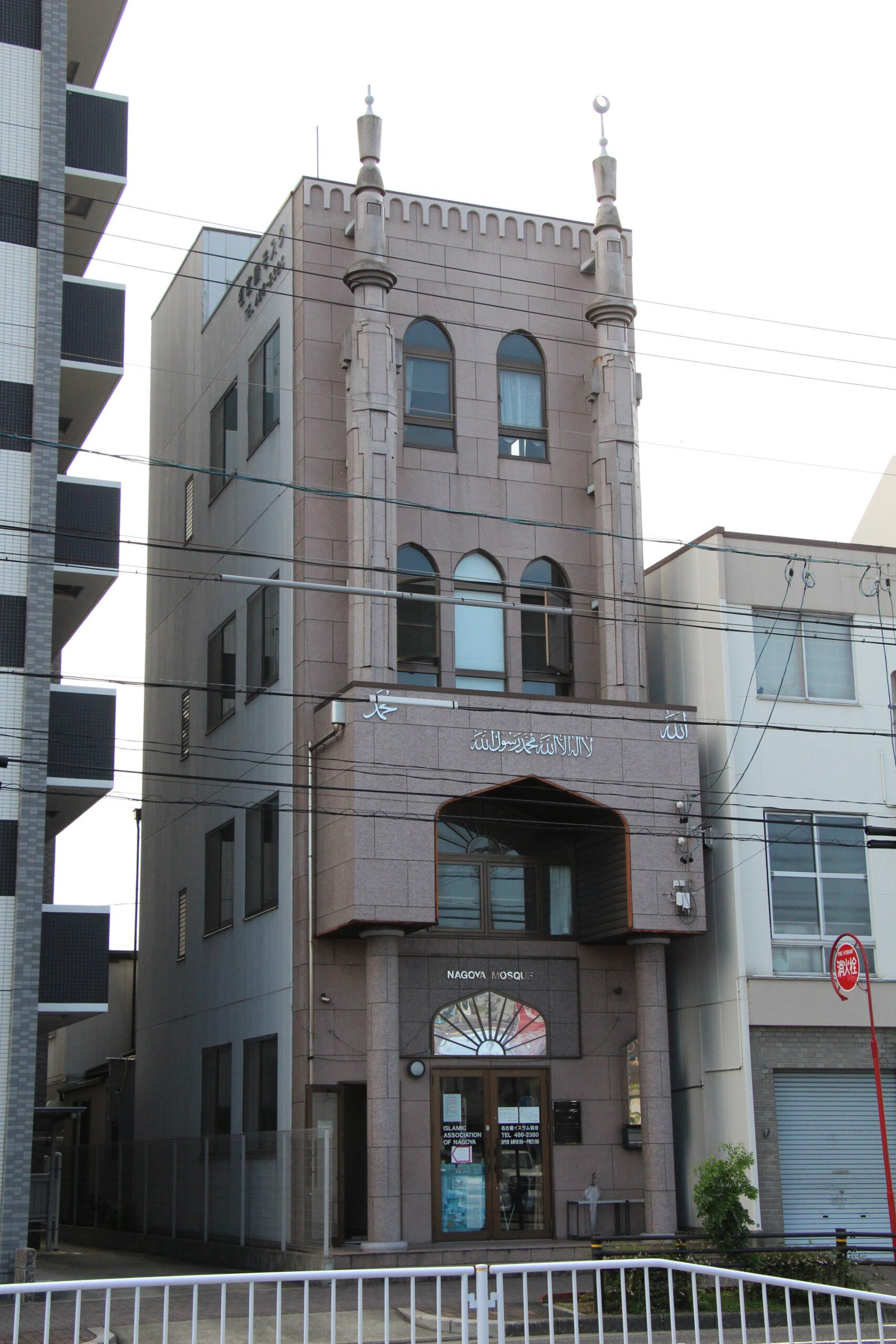
A place of worship serving the Muslim community in Japan’s industrial heartland, the Nagoya Mosque stands in Nakamura ward as a symbol of religious pluralism in the Aichi Prefecture.
At a glance
The Nagoya Mosque is a functioning Islamic place of worship located in Nakamura-ku, a central ward of Nagoya. It serves the local Muslim population and visitors seeking to understand Japan’s diverse religious landscape.
History
The Nagoya Mosque represents the establishment of Islamic religious practice in one of Japan’s major urban centers. Further details about its founding and development are not available in current sources.
What you see
The mosque functions as an active community space for Islamic worship and religious education. Architectural specifics and distinctive design features are not documented in available sources.
Cultural significance
The Nagoya Mosque reflects Japan’s growing religious diversity and the integration of Muslim communities into major metropolitan areas. It represents interfaith coexistence in a nation where Islam remains a minority faith.
Key facts
- Location: Nakamura-ku, Nagoya, Aichi Prefecture, Japan
- Coordinates: 35.1775°N, 136.8711°E
- Primary function: Islamic place of worship and community center
Practical information & getting there
The mosque is situated in Nakamura ward in central Nagoya. As an active religious site, visitors should confirm visiting hours and observe appropriate protocols for entering. Contact information and visitor guidelines should be verified before planning a visit.
Sources & resources
Find it on the map
See this place and what’s around it →📷 Become a Cultural Heritage Online photographer
Share your photos of places: they stay published under your name as the author. The more they're seen, the more you get noticed — and soon a contest will reward the most appreciated photos.
Log in or sign up free to add a photoIs this page about you?
This page is read by travellers and heritage enthusiasts who find it on Google. Tell us how you are connected to this place and we will take it from there.