

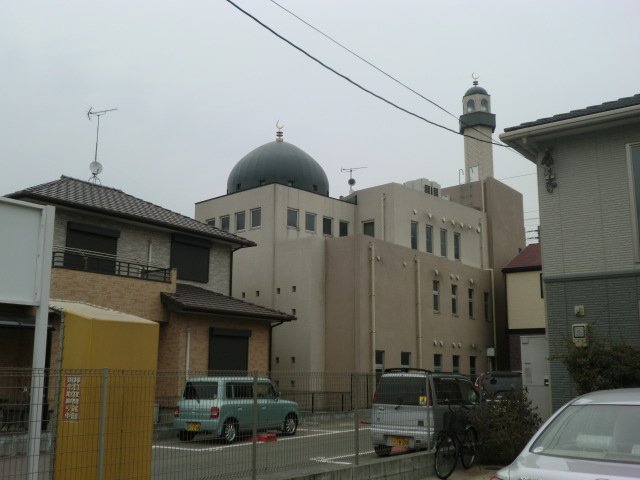
Japan’s first mosque on Kyūshū, serving a growing Muslim community in southwestern Japan.
At a glance
The Fukuoka Masjid Al Nour Islamic Culture Center opened in 2009 in the Hakozaki district, establishing the first permanent mosque on the island of Kyūshū. The facility serves approximately 1,000 Muslims across Fukuoka Prefecture.
History
Opened on 12 April 2009, the Fukuoka Mosque marks a significant milestone in Japan’s religious landscape. Its establishment reflected growing Muslim populations in the region, particularly among immigrant and convert communities seeking dedicated Islamic worship and cultural space.
What you see
The facility functions as both a mosque and Islamic culture center. Designed to serve religious, educational, and community purposes, it provides prayer halls and spaces for Islamic instruction and cultural exchange.
Cultural significance
As Kyūshū’s first mosque, the Fukuoka Mosque represents Japan’s evolving religious pluralism and the integration of Muslim communities into Japanese society. It serves as a vital cultural and spiritual hub for Muslim residents and visitors, facilitating interfaith dialogue and Islamic education in southwestern Japan.
Key facts
- Country: Japan
- City: Fukuoka
- District: Hakozaki, Higashi-ku
- Opened: 12 April 2009
- Coordinates: 33.62°N, 130.427°E
- Serves approximately 1,000 Muslims in Fukuoka Prefecture
Practical information & getting there
The mosque is located in the Hakozaki area of Higashi-ku. Contact the facility directly for prayer times, visiting hours, and information about cultural events open to visitors of all backgrounds.
Sources & resources
Find it on the map
See this place and what’s around it →📷 Become a Cultural Heritage Online photographer
Share your photos of places: they stay published under your name as the author. The more they're seen, the more you get noticed — and soon a contest will reward the most appreciated photos.
Log in or sign up free to add a photoIs this page about you?
This page is read by travellers and heritage enthusiasts who find it on Google. Tell us how you are connected to this place and we will take it from there.