

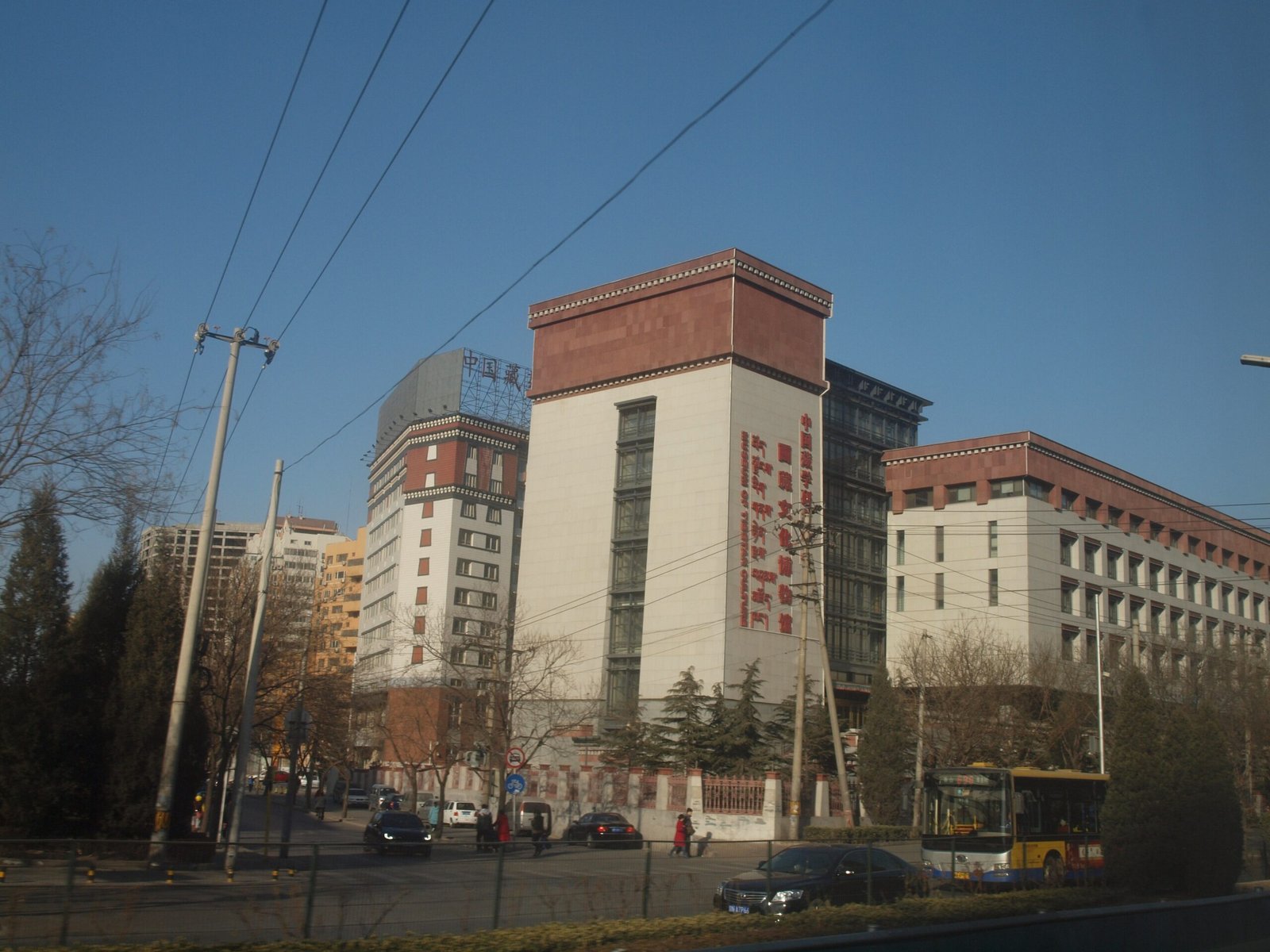
Beijing’s premier institution dedicated to Tibetan heritage, offering comprehensive insights into the political, economic, cultural, and social dimensions of Tibet and Tibetan regions across the Himalayan plateau and beyond.
At a glance
Located adjacent to the North Fourth Ring Road, this state-funded museum stands as Beijing’s sole national-level institution devoted to Tibetan culture. Built with substantial investment from China’s State Council, it combines exhibition spaces with visitor amenities including a Tibetan-style café, bookstore, and gift shop.
History
The Museum of Tibetan Culture was established as part of Beijing’s cultural infrastructure through support from the State Council of China. It operates in association with the China Tibetology Research Center, reflecting the institutional coordination between cultural exhibition and scholarly research on Tibetan studies.
What you see
The museum integrates traditional Tibetan architectural elements into its design, evident in its café and overall aesthetic. Beyond exhibition galleries, the facility includes a performance venue for cultural demonstrations, conference spaces for academic engagement, and a screening room dedicated to films exploring Tibetan themes and narratives.
Cultural significance
As China’s primary national platform for presenting Tibetan culture to domestic and international audiences, the museum serves a dual function: documenting Tibetan heritage and facilitating cross-cultural understanding. Its programming addresses Tibetan politics, economy, history, and contemporary cultural life across multiple Tibetan-inhabited regions.
Key facts
- Country: China
- City: Beijing
- Coordinates: 39.9879°N, 116.4081°E
- Affiliation: China Tibetology Research Center
Practical information & getting there
The museum is situated near Beijing’s North Fourth Ring Road, making it accessible by public transport and private vehicle. Amenities on-site include dining, retail shopping, and cultural programming. Consult current opening hours and admission details through official channels before your visit.
Sources & resources
Find it on the map
See this place and what’s around it →📷 Become a Cultural Heritage Online photographer
Share your photos of places: they stay published under your name as the author. The more they're seen, the more you get noticed — and soon a contest will reward the most appreciated photos.
Log in or sign up free to add a photoIs this page about you?
This page is read by travellers and heritage enthusiasts who find it on Google. Tell us how you are connected to this place and we will take it from there.