
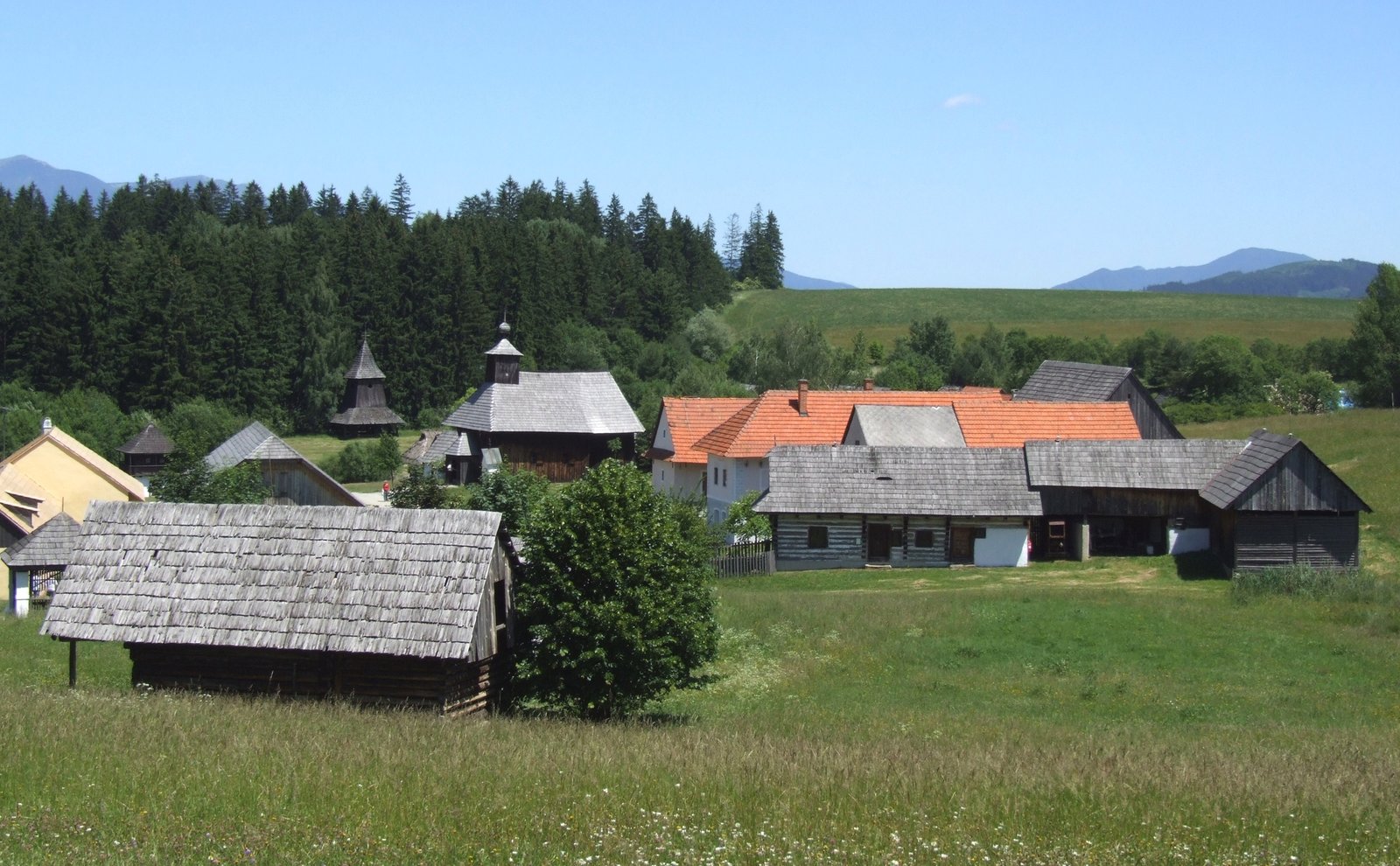
An expansive open-air museum preserving the vernacular architecture and material culture of rural Slovakia through authentic buildings and domestic life.
At a glance
This large open-air institution occupies the outskirts of Martin, a city in northern Slovakia. The museum collects and displays structures representative of Slovak village heritage, offering visitors insight into traditional rural settlement patterns and ways of life.
History
The museum was established to document and preserve the architectural traditions and domestic practices of Slovak villages before industrialization transformed the countryside. By relocating historic buildings to a single site, the institution creates a living archive of regional vernacular culture.
What you see
The museum displays authentic buildings typical of Slovak village settlements. Visitors encounter domestic structures, agricultural buildings, and other period constructions arranged to reflect historical settlement organization. The open-air setting allows examination of construction techniques, materials, and spatial relationships of traditional Slovak communities.
Cultural significance
The Museum of the Slovak Village documents a vanished way of life through material evidence. Its collection preserves knowledge of Slovak vernacular architecture, craft traditions, and rural social organization—resources essential for understanding Central European folk culture and heritage.
Key facts
- Location: Martin, Slovakia
- Type: Open-air museum
- Coordinates: 49.04°N, 18.92°E
Practical information & getting there
The museum is situated on the outskirts of Martin in northern Slovakia. For current opening hours, admission fees, and detailed directions, consult the museum’s official website or contact the institution directly.
Sources & resources
Find it on the map
See this place and what’s around it →📷 Become a Cultural Heritage Online photographer
Share your photos of places: they stay published under your name as the author. The more they're seen, the more you get noticed — and soon a contest will reward the most appreciated photos.
Log in or sign up free to add a photoIs this page about you?
This page is read by travellers and heritage enthusiasts who find it on Google. Tell us how you are connected to this place and we will take it from there.