
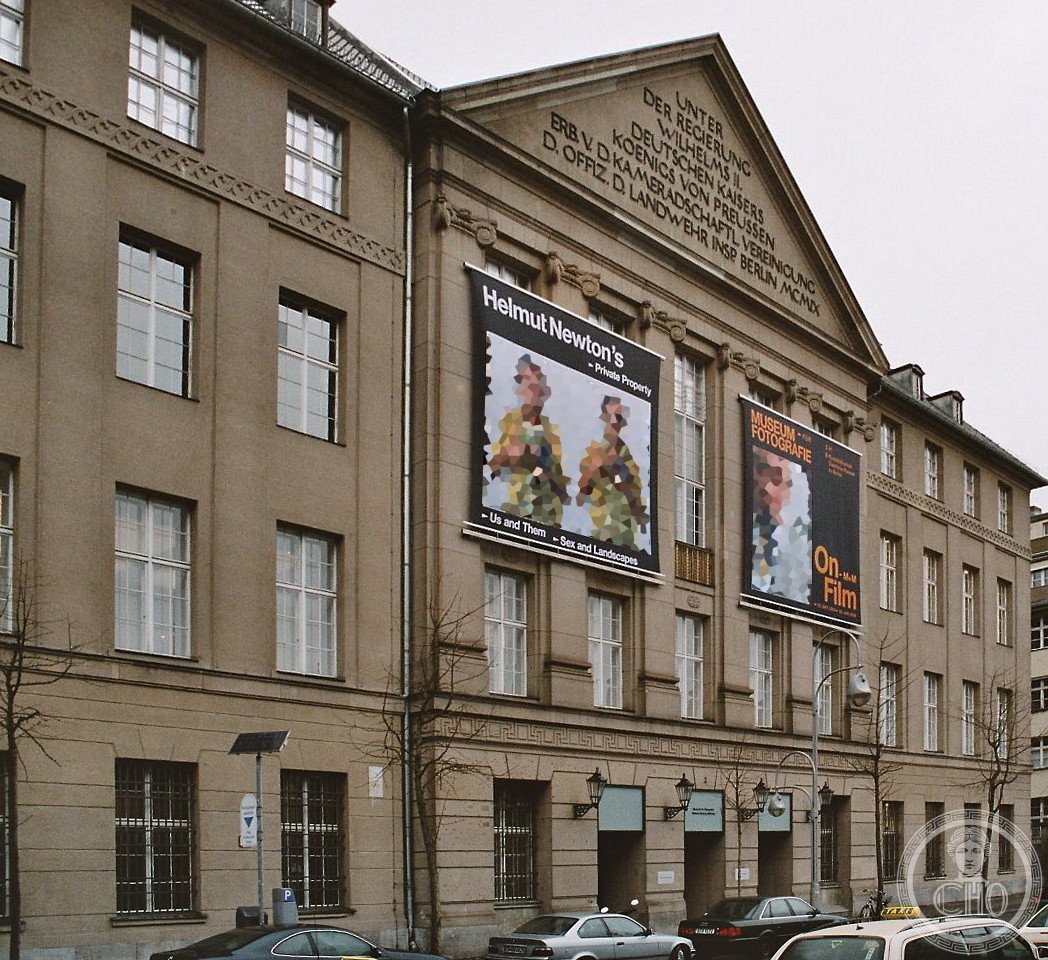
A neoclassical former officers’ club transformed into a major repository for photographic collections, housing exhibitions and archival materials in central Berlin.
At a glance
The Museum of Photography occupies a distinctive neoclassical structure originally built as the officer corps clubhouse of the Berlin militia inspection. The building’s austere exterior belies an opulent interior, featuring lavish banquet halls, dining facilities, and a grand Imperial Hall spanning 665 square metres across the second floor.
History
Designed by Heino Schmieden with construction overseen by Julius Boethke, the officers’ club was inaugurated on September 2, 1909, in the presence of Kaiser Wilhelm II. The building sustained severe damage during World War II. In 1950, the Berlin Senate acquired the heavily damaged structure and adapted it for cultural use by the Art Library. From 1978 to 1986, the Berlin Gallery operated exhibitions within its walls. Following the Art Library’s relocation to the Culture Forum in 1993, the building transitioned to serving as a storage and laboratory facility for the Museum of European Cultures and the Alte Nationalgalerie, until 2004, when it reopened as the Museum für Fotografie, one of the Berlin State Museums. It shares the building with the Helmut Newton Foundation, set up by the Berlin-born photographer shortly before his death in 2004: the foundation’s permanent display, Helmut Newton’s Private Property, fills the lower floors, while the state photographic collections are shown above. The Imperial Hall was restored as an exhibition space between 2008 and 2010.
What you see
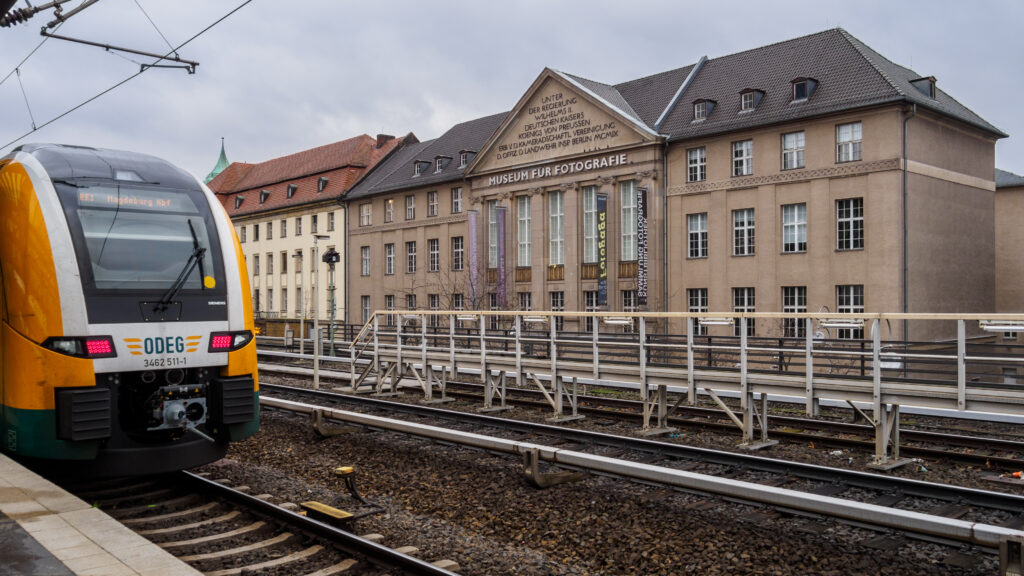
The neoclassical façade presents a restrained design that contrasts sharply with the interior’s grandeur. The Imperial Hall on the second floor remains the building’s most impressive space, its eleven-metre ceiling and expansive floor area designed for ceremonial gatherings. The structure demonstrates the early twentieth-century Berlin tradition of creating imposing institutional buildings with functional yet refined exteriors.
Cultural significance
The Museum of Photography represents the adaptive reuse of a significant Prussian-era civic building. Its transformation from military social centre to cultural repository reflects Berlin’s post-war commitment to preserving architectural heritage while serving contemporary artistic purposes. The building embodies the intersection of institutional memory and photographic practice in modern Berlin.
Key facts
- Address: Jebensstraße 2, 10623 Berlin
- Coordinates: 52.5080991, 13.3323323
- Architects: Heino Schmieden (design), Julius Boethke (construction)
- Inaugurated: September 2, 1909
- Website: berlin.de
- Phone: +49 30 266424242
Practical information
Opening hours and ticket prices change through the year, so we do not republish them here: the current ones are on berlin.de. What does not change is where it is: Jebensstraße 2, 10623 Berlin, at 52.5080991, 13.3323323.
Getting there
The museum is located on Jebensstraße, beside Zoologischer Garten station, in the Charlottenburg district of Berlin. Use the website or contact the museum directly for transport information and accessibility details.
See the place
Sources & resources
Gallery
Find it on the map
See this place and what’s around it →Historical events at this place (1)
📷 Become a Cultural Heritage Online photographer
Share your photos of places: they stay published under your name as the author. The more they're seen, the more you get noticed — and soon a contest will reward the most appreciated photos.
Log in or sign up free to add a photoIs this page about you?
This page is read by travellers and heritage enthusiasts who find it on Google. Tell us how you are connected to this place and we will take it from there.