
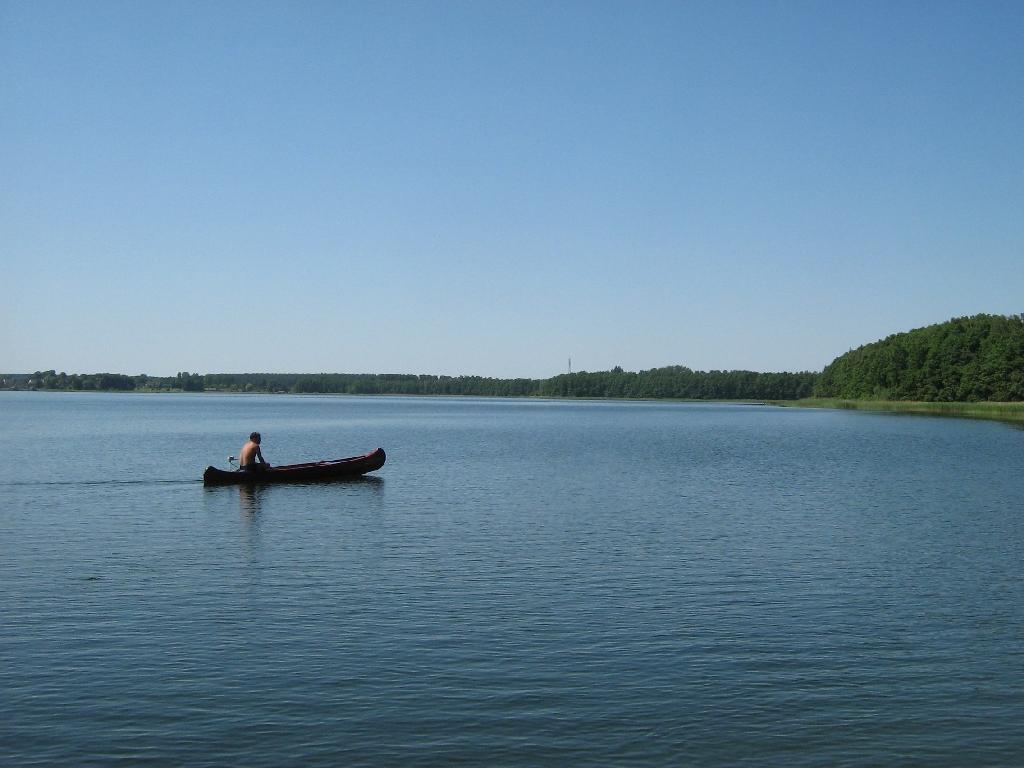
A vast lakeland wilderness in northeastern Germany, where ancient beech forests preserve the ecological memory of Europe since the Ice Age.
At a glance
Müritz National Park spans 318 square kilometres across the Müritzlake region in the district of Mecklenburgische Seenplatte. Positioned midway between Berlin and Rostock, it represents one of Germany’s significant protected landscapes, centred on the natural heritage of glacial lakeland and forest ecosystems.
History
The national park was established in 1990, following German reunification and the growing recognition of environmental conservation across the newly unified nation. Its creation safeguarded extensive portions of the Müritz lakeland from development and resource extraction.
What you see
The landscape is dominated by beech forests interspersed with lakes formed during the Last Glacial Period. Visitors encounter a patchwork of woodland, water, and meadow typical of northern European glacial terrain, offering both ecological and aesthetic experiences.
Cultural significance
The beech forests hold UNESCO World Heritage status as part of the Primeval Beech Forests of Europe designation, inscribed in 2011. These woodlands testify to Europe’s ecological history and represent some of the continent’s least disturbed forest ecosystems, offering invaluable scientific evidence of post-glacial forest development.
Key facts
- Country: Germany
- Region: Mecklenburg-Vorpommern
- Area: 318 km²
- Founded: 1990
- Coordinates: 53.43944444, 12.83666667
- UNESCO World Heritage: Beech forests (2011)
Practical information & getting there
The Müritzeum visitor centre, located near the city of Waren, provides comprehensive information about the national park’s ecology, history, and access points. Waren is the primary gateway for visitors exploring the park.
Sources & resources
Find it on the map
See this place and what’s around it →📷 Become a Cultural Heritage Online photographer
Share your photos of places: they stay published under your name as the author. The more they're seen, the more you get noticed — and soon a contest will reward the most appreciated photos.
Log in or sign up free to add a photo