
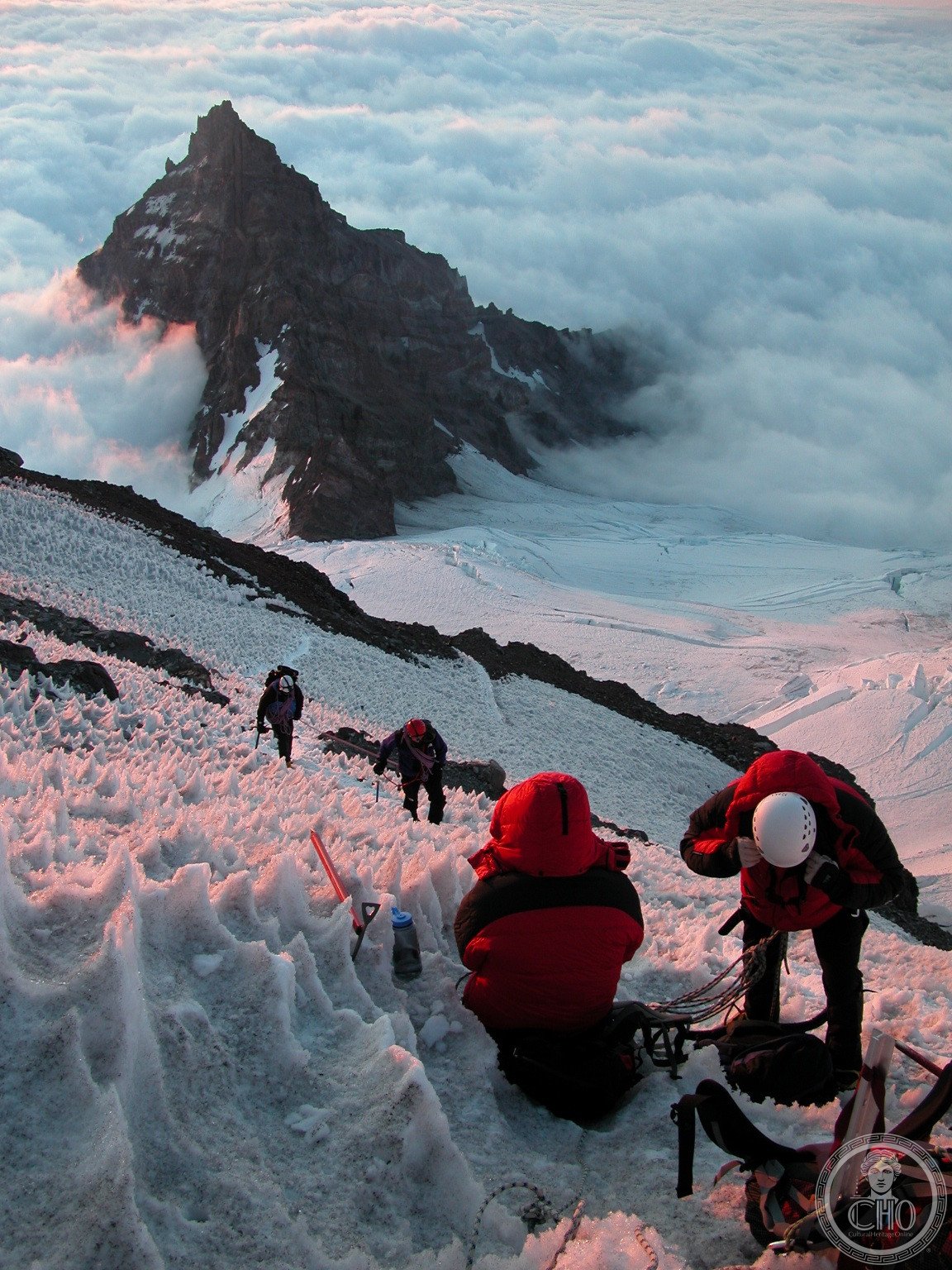
In the shadow of Mont-Blanc, Chamonix preserves the art and philosophy of mountaineering—a discipline that blends technical skill, environmental stewardship, and deep communion with high peaks.
At a glance
Alpinism encompasses the set of outdoor activities involved in ascending mountains, from traditional climbing and skiing to traversing via ferratas. Unlike most sports, mountaineering operates without formal universal rules; instead, climbers adhere to varied techniques, philosophies, and grading systems passed down through generations and codified in guidebooks. Alpine clubs worldwide—and the International Climbing and Mountaineering Federation (UIAA), recognized by the International Olympic Committee—sustain this living tradition through resources, mentorship, and community.
Origins and history
Mountaineering emerged as both survival practice and philosophical pursuit in the Alpine regions of Europe, where communities developed intimate knowledge of peaks, passes, and seasonal conditions. Chamonix, nestled beneath Europe’s highest mountain, became the birthplace of modern alpinism in the 18th and 19th centuries, when guides first systematized routes and techniques. The town’s alpine clubs formalized training and ethics that remain foundational to the discipline today.
The tradition today
Contemporary alpinism blends historical methods with modern safety practices. Climbers continue to learn through mentorship within local clubs, study guidebooks that encode decades of collective wisdom, and respect a code of environmental and social responsibility. In Chamonix, guides still lead expeditions on routes established centuries ago, while newer variants—sport climbing and bouldering—attract younger practitioners to the broader mountaineering family. The tradition adapts without abandoning its core values of respect for the mountain and community stewardship.
Cultural significance
Alpinism shapes how communities relate to their landscape and to one another. Mountaineering transforms local economies from agriculture to mountain tourism and services, bringing both prosperity and cultural change. For practitioners and mountain communities alike, the discipline fosters worldviews centered on environmental awareness, resilience, and the humility required when facing natural forces far greater than oneself. This philosophical dimension—the respect for peaks and for the people who inhabit and guide in mountain zones—distinguishes alpinism from mere sport.
Key facts
- Country: France
- Anchor community: Chamonix
- UNESCO listing: Alpinism, Representative List of the Intangible Cultural Heritage of Humanity
- Governing body: International Climbing and Mountaineering Federation (UIAA), recognized by the International Olympic Committee
- Core philosophy: Mountaineering operates through varied techniques and philosophies rather than universal formal rules
Where to experience it
Chamonix remains the epicenter of alpine culture. Visit the town’s historic alpine clubs, hire certified mountain guides, and walk streets where the discipline was born. The Chamonix Mont-Blanc tourism office can connect you with outfitters, guidebooks, and climbing courses suited to your experience level. Whether you climb or simply observe the tradition in action, you’ll witness a living heritage that has shaped how humans engage with mountains for over two centuries.
Sources & resources
Find it on the map
See this place and what’s around it →📷 Become a Cultural Heritage Online photographer
Share your photos of places: they stay published under your name as the author. The more they're seen, the more you get noticed — and soon a contest will reward the most appreciated photos.
Log in or sign up free to add a photo