
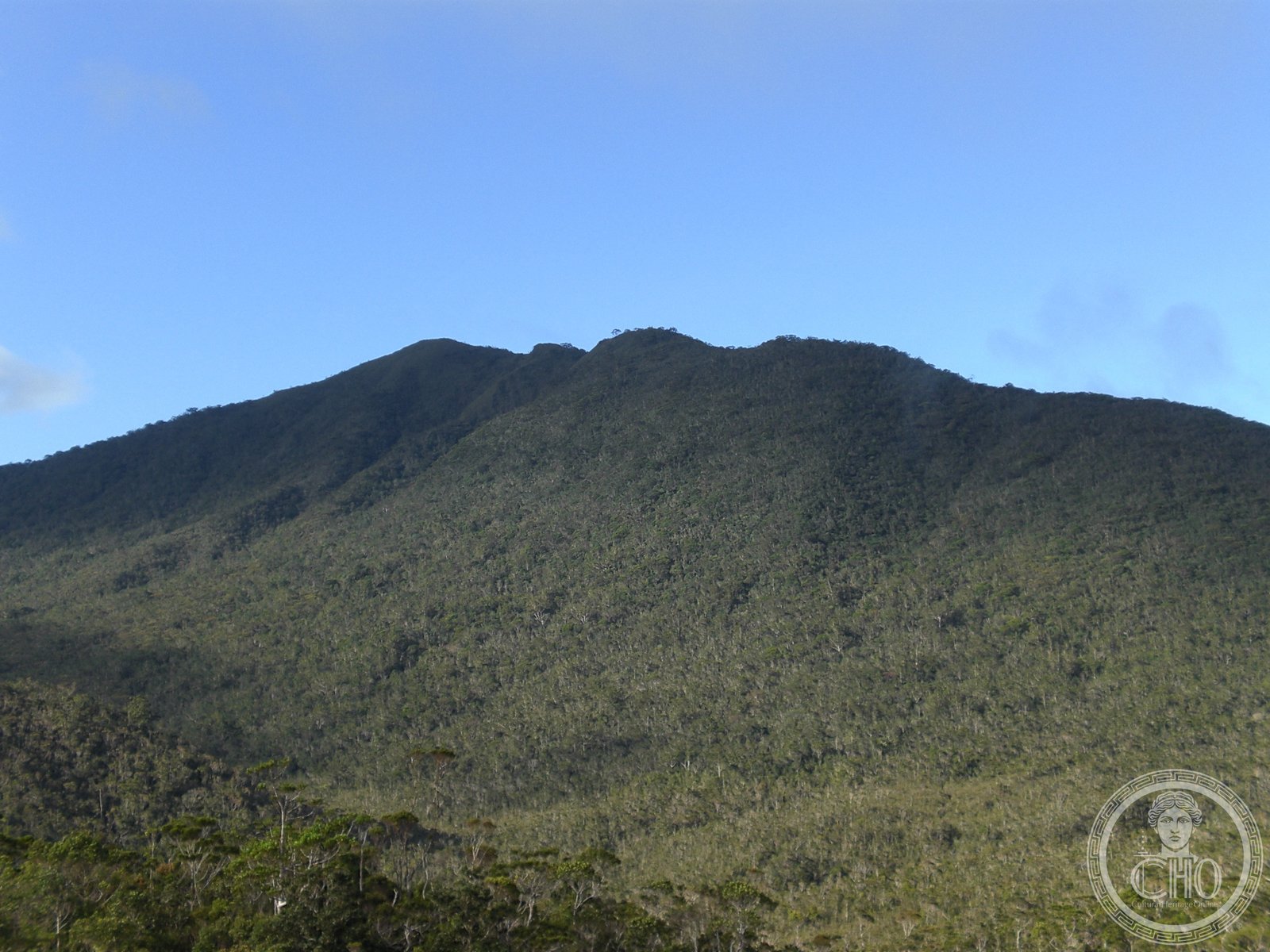
A biodiversity hotspot in the Philippines, Mount Hamiguitan harbours some of the country’s rarest plant and animal species within a unique pygmy forest ecosystem designated as a UNESCO World Heritage Site.
At a glance
Mount Hamiguitan rises to 1,620 metres in Davao Oriental province. The mountain and its surroundings support exceptionally diverse wildlife, including Philippine eagles and several endemic species of carnivorous plants. A protected forest area of approximately 2,000 hectares preserves this fragile ecosystem.
History
The Mount Hamiguitan range, comprising 6,834 hectares, was designated a national park and wildlife sanctuary in 2003. In 2014, it achieved UNESCO World Heritage Site status—the first such designation in Mindanao and the sixth across the Philippines. This recognition acknowledged the mountain’s exceptional conservation value.
What you see
The mountain’s most distinctive feature is its pygmy forest, where century-old trees grow in unusual ultramafic soil at stunted heights. This botanical phenomenon shelters numerous endangered and rare species found nowhere else. Nepenthes peltata and Nepenthes micramphora, carnivorous pitcher plants, are endemic to the area. Philippine eagles soar above the canopy.
Cultural significance
Mount Hamiguitan forms part of the Eastern Mindanao Biodiversity Corridor, a critical conservation network. Its protection represents collaborative effort among provincial authorities, national environmental agencies, local communities, and indigenous peoples. The mountain exemplifies modern transdisciplinary conservation practice in the Philippines.
Key facts
- Height: 1,620 metres (5,315 feet)
- Protected area: 6,834 hectares
- Location: Davao Oriental, Philippines
- Coordinates: 6.74°N, 126.18°E
- UNESCO World Heritage Site: inscribed 2014
- National park and wildlife sanctuary: established 2003
Practical information & getting there
Mount Hamiguitan is located in Davao Oriental province in Mindanao. Access details and visitor facilities are best confirmed through the local provincial government office or the Department of Environment and Natural Resources.
Sources & resources
Find it on the map
See this place and what’s around it →📷 Become a Cultural Heritage Online photographer
Share your photos of places: they stay published under your name as the author. The more they're seen, the more you get noticed — and soon a contest will reward the most appreciated photos.
Log in or sign up free to add a photo