
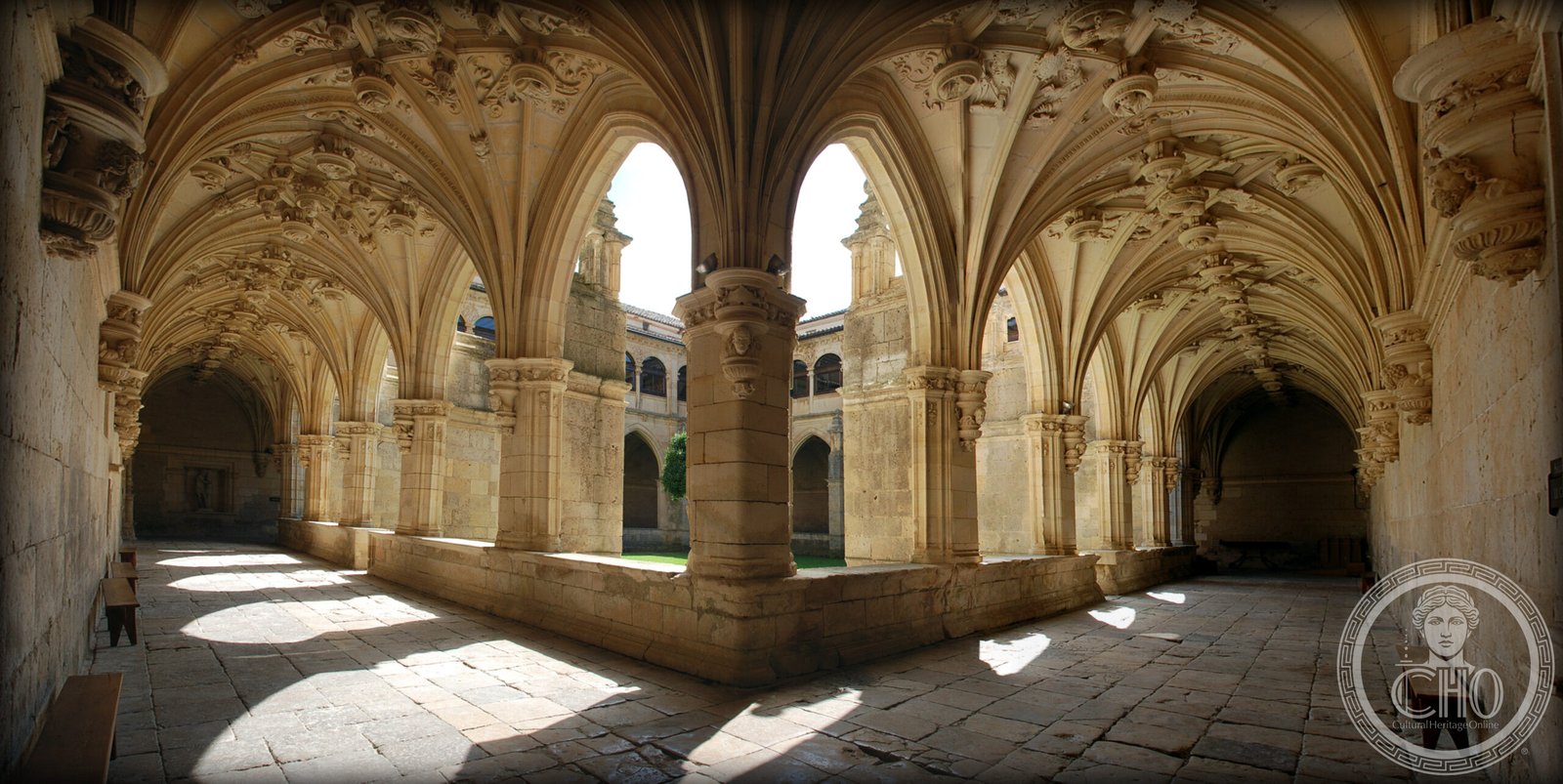
A Benedictine monastery spanning a thousand years of Spanish religious life, now adapted as a luxury hotel on the banks of the Carrión river.
At a glance
The Monastery of San Zoilo stands on the Carrión riverbank in the Castilian town of Carrión de los Condes. Founded in the 10th century as a Benedictine house, it remained active through the 19th century before its conversion to contemporary use. The complex preserves centuries of monastic architecture and devotional practice.
History
San Zoilo emerged as a Benedictine monastery during the early medieval period, taking root in 10th-century Spain. The community persisted across nine centuries of religious and political upheaval—from Romanesque Spain through the Counter-Reformation and beyond. By the 19th century, monastic life at San Zoilo had ended. Rather than fall into ruin, the complex found new purpose as a luxury hotel, preserving its structures while adapting to modern hospitality.
What you see
The monastery retains the physical fabric of its long history. Guests and visitors encounter monastic buildings and spaces designed for contemplative life—cloisters, cells, chapter houses, and a church—now integrated into a hotel setting. The riverine location and Castilian landscape frame the ensemble.
Cultural significance
San Zoilo embodies the Benedictine heritage of medieval and early modern Spain. Monasteries like this served as centers of learning, spiritual discipline, and community welfare for centuries. The transition from monastic to secular use reflects changing attitudes toward religious institutions in European culture.
Key facts
- Country: Spain
- Town: Carrión de los Condes
- Coordinates: 42.3403, -4.6111
- Religious order: Benedictine
- Period of operation: 10th–19th centuries
- Current use: Luxury hotel
Practical information & getting there
San Zoilo is located in Carrión de los Condes, a town in the province of Palencia in Castile and León. The monastery sits on the Carrión river. As it now operates as a hotel, visitors may explore the grounds and structures as guests or via organized visits. Check current opening hours and access policies before traveling.
Sources & resources
Find it on the map
See this place and what’s around it →📷 Become a Cultural Heritage Online photographer
Share your photos of places: they stay published under your name as the author. The more they're seen, the more you get noticed — and soon a contest will reward the most appreciated photos.
Log in or sign up free to add a photoIs this page about you?
This page is read by travellers and heritage enthusiasts who find it on Google. Tell us how you are connected to this place and we will take it from there.