

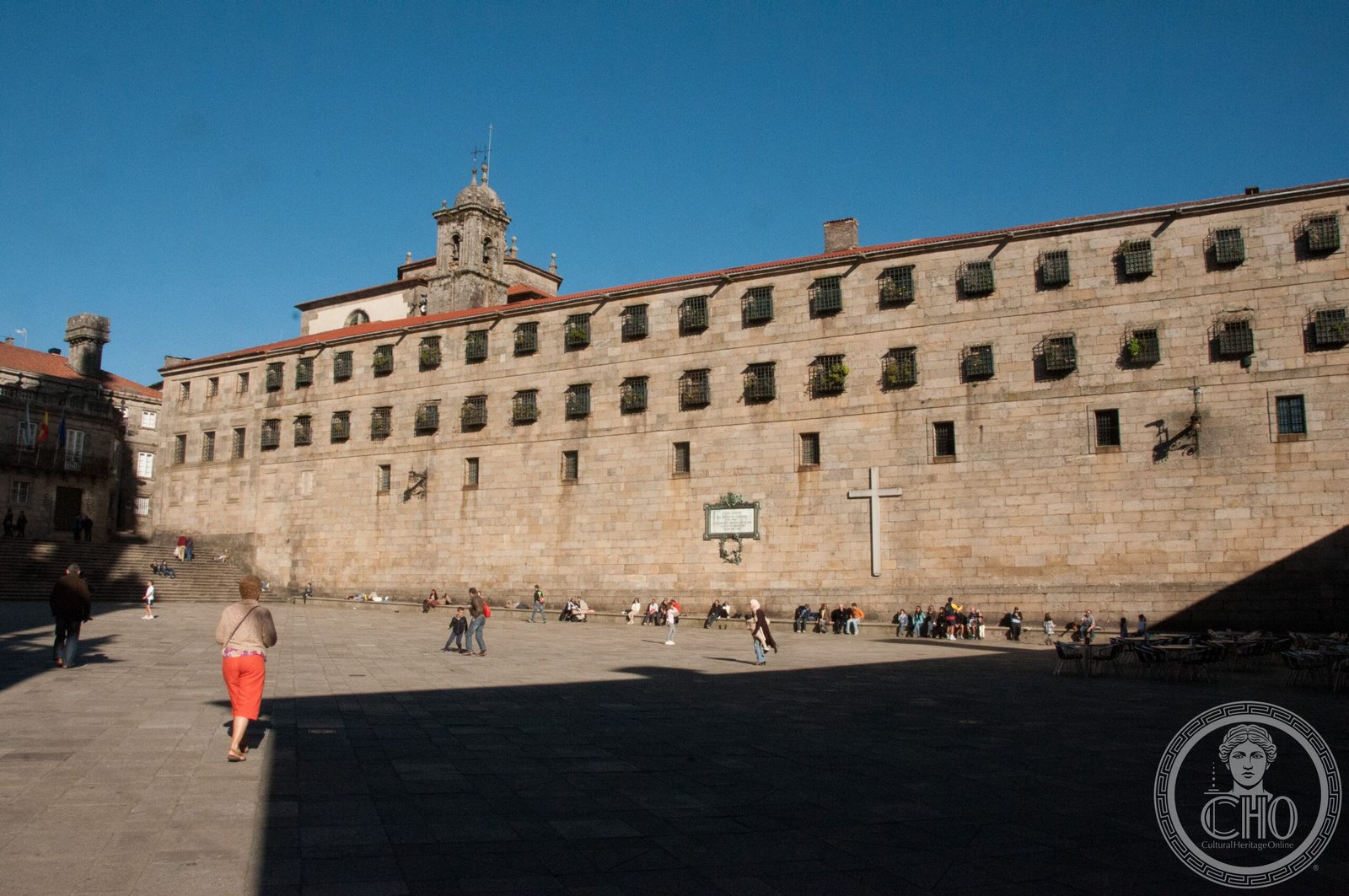
A monastery in Santiago de Compostela, Galicia, dedicated to Saint Pelagius and situated near the city’s famous cathedral.
At a glance
The Monastery of Saint Pelagius of Antealtares stands in Santiago de Compostela, one of Spain’s most significant pilgrimage destinations. Known locally in Galician as Mosteiro de San Paio de Antealtares, it represents an important element of the religious architecture in this historic city.
History
The monastery’s origins and development are rooted in Santiago de Compostela’s identity as a pilgrimage center. The name “Antealtares”—meaning “before the altars”—reflects its historical position within the city’s sacred geography.
What you see
Information about the architectural style and specific features of the monastery is limited in available sources. Visitors are encouraged to explore the structure and its place within Santiago de Compostela’s medieval urban layout.
Cultural significance
The monastery contributes to Santiago de Compostela’s designation as a UNESCO World Heritage Site. Its presence underscores the city’s centuries-long role as a destination for the Way of Saint James pilgrimage.
Key facts
- Country: Spain
- City: Santiago de Compostela, Galicia
- Coordinates: 42.8806, -8.5431
- Galician name: Mosteiro de San Paio de Antealtares
Practical information & getting there
The monastery is located in Santiago de Compostela’s historic center. For current opening hours, admission details, and guided visits, consult local tourism information or the Santiago de Compostela city website.
Sources & resources
Find it on the map
See this place and what’s around it →📷 Become a Cultural Heritage Online photographer
Share your photos of places: they stay published under your name as the author. The more they're seen, the more you get noticed — and soon a contest will reward the most appreciated photos.
Log in or sign up free to add a photoIs this page about you?
This page is read by travellers and heritage enthusiasts who find it on Google. Tell us how you are connected to this place and we will take it from there.