

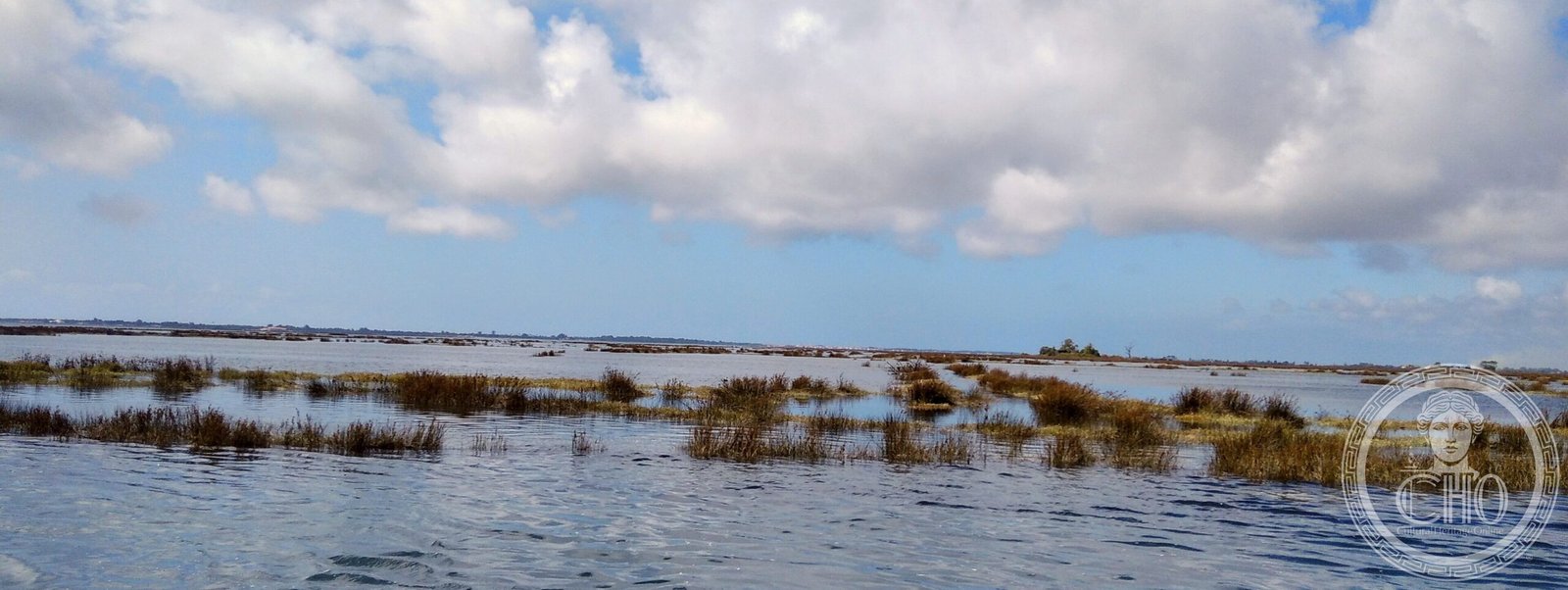
In the shallow lagoon waters of Aveiro, fishermen have harvested aquatic vegetation for centuries aboard distinctive painted sailboats, sustaining both an ancient agricultural practice and a remarkable tradition of maritime craft.
At a glance
Moliço is the submerged aquatic vegetation collected from the Ria de Aveiro lagoon and used as fertiliser and animal bedding in Portuguese agriculture. The word comes from the Portuguese mole, meaning “soft”—a reference to the delicate nature of the harvested seaweed. Specialised shallow-draft sailing vessels called moliceiros transport the harvest to farms across the region, their colourful hulls and distinctive design marking them as icons of Aveiro’s maritime heritage.
Origins and history
The practice of harvesting moliço from Ria de Aveiro’s brackish waters reaches back generations, rooted in the lagoon’s unique ecology and the region’s agricultural needs. The moliceiro boats themselves represent an evolved form of naval carpentry, developed specifically to navigate the shallow, sediment-rich waters of the lagoon while efficiently collecting and transporting the vegetation. This convergence of environmental adaptation and practical innovation created a distinct occupational culture tied inseparably to Aveiro.
The tradition today
Contemporary moliço harvesting remains active, though in smaller scale than in earlier decades. The moliceiro fleet continues to operate seasonally, with experienced harvesters using long rakes and traditional techniques to gather the vegetation from the lagoon floor. The boats themselves are maintained or reconstructed by specialist shipwrights who preserve the naval carpentry techniques—the curved hulls, proportions, and materials that make each vessel suited to its environment. Aveiro’s moliceiro boats are now as valued as floating heritage as they are as working vessels.
Cultural significance
Moliço harvesting embodies the interdependence of community, landscape, and livelihood in coastal Portugal. The practice demonstrates sustainable resource use, where a renewable natural product supports local agriculture without depleting the lagoon’s ecology. The moliceiro boats themselves have become symbols of Aveiro’s identity, celebrated in local culture and recognised internationally as masterworks of adaptive maritime design. UNESCO’s recognition of the moliceiro boat tradition acknowledges both the craft and the knowledge systems it carries.
Key facts
- Country: Portugal
- Anchor community: Aveiro
- UNESCO Intangible Cultural Heritage: Moliceiro boat: naval carpentry art of the Aveiro region (Representative List)
- Resource: Submerged aquatic vegetation from Ria de Aveiro lagoon
- Etymology: From Portuguese mole (soft), derived from Latin mollis
Where to experience it
Aveiro’s waterfront and canals offer views of moliço boats year-round. Visit during harvest season (typically spring and summer) for the best chance to observe active collection and transport. The city’s maritime museums and local boatbuilders’ workshops provide context and craftsmanship; speak with tourism offices about guided visits or harvest observations.
Sources & resources
Find it on the map
See this place and what’s around it →📷 Become a Cultural Heritage Online photographer
Share your photos of places: they stay published under your name as the author. The more they're seen, the more you get noticed — and soon a contest will reward the most appreciated photos.
Log in or sign up free to add a photo